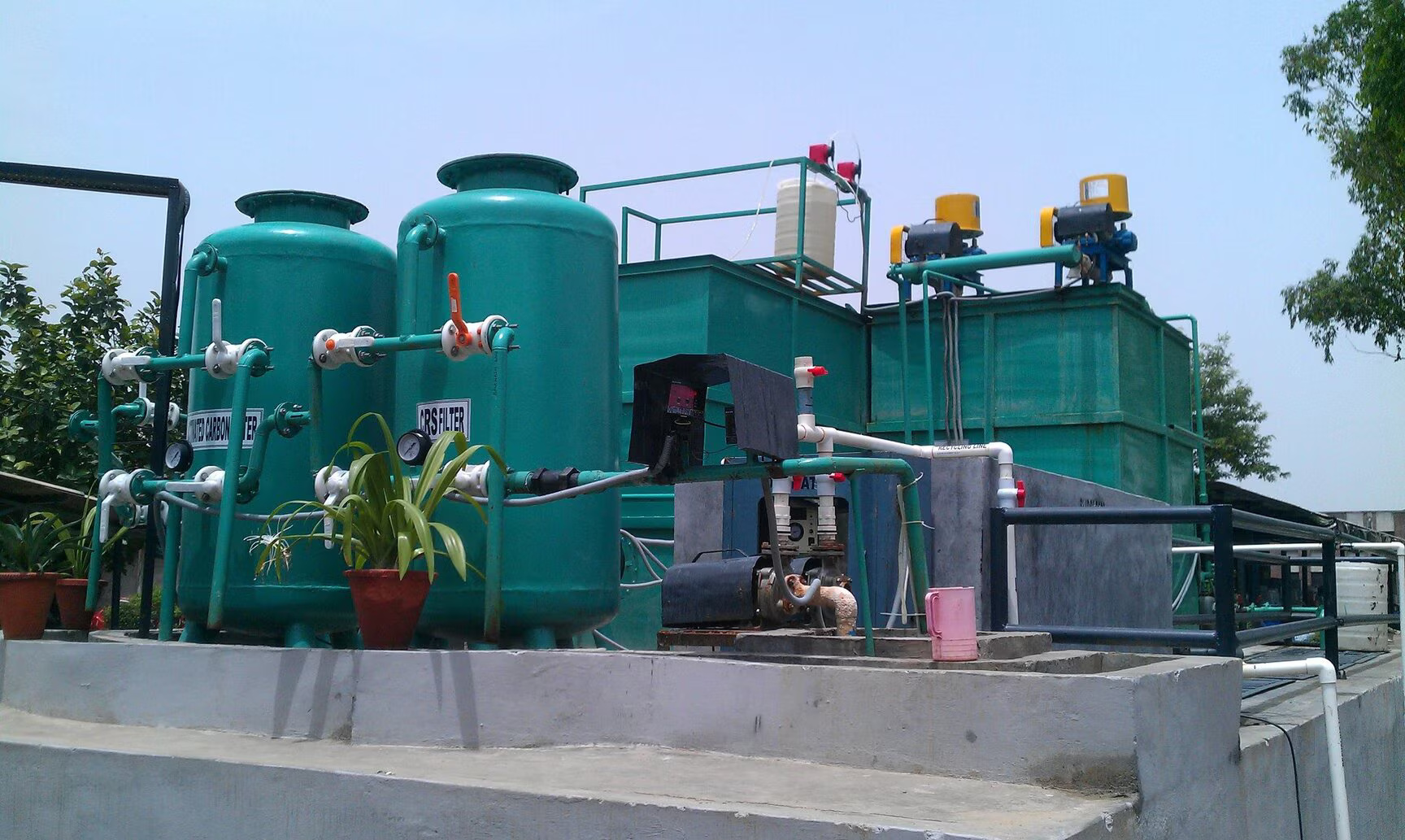
Delhi Decentralized STP Project Targets Water Reuse
The New Delhi civic administration is moving to expand water reuse infrastructure with plans to install a network of decentralized treatment facilities aimed at reducing dependence on potable water for urban landscaping. The proposed decentralized STP project will see eight small-scale sewage treatment plants developed across key public spaces, reflecting a shift towards sustainable water management in the capital’s core administrative district. Officials indicate that these facilities, each with a modest treatment capacity, will be strategically located near parks, gardens and water bodies. The treated water is expected to be channeled for horticulture, maintenance of public greens, and replenishment of ornamental water features. In a city where freshwater resources are under increasing pressure, such reuse systems are emerging as a critical component of climate-resilient urban planning.
The decentralized STP project is being structured under a public-private partnership model, with private developers responsible not only for construction but also for long-term operation and maintenance. This approach reflects a broader policy trend of leveraging private sector expertise in urban infrastructure delivery while ensuring performance accountability over extended concession periods. Urban planners note that decentralized systems offer several advantages over large, centralized treatment plants. By treating wastewater close to its source, these systems reduce the need for extensive pipeline networks, lower energy consumption, and minimize transmission losses. They also enable quicker deployment in dense urban areas where land constraints often limit large-scale infrastructure expansion. From an economic standpoint, the project introduces a competitive bidding mechanism based on the cost of treated water, encouraging efficiency in both design and operation.
Industry experts suggest that this model could set a precedent for future water reuse projects, particularly in cities facing similar constraints on freshwater availability and rising demand from urban landscaping and non-potable uses. The initiative also aligns with broader efforts to protect and expand urban green cover. Public parks and landscaped avenues require substantial water inputs, and shifting to treated wastewater can significantly reduce the burden on municipal water supplies. This is particularly relevant in high-density zones with a large floating population, where demand for water often exceeds local supply capacity. However, successful implementation will depend on consistent monitoring of water quality, public acceptance of reuse practices, and integration with existing drainage and sewer networks. Experts highlight the importance of maintaining stringent treatment standards to ensure that reused water does not pose environmental or health risks.
As the bidding process moves forward, the decentralized STP project is expected to play a key role in shaping how Delhi approaches water sustainability in its urban core. If executed effectively, it could offer a scalable model for other Indian cities seeking to balance infrastructure growth with resource conservation and environmental resilience.