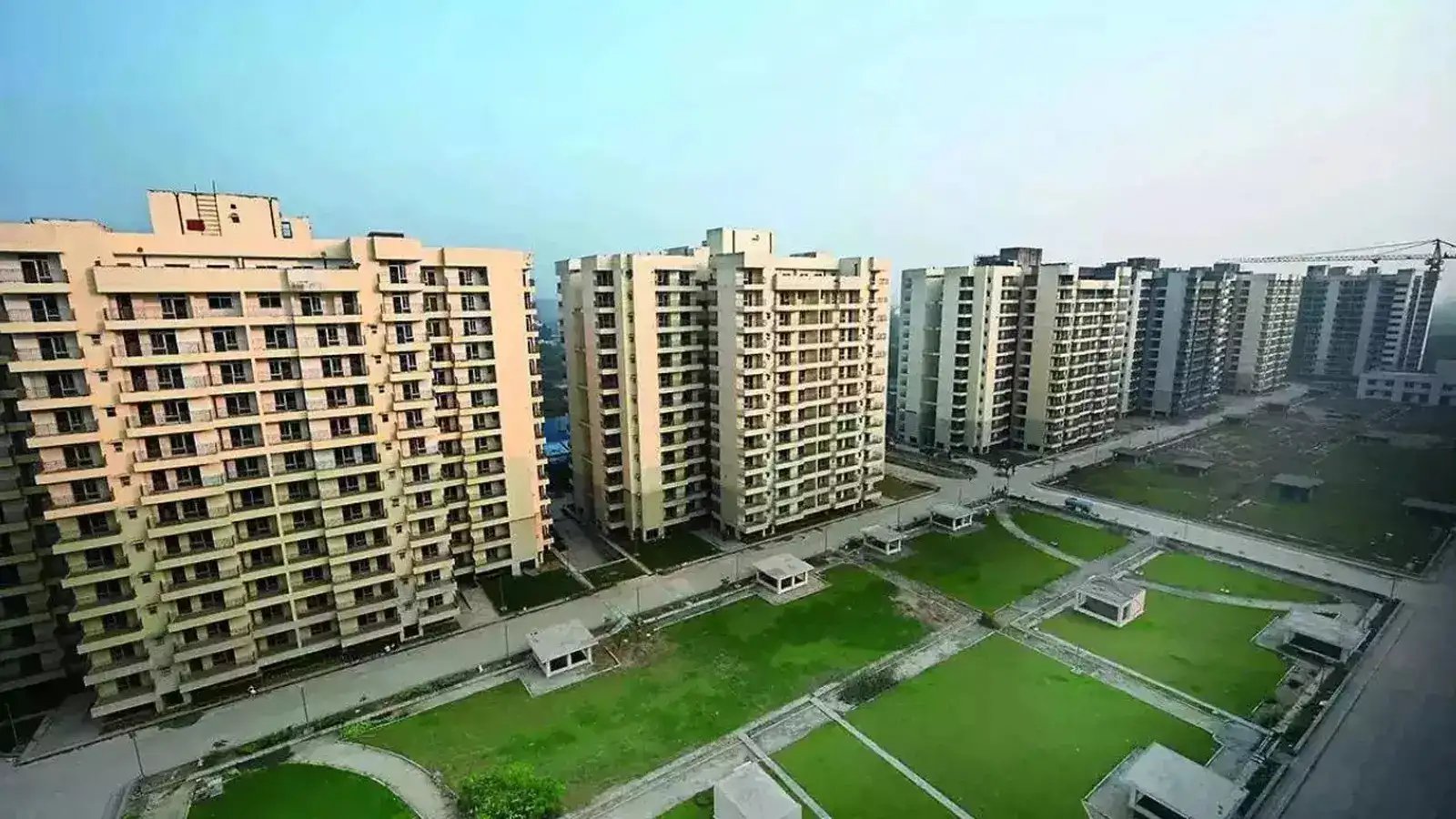
Delhi’s latest public housing initiative has recorded a strong early response, with hundreds of flats booked shortly after the launch of the new Delhi DDA Housing Scheme, highlighting sustained demand for affordable homes in the capital. Most of the early bookings have been concentrated in northern parts of the city, where a large inventory of ready-built apartments is currently available. The Delhi DDA Housing Scheme offers completed residential units across different income categories, with a significant number located in Narela, a neighbourhood that has been positioned as an emerging affordable housing destination. Real estate analysts say the quick uptake reflects a combination of relatively lower pricing and the appeal of government-backed housing, particularly for buyers seeking secure ownership in an uncertain property market.
Officials associated with the programme note that ready-to-move-in units often generate higher interest than under-construction properties because buyers can avoid construction delays and immediate rental expenses. For first-time homebuyers and middle-income families, this factor can significantly influence purchase decisions. The Delhi DDA Housing Scheme also continues a pattern seen in previous public housing launches, where early bookings tend to be driven by budget-conscious buyers who find public sector housing more accessible than private developments. Compared with market-priced apartments across many parts of Delhi, government-built housing projects often offer more affordable entry points for ownership. However, property consultants caution that long-term demand in Narela will depend heavily on improvements in connectivity and urban infrastructure. The locality lies on the northern edge of the capital and remains relatively distant from major employment centres in central and southern Delhi. Limited transit links and longer commute times continue to influence purchasing decisions for many potential buyers.
Urban planners suggest that sustained investment in transport infrastructure could gradually change the residential dynamics of the area. Metro expansion, road connectivity upgrades and better integration with regional transport networks are often cited as key factors that could improve Narela’s attractiveness as a housing destination. For the Delhi Development Authority, the housing scheme is also part of a broader effort to manage and reduce unsold residential inventory accumulated over several years. Authorities have experimented with pricing incentives, discounts and flexible payment structures in recent housing programmes to improve sales performance and ensure better occupancy in existing housing stock. Industry observers say these measures indicate a more structured approach toward balancing supply and demand in the capital’s public housing segment. By gradually absorbing unsold units while launching new schemes across income categories, the agency aims to support wider access to homeownership in a city where private housing prices remain beyond the reach of many households.
The Delhi DDA Housing Scheme therefore represents both a market test and a policy instrument—one that reflects the continuing need for affordable urban housing as Delhi’s population expands. If supported by stronger infrastructure connectivity and neighbourhood development, emerging residential zones like Narela could play a larger role in the capital’s future housing supply