


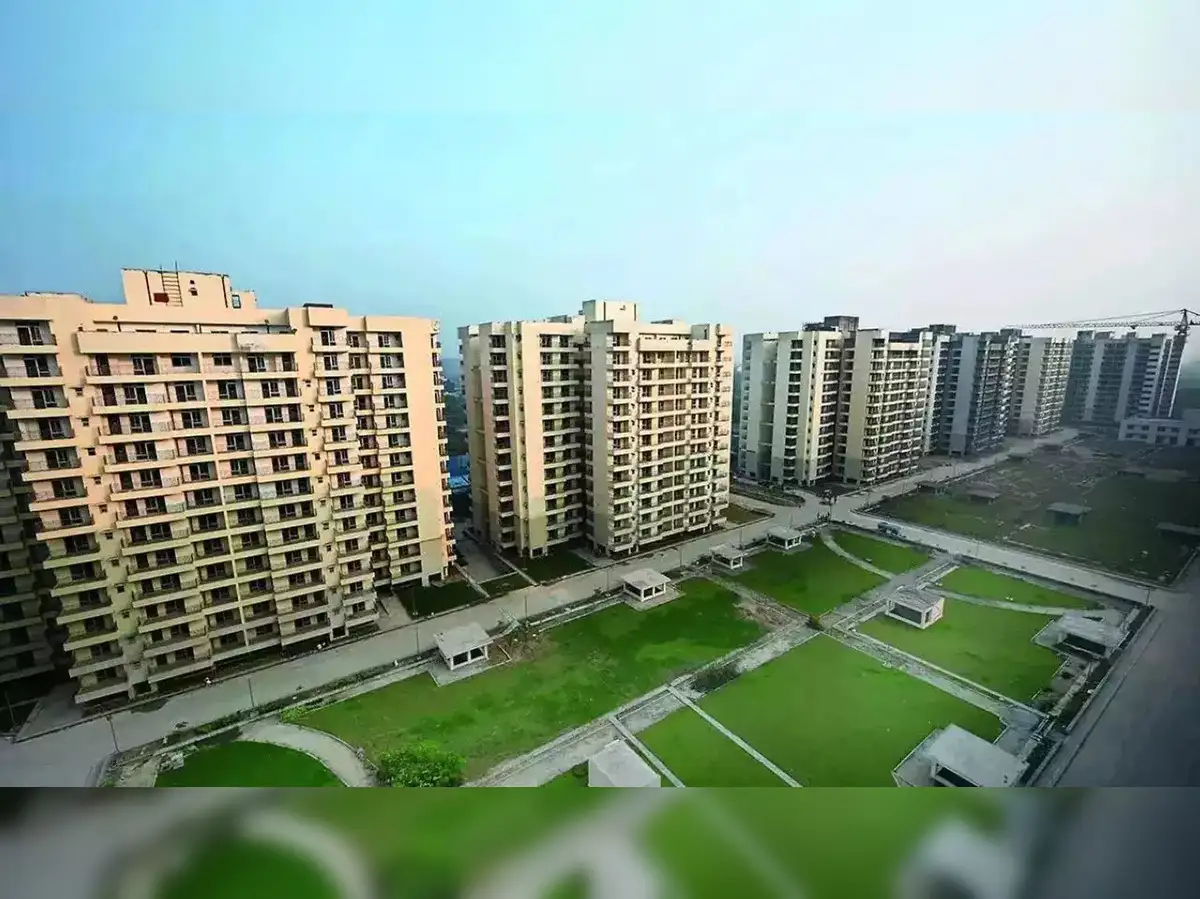
Delhi’s public housing strategy took a significant step forward this week as the city’s development authority opened the second tranche of homes under its flagship high-rise residential project at Karkardooma in East Delhi. The latest phase adds several hundred premium apartments within a transit-integrated urban hub, reinforcing the capital’s push towards compact, infrastructure-led growth rather than outward sprawl.
The new offering forms part of a larger mixed-use district planned around one of East Delhi’s busiest metro interchanges. Urban planners see this expansion as a test case for how publicly developed housing can align with the principles of Transit-Oriented Development (TOD), a planning model aimed at reducing car dependency while improving access to jobs, services, and mass transport. Under the current phase, more than 700 residential units have been opened for individual buyers through a digital, first-come allocation system, while a separate pool has been reserved for institutional allotment to government bodies. Officials involved in the project say the staggered release is designed to balance retail demand with workforce housing needs for public institutions operating across the National Capital Region. Pricing for the homes positions them firmly within Delhi’s premium segment, reflecting both their vertical scale and strategic location. However, unlike speculative private developments, the payment structure requires buyers to pay only a portion of the total cost upfront, as construction nears completion. Industry analysts note that this reduces buyer risk while improving transparency in public-sector housing delivery.
What distinguishes the project is not merely its height the residential tower is among the tallest in the capital but its integration with transport and civic infrastructure. The wider district is planned as a dense urban node combining housing, commercial activity, and public amenities within walking distance of rapid transit. Connectivity to multiple metro lines, national highways, and regional transport terminals makes it one of the most accessible residential clusters in East Delhi. Urban economists argue that such projects are critical as Delhi confronts land scarcity, rising housing demand, and climate stress. High-density, transit-linked housing reduces pressure on peripheral greenfield areas and can lower per-capita carbon emissions by shortening daily commutes. The challenge, they add, lies in ensuring that future phases also accommodate diverse income groups and not just the upper end of the market. The first phase of the project, launched last year, saw demand exceed available inventory, signalling appetite for well-located, publicly developed homes even at higher price points. With the second phase now open, attention will shift to how efficiently the homes are delivered and whether similar TOD-led housing models can be replicated across other transit corridors in the city.
As Delhi prepares for continued population growth, projects like this will shape whether the capital evolves into a more compact, connected, and resilient metropolis or continues to stretch outward under mounting environmental and infrastructure strain.
Also Read: Mumbai Sees Pharma Capital Flood Luxury Homes
Delhi DDA Adds Premium Homes Near Metro
