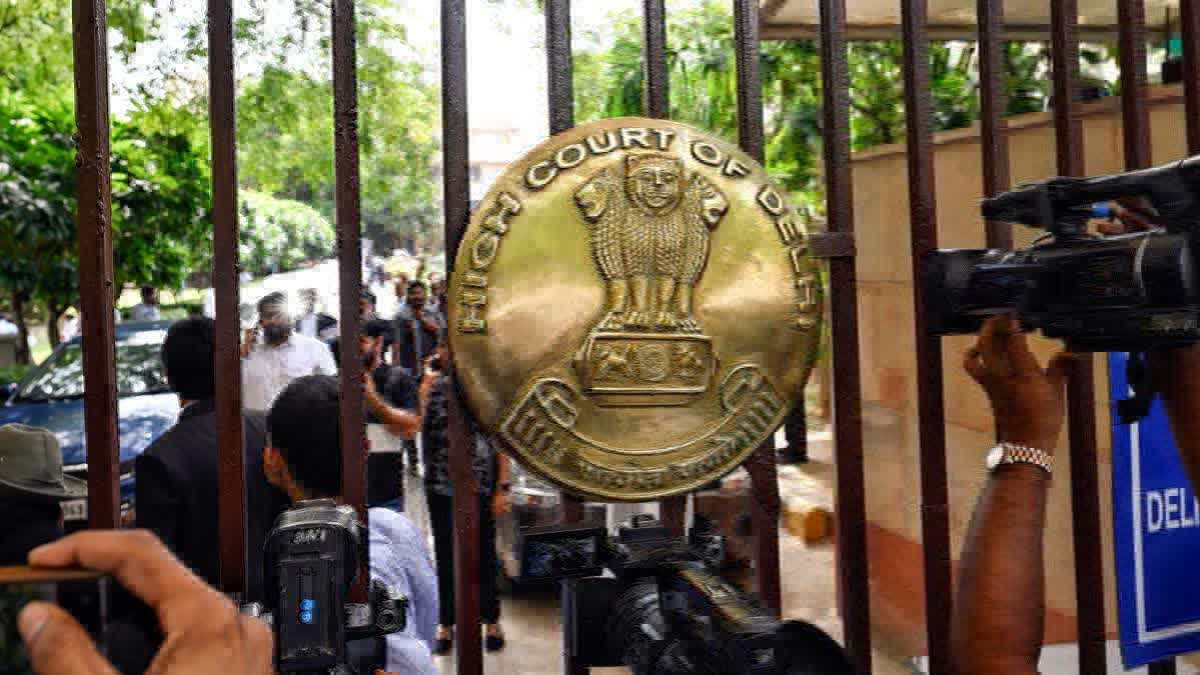
Delhi’s fragile intersection between public healthcare and climate vulnerability has come under renewed scrutiny, with the city’s shelter authorities directed to develop structured emergency plans to protect patients and caregivers exposed to extreme weather outside major hospitals. The move signals a growing institutional recognition that urban health infrastructure extends beyond hospital walls, particularly in climate-stressed cities.
The directive places responsibility on the city’s shelter agency to design two seasonal contingency frameworks every year one addressing heat stress and the other cold exposure. These plans are expected to move beyond ad-hoc responses, introducing pre-approved protocols that can be activated as soon as weather thresholds are breached. For a city grappling with longer heatwaves and harsher winters, the instruction marks a shift towards anticipatory urban governance. The issue gained urgency after judicial attention was drawn to the conditions faced by families waiting outside one of the capital’s largest public medical institutions. Patients and attendants, many travelling from outside Delhi, often camp for days due to bed shortages and appointment delays. Urban planners note that this phenomenon reflects systemic pressure on tertiary healthcare facilities, compounded by limited affordable accommodation near hospital districts.
In response, health and civic authorities submitted updates outlining coordinated measures already underway. Temporary shelters have been expanded within hospital precincts, with hundreds of beds currently in use each night an indicator of both demand and dependence. Transport assistance within large medical campuses, improved sanitation coverage, food distribution, and coordinated security deployment have also been scaled up through inter-agency collaboration.
Urban resilience experts say the significance of this intervention lies in its multi-departmental approach. Climate adaptation in cities often falters due to fragmented responsibilities. In this instance, shelter boards, municipal bodies, public works agencies, law enforcement, and hospital administrators have been brought into a single operational framework. Such coordination is increasingly viewed as essential for climate-resilient public infrastructure.
From a built environment perspective, the case has broader implications. Large hospitals function as urban anchors, generating informal settlements, temporary encampments, and economic activity around their perimeters. Without planned rest facilities and climate-responsive design, these zones become pressure points during extreme weather events. The proposal to construct permanent, high-capacity rest houses near hospital campuses reflects an acknowledgment of this reality. The court has indicated that while immediate measures have shown early results, sustained oversight and capacity planning will be critical.
Seasonal action plans are expected to be reviewed and approved through district-level coordination mechanisms to prevent lapses during peak weather periods.
As climate volatility intensifies and urban healthcare demand continues to rise, Delhi’s evolving approach to hospital-linked shelters may offer a template for other Indian cities. The challenge ahead lies in embedding these measures into long-term urban planning where public health, housing, and climate resilience are treated as interconnected priorities rather than isolated concerns.
Delhi Court Spurs Weather Protection Near Hospitals