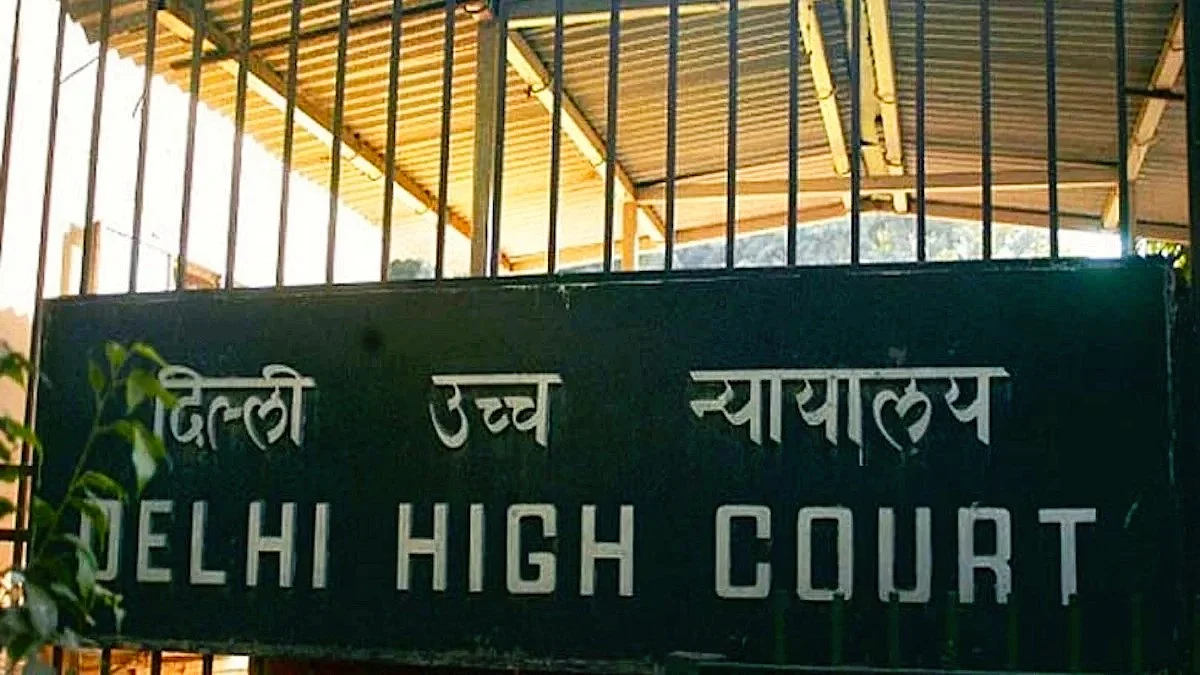
As winter smog continues to choke India’s capital, the Delhi High Court has sought a formal response from the Union government on whether air purifiers should attract a lower goods and services tax, raising fresh questions about how essential health-linked products are taxed in highly polluted cities. On Friday, a vacation bench directed the Centre to file a detailed affidavit within ten days on a public interest petition that argues air purifiers should be treated as medical necessities rather than discretionary consumer goods. The matter will be heard again in early January, amid persistently hazardous air quality levels across Delhi and the wider National Capital Region.
Representing the Centre, a senior law officer told the court that any change in tax rates would require a physical meeting of the GST Council, describing it as a constitutional body where decisions must be taken through in-person voting. He added that a virtual meeting was not permissible under existing procedures, and requested additional time to outline the government’s position. The petition, filed by a practising advocate, seeks reclassification of air purifiers as medical devices and a reduction in GST from the current 18 per cent to the five per cent slab. The plea argues that in a city routinely experiencing “severe” or “very poor” air quality, access to clean indoor air has become a public health requirement rather than a lifestyle choice.
Earlier this week, the court had urged the GST Council to examine the issue on priority, reflecting judicial concern over the widening gap between environmental realities and fiscal policy. While the court has not expressed a view on the merits of tax reduction, its repeated directions signal a growing recognition of air pollution as a structural urban challenge rather than a seasonal inconvenience.
Urban policy experts say the case highlights a broader dilemma facing Indian cities: whether indirect taxation frameworks are adequately aligned with public health and climate resilience goals. “When households are forced to invest in protective equipment just to breathe safely indoors, it raises legitimate questions about affordability and equity,” said an urban health specialist. Industry representatives have also argued that high taxes restrict adoption, particularly among middle- and lower-income families living in dense, polluted neighbourhoods.
From a sustainability perspective, the debate goes beyond consumer pricing. Cleaner indoor air reduces health expenditure, improves productivity, and supports more inclusive urban living, especially for children, the elderly, and those working from home. As cities grapple with climate stress and environmental degradation, fiscal tools are increasingly being scrutinised for their role in enabling adaptive, people-centric urban infrastructure. The Centre’s forthcoming affidavit is expected to clarify whether the government views air purifiers as a health safeguard or a market-driven appliance a distinction that could influence future policy on urban resilience and environmental justice in India’s most polluted metros.
Delhi Court Seeks Centre Reply On Plea To Cut Air Purifier GST