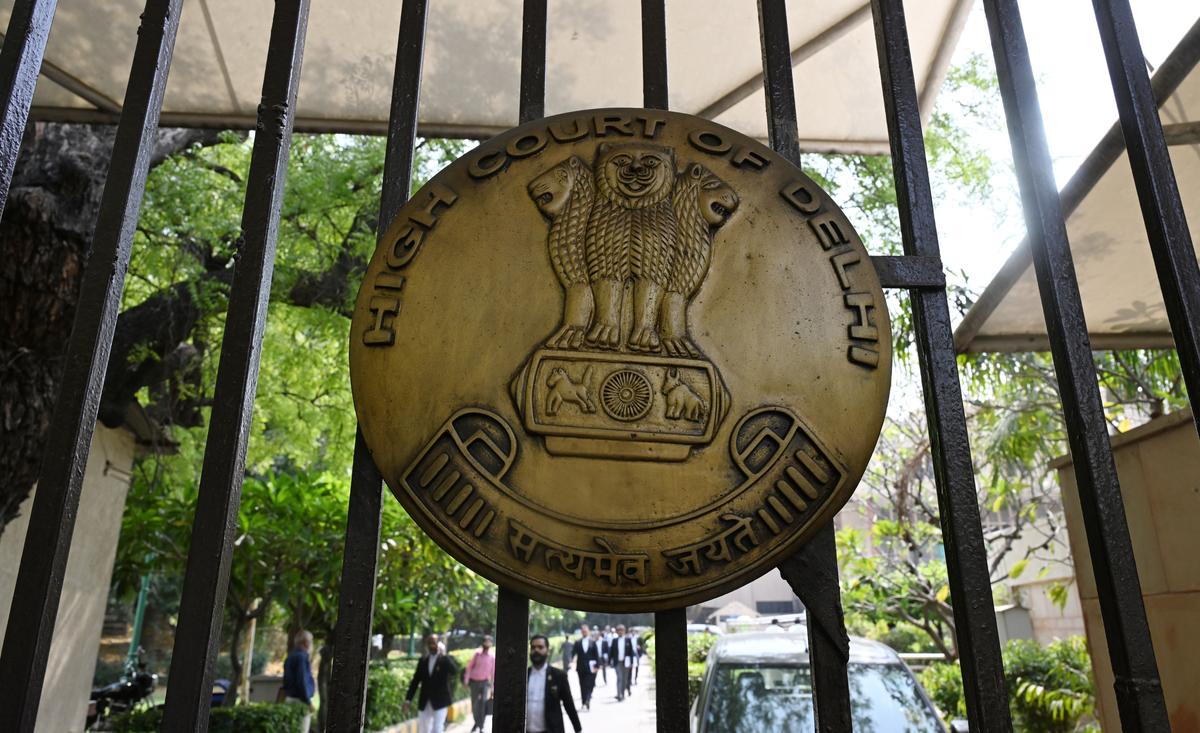
Delhi’s eastern transport gateway is set for a major reset after the High Court directed civic agencies to clear unauthorised commercial activity around the Anand Vihar Inter-State Bus Terminal and redesign the surrounding public realm. The intervention, aimed at easing congestion at one of the capital’s busiest mobility nodes, has implications for pedestrian safety, urban livelihoods, and the long-term planning of transport precincts.
Anand Vihar functions as a multi-modal interchange connecting inter-state buses, metro rail, suburban trains, and arterial road networks. On an average day, it handles passenger volumes comparable to a mid-sized city. However, unregulated vending and ad-hoc structures around terminal access points have steadily narrowed walkways, impeded traffic flow, and complicated emergency access.
The court’s directions require municipal authorities, in coordination with law enforcement, to remove all unauthorised vendors while permitting a limited number of formally recognised hawkers to operate under regulated conditions. Civic officials have been instructed to issue advance notice and complete the clearance process within a defined timeframe, signalling an emphasis on orderly transition rather than abrupt displacement.
Urban planners say the ruling reflects a broader shift in how Indian cities are being asked to manage informal commerce in high-intensity transport zones. “Transport hubs need clarity of movement first,” said a senior planner involved in transit-oriented development projects. “But that doesn’t mean eliminating livelihoods. It means redesigning space so vending, sanitation, and passenger circulation coexist without conflict.” Crucially, the court has also directed the Municipal Corporation and the Public Works Department to prepare a comprehensive area improvement plan once encroachments are removed. This includes earmarking designated zones for food outlets, sanitation blocks, and limited retail an approach aligned with contemporary urban design practices that prioritise walkability, safety, and climate resilience.
The Anand Vihar ISBT encroachment removal exercise comes at a time when Delhi is reassessing the performance of its transport infrastructure under rising commuter pressure. Poorly managed terminal surroundings not only slow travel but also increase vehicular idling, contributing to localised air pollution and higher carbon emissions. From a real estate and infrastructure perspective, well-designed transport precincts also influence land values and investment confidence in surrounding neighbourhoods.
For street vendors, the outcome underscores the growing importance of formal recognition and spatial planning. Experts note that cities which integrate vending zones into master plans tend to see better compliance and reduced conflict between enforcement agencies and informal workers. As agencies move to implement the Anand Vihar ISBT encroachment removal and redesign, the success of the exercise will depend on execution balancing enforcement with inclusion, and infrastructure efficiency with human needs. The redevelopment of this transport hub could become a template for managing similar high-density nodes across India’s rapidly urbanising regions.
Delhi Court Orders Reset Of Anand Vihar Public Space