


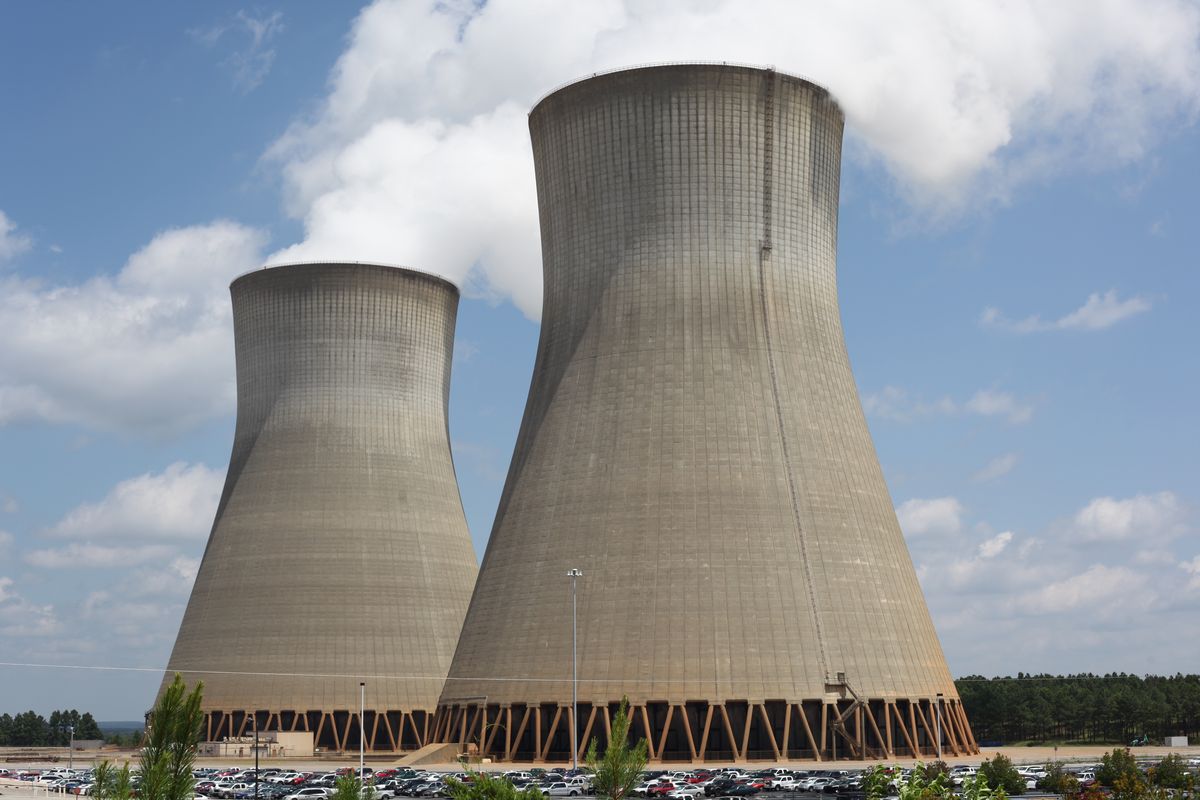
The Indian government is actively evaluating the potential conversion of ten retired or decommissioned thermal power plant sites into advanced nuclear power facilities. This forward-thinking initiative aligns with the nation’s ambitious target of installing 100 gigawatts (GW) of nuclear capacity by 2047, with an intermediate goal of 22 GW by 2032. The move signifies a profound commitment to sustainable energy generation, leveraging existing infrastructure to accelerate India’s transition away from fossil fuels and foster eco-friendly, resilient urban landscapes.
The preliminary selection of these sites across various states marks a significant step in India’s long-term energy security strategy. The careful assessment process, which involves a dedicated site selection committee with representatives from the Nuclear Power Corporation of India, will meticulously consider critical factors such as seismic stability, reliable water availability, and appropriate proximity to populated areas. This rigorous evaluation underscores the paramount importance of safety and environmental responsibility in the development of nuclear infrastructure, ensuring that new facilities contribute positively to the well-being of surrounding communities.
Furthermore, the Indian Power Ministry is exploring the integration of diverse nuclear power generation technologies, including Small Modular Reactors (SMRs). The suitability of each site will dictate the specific technology deployed, optimising for available space and resources. SMRs, with their smaller footprint and enhanced safety features, offer greater flexibility in deployment and can be tailored to specific regional energy demands, potentially accelerating the decentralisation of clean power generation. This technological diversification is crucial for building a resilient and adaptable energy grid capable of supporting India’s rapid urbanisation and industrial growth.
This transformative initiative is not merely about increasing power generation; it is a fundamental reorientation of India’s energy mix towards cleaner, more sustainable sources. By repurposing existing thermal plant sites, the government aims to minimise new land acquisition, capitalise on established grid connectivity, and utilise existing water resources, thereby reducing the overall environmental footprint of energy infrastructure development. Such strategic planning is vital for creating gender-neutral and equitable cities, where access to reliable and clean energy underpins economic opportunities and improves the quality of life for all citizens.
Also Watch: “Mumbai will rock, shine and always be India’s best city to live.” In an exclusive, MHADA CEO Sanjeev Jaiswal (IAS) talks about Mumbai’s enduring charm, livability, and the government’s focus on making it affordable for all
The push for nuclear power complements India’s broader commitment to climate action and its role as a responsible global stakeholder in reducing carbon emissions. With an installed nuclear capacity of 8.2 GW at the end of 2024, the targets of 22 GW by 2032 and 100 GW by 2047 represent an exponential expansion. This aggressive yet carefully planned growth in nuclear energy is set to significantly bolster India’s energy independence, reduce reliance on imported fossil fuels, and solidify its position as a leader in the global clean energy transition. The long-term vision is to establish a robust, diversified energy portfolio that powers a prosperous and environmentally conscious nation.
Also Read :New Delhi Meets Non-Fossil Energy Target Five Years Before Deadline
