


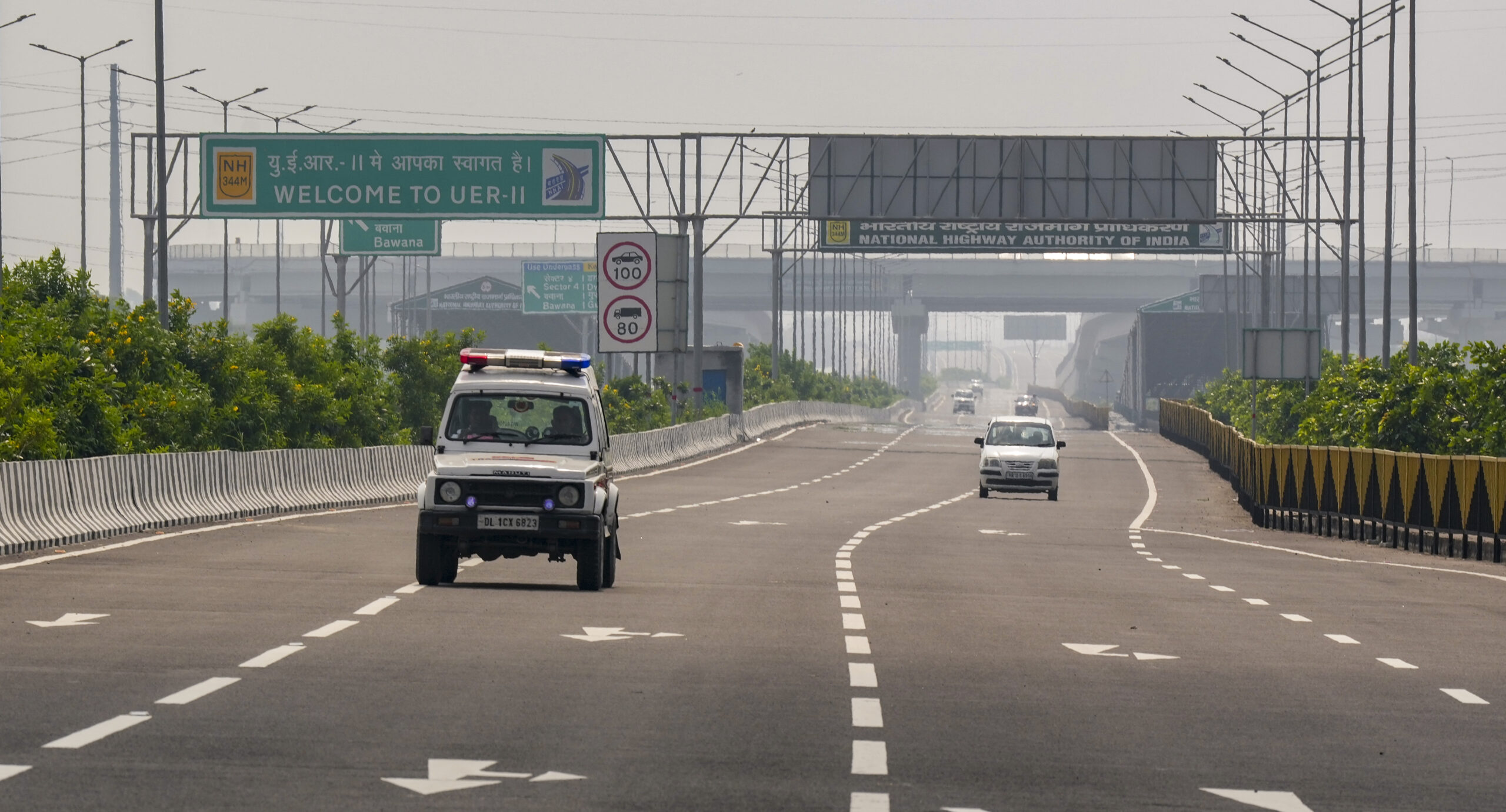
Delhi has inaugurated its third ring road, the Urban Extension Road-2 (UER-2). This landmark infrastructure project, constructed at a cost of over ₹11,000 crore, is designed to drastically cut down travel time and ease the chronic congestion that plagues the city’s existing roadways. Experts and commuters anticipate this new arterial road will redefine urban mobility by offering a seamless, high-speed connection that directly links the northern border to the international airport in just forty minutes, a journey that previously consumed significantly more time.
The strategic importance of this new expressway cannot be overstated. It acts as a critical bypass for vehicular traffic, especially for commuters travelling from the neighbouring states of Haryana and Punjab who need to reach the Indira Gandhi International Airport or other parts of Delhi-NCR without navigating the city’s crowded core. By siphoning off a large volume of transit traffic, the UER-2 will not only reduce travel time and fuel consumption but also decrease the stress on existing roads, making them more accessible for local commuters. This is a crucial step towards fostering a more equitable and efficient transport network for all residents and visitors.
The project is a significant leap forward in the city’s pursuit of sustainable infrastructure. The increased average speed on the new road will lead to a substantial reduction in the amount of time vehicles spend idling in traffic. This directly translates to lower fuel consumption and a considerable drop in carbon emissions and other pollutants. The design of the expressway, which allows for speeds of 80-100 kmph, is a testament to modern urban planning that prioritises not just speed but also environmental sustainability. It is an investment that proves that robust economic growth can be achieved in harmony with environmental goals.
Furthermore, the UER-2’s seamless integration with key infrastructure like the Dwarka Expressway highlights a forward-thinking approach to urban connectivity. This interconnected network ensures that the benefits of the new road are extended across the capital region, creating a cohesive and logical transport grid. The project’s completion showcases a commitment to building a resilient, future-ready city that is prepared for a growing population and the increasing demands of trade and travel. Officials have noted that this world-class expressway will stand as a beacon of modern, eco-friendly infrastructure.
Ultimately, the inauguration of the UER-2 is more than just a new road opening. It is a powerful symbol of Delhi’s commitment to solving its most pressing urban challenges with innovative and sustainable solutions. By prioritising efficiency and environmental responsibility, this project serves the larger interest of the society, paving the way for a more breathable, less congested, and a greener future for millions of people. It is a critical piece of the puzzle in creating a metropolis that is both dynamic and deeply mindful of its ecological footprint.
Also Read :Chennai approves 1250 crore 6 lane elevated highway Poonamallee Maduravoyal
