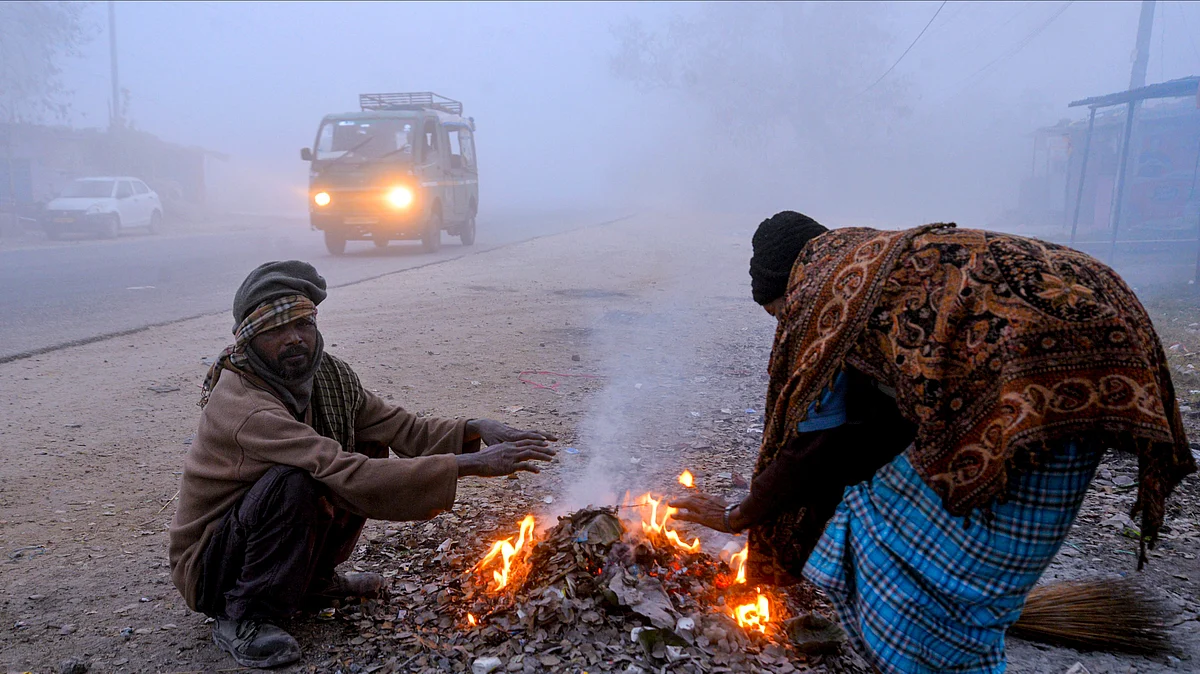
Delhi experienced one of its coldest mornings in recent years as temperatures dropped sharply across the capital, pushing the city into an intense cold wave phase. The minimum temperature fell to near-freezing levels at multiple monitoring stations, triggering weather alerts and creating widespread disruption for commuters, informal workers and vulnerable populations. For a city already grappling with pollution and seasonal stress on infrastructure, the sudden chill has underscored the growing challenge of climate variability in dense urban environments.
Meteorological data shows that the capital recorded its lowest night-time temperature in nearly three years, with readings well below seasonal averages across central, southern and airport-adjacent zones. Weather officials categorised the conditions as a cold wave, a threshold reached when temperatures fall significantly below normal or approach critical lows. Dense fog during early morning hours further reduced visibility, affecting road traffic, flight schedules and train operations across the National Capital Region. Urban planners note that extreme winter conditions disproportionately affect those who work outdoors or rely on early-morning mobility, including construction labour, delivery workers and street vendors. Shelters and night homes reported higher occupancy, while hospitals flagged a rise in cold-related respiratory complaints, particularly among the elderly and children.
From an infrastructure perspective, the cold spell highlights how Indian cities remain more exposed to heat stress planning than winter resilience. While sunshine during the day helped stabilise maximum temperatures, clear night skies allowed rapid heat loss, intensifying early-morning cold. Experts say such sharp temperature swings are becoming more frequent, stressing the need for better building insulation standards and climate-responsive urban design. Weather agencies have issued cautionary alerts for continued cold and foggy conditions over the next few days, advising reduced travel speeds and staggered commuting where possible. Transport officials said visibility-related slowdowns were managed through safety protocols, though delays remained unavoidable during peak hours.
Air quality has added another layer of concern. Pollution levels remained in the poor category, with cold air and low wind speeds trapping particulate matter close to the ground. Environmental specialists warn that the combination of cold weather and pollution increases health risks, particularly in low-income neighbourhoods with limited access to heating or healthcare.
Looking ahead, forecasters expect a gradual moderation in night-time temperatures as wind patterns shift later in the week. This may bring temporary relief, but urban climate researchers caution that such episodes are part of a broader trend of weather extremes affecting Indian cities. For Delhi, the episode reinforces the importance of integrating cold-weather preparedness into urban policy ranging from housing design and public shelters to transport planning and air quality management. As climate patterns grow more unpredictable, city administrators face the task of ensuring that infrastructure, public services and housing systems are resilient not only to heat and flooding, but also to increasingly severe winters that test the limits of urban living.
Delhi cold wave tests winter preparedness