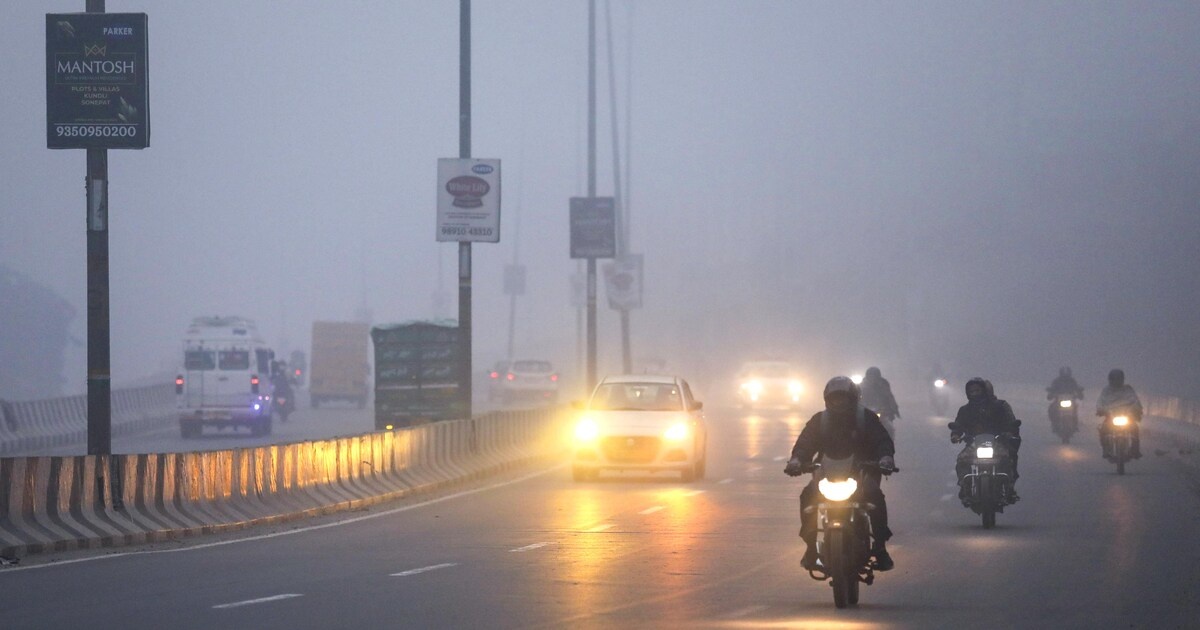
A sharp drop in early morning temperatures accompanied by dense fog has disrupted late-March weather patterns in Delhi, with the mercury falling to 13°C — well below seasonal norms. The unusual chill, recorded after recent rainfall activity, reflects a broader shift in urban weather behaviour, raising questions about climate variability and its impact on city systems. According to the India Meteorological Department, the minimum temperature dipped several degrees below average, marking one of the coldest March mornings in recent years. Multiple monitoring stations across the capital reported similar trends, with cooler-than-normal readings persisting alongside high humidity levels. At the same time, daytime temperatures remained subdued, staying below typical late-March averages despite some sunshine.
Meteorologists attribute this fluctuation to a combination of rainfall, cloud cover, and subsequent overnight cooling. After precipitation added moisture to the atmosphere, clearer skies allowed heat to escape rapidly from the surface, creating ideal conditions for both fog formation and a sudden temperature drop. The result has been a temporary overlap of winter-like mornings and milder afternoons — a pattern increasingly observed during seasonal transitions. While the immediate impact has been limited to cooler weather and reduced visibility during early hours, urban experts say such anomalies carry wider implications. In a dense metropolis, fog can disrupt road and air transport, while unexpected cold spells influence energy consumption patterns, particularly in residential and commercial buildings that may need temporary heating adjustments. The episode also highlights a growing challenge for urban infrastructure planning. Fluctuating temperatures and unseasonal rainfall can affect road durability, construction timelines, and drainage performance. Even light rain followed by temperature variation can accelerate surface wear and increase maintenance needs, adding to operational costs for civic agencies.
Environmental analysts note that these irregularities align with broader climate trends across northern India, where traditional seasonal boundaries are becoming less predictable. Warmer winters interspersed with sudden cold spells, coupled with erratic rainfall, are reshaping how cities experience and respond to weather. In Delhi, these shifts are further intensified by urban heat retention, air pollution, and reduced natural buffers such as wetlands and green cover. Looking ahead, forecasts suggest a gradual rise in temperatures over the coming days, although intermittent cloud cover and the possibility of light rain remain. This points to a continued phase of instability before the onset of sustained summer conditions.
For policymakers and planners, the latest cold morning serves as more than a weather anomaly. It underscores the urgency of designing climate-responsive urban systems — from resilient housing and adaptive infrastructure to better forecasting and early warning mechanisms — as cities navigate increasingly unpredictable environmental conditions.