Delhi Civic Waste Management Strategy Links Water Recycling
Delhi’s municipal administration is preparing to review a series of proposals aimed at strengthening sanitation services, waste handling systems and water recycling infrastructure across the capital. Civic officials are expected to deliberate on operational reforms and infrastructure upgrades that could reshape the city’s Delhi civic waste management framework while addressing growing environmental pressures in densely populated urban zones. At the centre of the discussions is a proposal to restructure waste collection and transportation systems in the western districts of the city. Municipal authorities are considering a revised financial allocation that would allow the continuation of an existing solid waste management contract while a longer-term concession model is finalised. Officials say maintaining uninterrupted services remains critical as the city continues to generate thousands of tonnes of municipal waste every day.
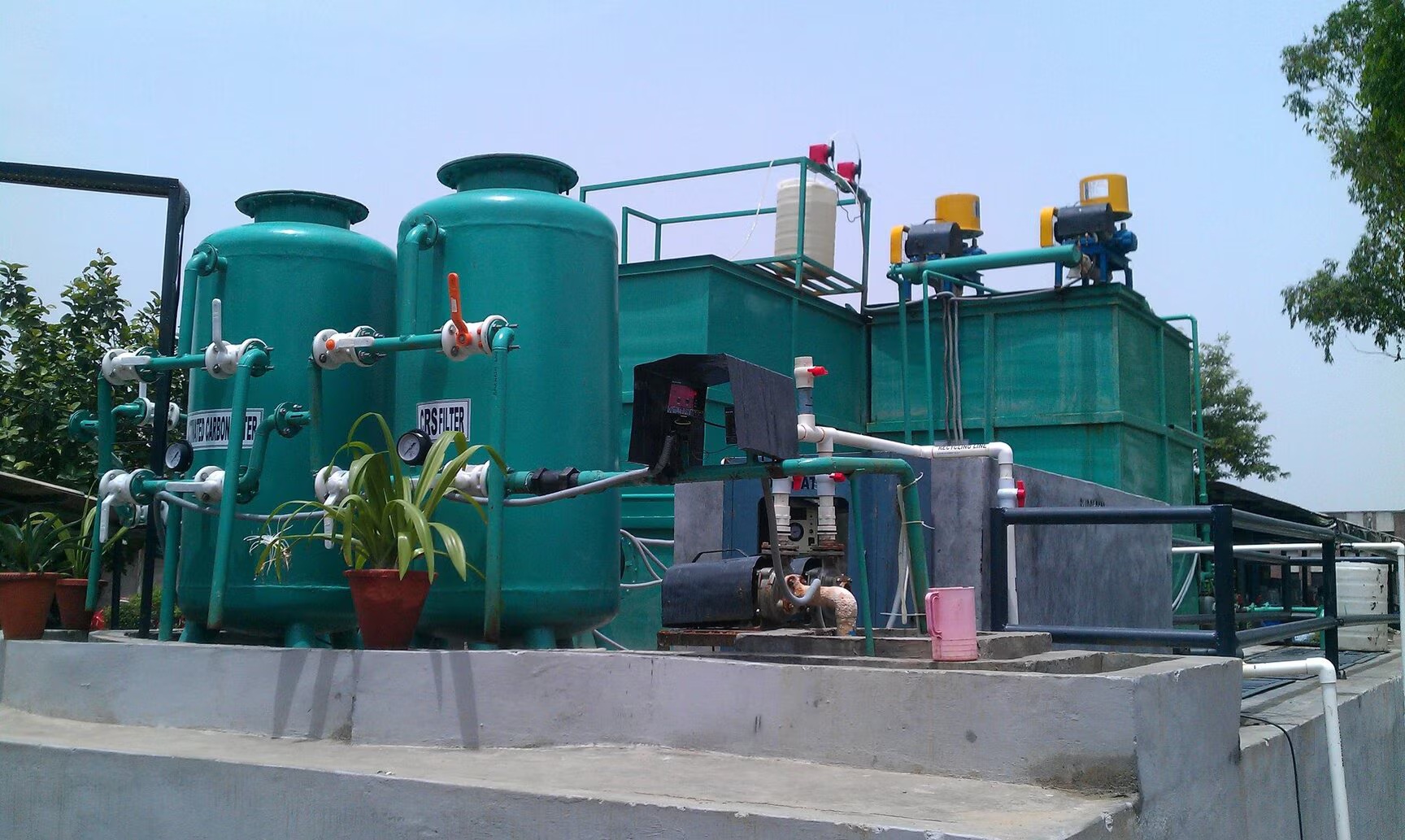
Urban sanitation experts note that improving operational efficiency in the Delhi civic waste management system is essential for maintaining public health standards in rapidly expanding neighbourhoods. Waste collection networks in large metropolitan areas often require frequent restructuring as population density, housing patterns and commercial activity change. Alongside waste logistics, the civic body is also examining administrative adjustments aimed at strengthening local enforcement. One proposal under review involves reassigning inspection duties across municipal zones to address staffing gaps and improve monitoring of unauthorised encroachments on public land. Officials believe a more balanced distribution of inspection responsibilities could improve compliance with urban regulations while supporting neighbourhood-level governance. A key part of the meeting will also focus on expanding water reuse infrastructure linked to urban parks and public green spaces. Municipal engineers are exploring the possibility of constructing additional sewage treatment facilities in parts of East Delhi to treat wastewater for non-potable uses. If implemented, treated water from these facilities could be used for maintaining parks and landscaping instead of relying on drinking water supplies.
Urban planners say integrating wastewater recycling into the Delhi civic waste management system reflects a broader shift toward circular resource use in large cities. Reusing treated water can help reduce pressure on freshwater resources while supporting the maintenance of public green spaces that play a vital role in urban climate resilience. Environmental infrastructure specialists also emphasise that decentralised sewage treatment plants can improve drainage performance in areas vulnerable to seasonal flooding. By processing wastewater closer to where it is generated, such systems reduce the burden on large centralised treatment plants and improve the efficiency of drainage networks. For Delhi, which faces mounting challenges related to waste disposal, water scarcity and urban expansion, these policy discussions signal a broader attempt to integrate sanitation, water management and infrastructure planning under a single governance framework. Officials say the upcoming decisions could influence how the Delhi civic waste management system evolves in the coming years, particularly as the city looks to align sanitation services with sustainable urban development goals.
If implemented effectively, the proposals may help strengthen Delhi’s capacity to manage growing urban waste streams while promoting resource-efficient water use in public spaces across the capital.
Delhi Civic Waste Management Strategy Links Water Recycling