


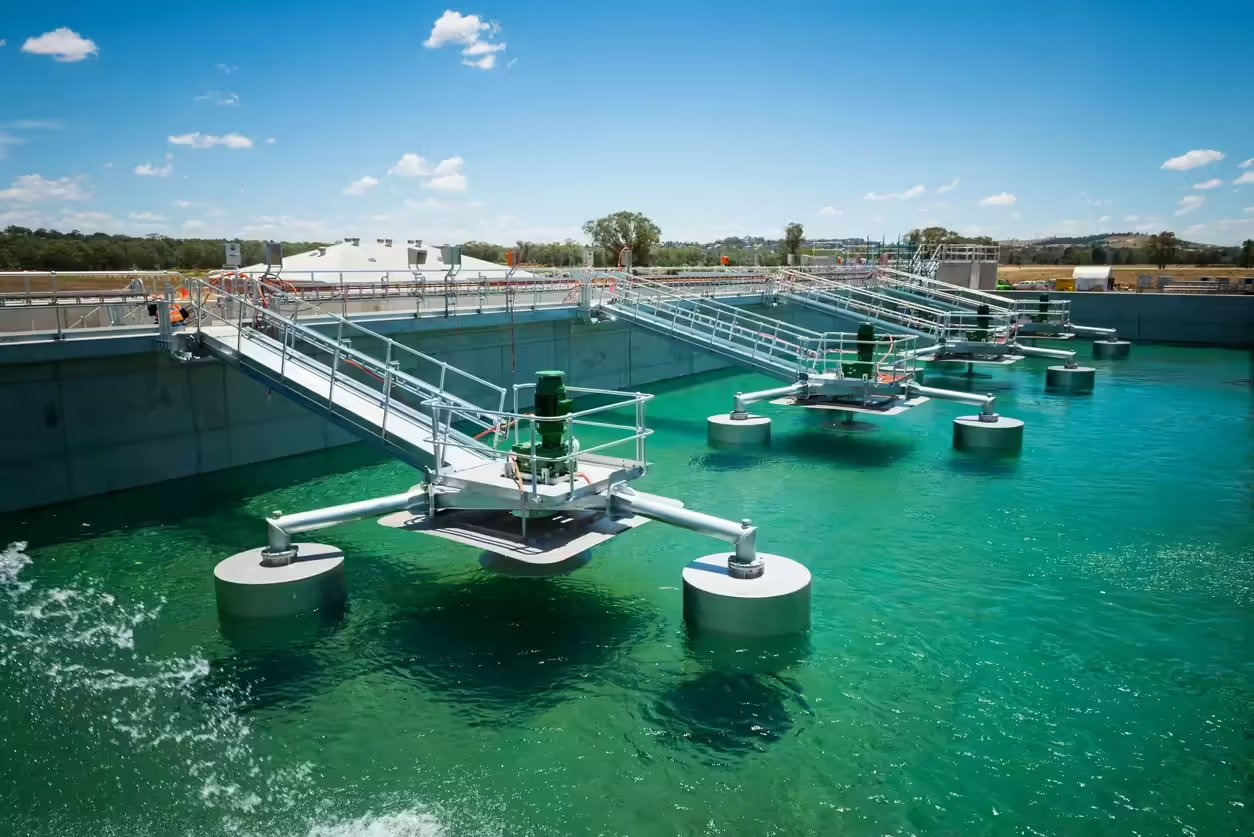
Delhi’s municipal authorities are preparing to expand wastewater recycling infrastructure in east Delhi with plans to upgrade a drainage pumping facility and establish a new sewage treatment unit aimed at supplying treated water to public parks. The initiative reflects a growing shift in urban water management as cities seek alternatives to freshwater use for landscape maintenance and green infrastructure. The project centres on a proposed Delhi sewage treatment plant project that will process wastewater and channel treated water to municipal parks across several neighbourhoods in the eastern part of the capital. Civic officials say the effort will help conserve potable water while maintaining horticultural needs in public spaces that form an essential part of the city’s urban ecosystem.
The plan also includes modernising an existing sludge drainage pumping station. Upgrading the pumping infrastructure is expected to improve the handling of wastewater flows and support the functioning of the treatment system once operational. Urban planners say wastewater reuse is increasingly becoming a key strategy in cities facing water stress and rising demand. By diverting treated water for irrigation and landscaping, municipalities can reduce pressure on freshwater supplies while maintaining green spaces that improve urban liveability. The Delhi sewage treatment plant project is expected to benefit parks in several east Delhi localities, including residential neighbourhoods and dense urban districts where maintaining green cover remains a challenge. Municipal parks in these areas serve as critical community spaces, providing recreational access, moderating local temperatures and improving air quality. Experts in urban ecology note that sustained irrigation is necessary to maintain vegetation in public parks, especially during prolonged dry periods. Using treated wastewater rather than potable water is increasingly considered an environmentally responsible approach in water-scarce metropolitan regions.
Alongside water infrastructure improvements, the municipal body has also approved new measures aimed at community participation in civic infrastructure management. Civil society organisations, neighbourhood associations and self-help groups are expected to collaborate with the city administration to maintain cremation and burial facilities across various zones. Urban governance specialists say involving local groups in such initiatives can improve maintenance standards while building community ownership of public infrastructure. Several Indian cities have begun experimenting with similar partnerships to improve the upkeep of civic amenities. In another sustainability-focused initiative, the civic body has recommended a pilot programme to test cremation using cow-dung-based fuel as a substitute for conventional firewood. Environmental experts say alternatives that reduce wood consumption could help minimise deforestation pressures while lowering emissions from traditional cremation practices. Municipal authorities also announced steps related to workforce reforms, including the regularisation of sanitation workers who play a critical role in maintaining public health infrastructure across the capital. As the Delhi sewage treatment plant project moves towards implementation, urban infrastructure experts say its success will depend on effective wastewater management, reliable treatment capacity and consistent distribution systems for recycled water.
If executed efficiently, the initiative could demonstrate how cities can integrate water recycling into everyday municipal services while strengthening green spaces that are increasingly vital for climate resilience and urban wellbeing.
Also Read : Delhi Expands Smart Card System For Women Bus Travel
