Delhi Chandrawal Plant Repairs Near Full Restoration
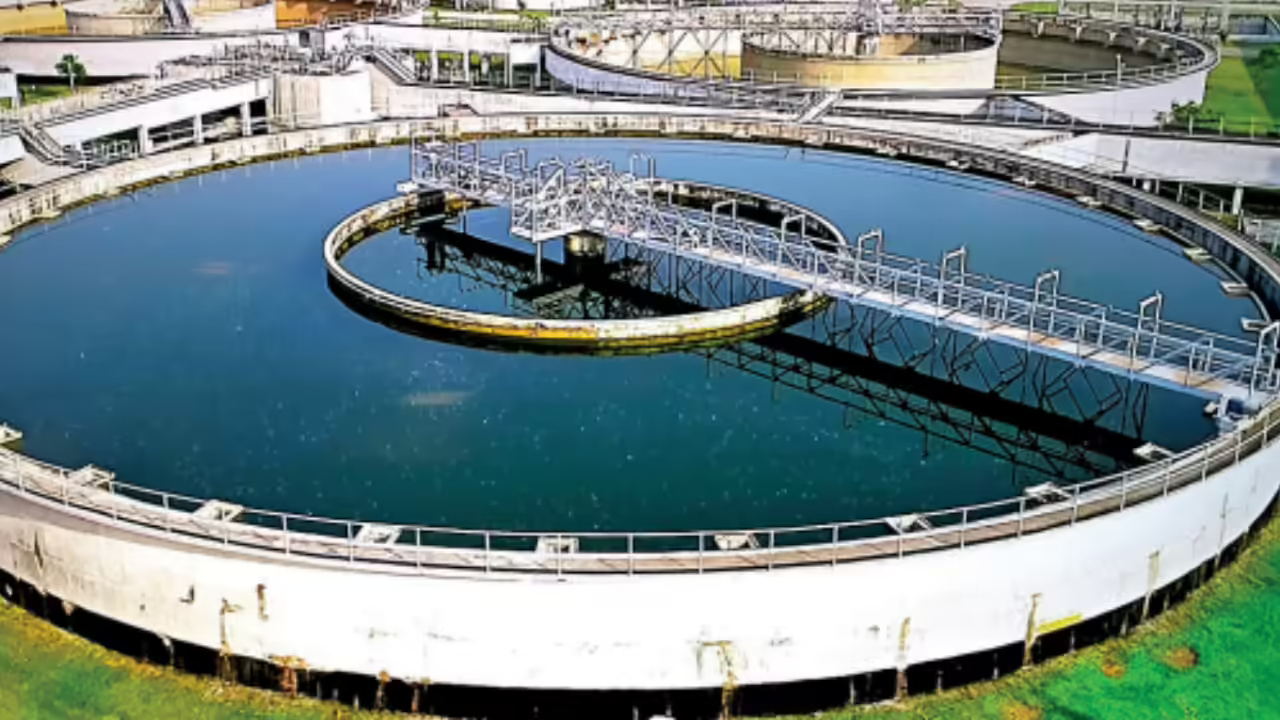
A gradual recovery in Delhi water supply restoration is underway as repair work at a major treatment facility in central Delhi nears completion, offering relief to thousands of households affected by recent disruptions. Officials indicate that the plant is expected to regain full operational capacity within the next few days, restoring stability to a critical part of the city’s water distribution network. The disruption originated from infrastructure failure linked to a key pipeline connected to the treatment facility, which led to flooding within the premises and forced a temporary shutdown. Although partial operations resumed earlier this week, the system has been functioning below capacity due to technical issues in pumping equipment caused by moisture-related damage.
At present, a significant portion of the plant’s output has been reinstated, but the remaining capacity is still being stabilized. Engineers are working continuously to repair and recalibrate motors and pumping systems, which are essential for maintaining steady water pressure across supply zones. Until full functionality is restored, several neighbourhoods continue to experience irregular supply schedules. To manage the shortfall, authorities have deployed additional tanker services across affected areas. While this has provided interim support, urban infrastructure experts note that such measures are resource-intensive and highlight the absence of redundancy in key utility systems. The dependence on tanker supply also raises concerns around equitable access, especially for densely populated and lower-income localities. The ongoing Delhi water supply restoration effort draws attention to the vulnerabilities of ageing water infrastructure in high-density urban centers. Much of Delhi’s network operates under significant stress, with limited buffer capacity to absorb shocks such as pipeline failures or equipment breakdowns.
Experts suggest that modernizing treatment plants, introducing real-time monitoring, and diversifying supply sources could help reduce the frequency and impact of such disruptions. There are also broader environmental considerations. Interruptions in piped supply often push households and businesses to rely on groundwater extraction, further depleting already stressed aquifers. This underscores the importance of integrating resilience planning into water management strategies, particularly in cities facing climate variability and rising demand. From an economic standpoint, consistent water availability is critical for sectors ranging from healthcare to hospitality. Even short disruptions can increase operational costs and disrupt service delivery, reinforcing the need for infrastructure that supports uninterrupted urban functioning.
As repair work progresses towards completion, the focus is expected to shift to long-term system upgrades and preventive maintenance. Strengthening infrastructure resilience, improving contingency planning, and ensuring equitable distribution will be essential to building a more reliable and sustainable urban water framework for the capital.