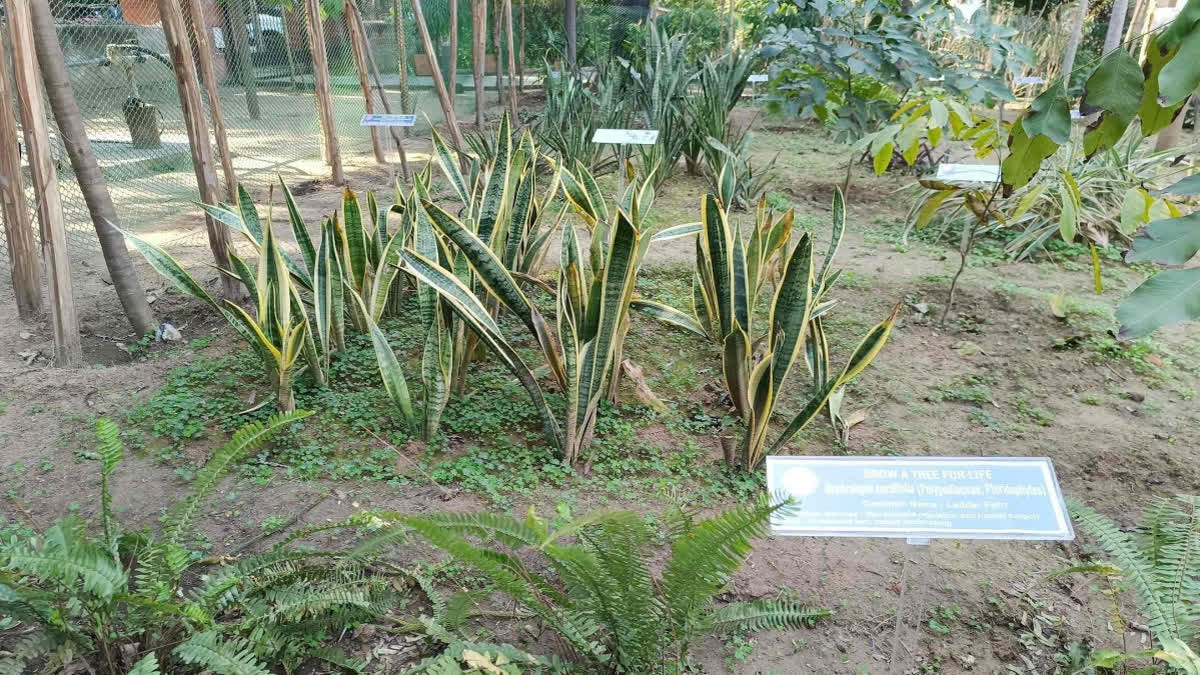
A compact biodiversity project developed within a university campus in Delhi is drawing attention from urban planners and environmental scientists as a potential low-cost intervention to address worsening air quality. The initiative, widely referred to as a Delhi carbon garden, demonstrates how integrated plant and microbial systems can be deployed in dense urban settings to reduce atmospheric pollutants. Spread across a relatively small footprint, the model brings together a mix of vegetation and microorganisms designed to function as a self-sustaining ecological unit. Unlike conventional green spaces that primarily rely on tree cover, the system combines shrubs, herbs and soil-based biological processes to absorb and transform harmful gases. Researchers involved in the project indicate that the interaction between plant roots and microbes plays a central role in breaking down pollutants into less harmful compounds.
The relevance of such an approach is significant in a city where air pollution remains a persistent public health concern. Urban experts note that while large-scale policy interventions—such as emission controls and transport reforms—are essential, decentralised solutions like the Delhi carbon garden could complement these efforts at the neighbourhood level. Small, replicable systems embedded within residential, institutional and commercial zones may collectively contribute to measurable improvements in air quality. The model also aligns with evolving global thinking around nature-based solutions in cities. Instead of relying solely on engineered systems, planners are increasingly exploring biological processes that restore ecological balance while delivering environmental benefits. In this case, the garden not only addresses air pollution but also contributes to soil regeneration and biodiversity enhancement—factors that are often overlooked in conventional urban landscaping. Industry observers point out that scalability will be key to its success. While the pilot demonstrates promising outcomes, its impact will depend on how effectively it can be adapted to different urban contexts, including high-density housing, public parks and roadside corridors.
Cost efficiency could work in its favour, particularly for municipal bodies and institutions operating under budget constraints. However, experts caution that such interventions cannot function in isolation. Air pollution in Indian cities is driven by a combination of vehicular emissions, industrial activity and seasonal factors such as agricultural burning. Without parallel efforts to reduce emissions at source, micro-level solutions may have limited long-term impact. Behavioural changes, including shifts towards public transport and sustainable consumption patterns, remain equally critical. From a built environment perspective, the concept opens up new possibilities for integrating ecological infrastructure into urban design. Developers and city authorities are increasingly being encouraged to incorporate green systems that go beyond aesthetics and actively contribute to environmental performance. Projects like the Delhi carbon garden could inform guidelines for future developments, particularly in climate-sensitive regions.
As cities continue to grapple with the dual pressures of rapid urbanisation and environmental degradation, such hybrid ecological models may offer a practical pathway forward. The next phase will likely involve testing their effectiveness at scale and embedding them within broader urban planning frameworks aimed at cleaner, more resilient cities.