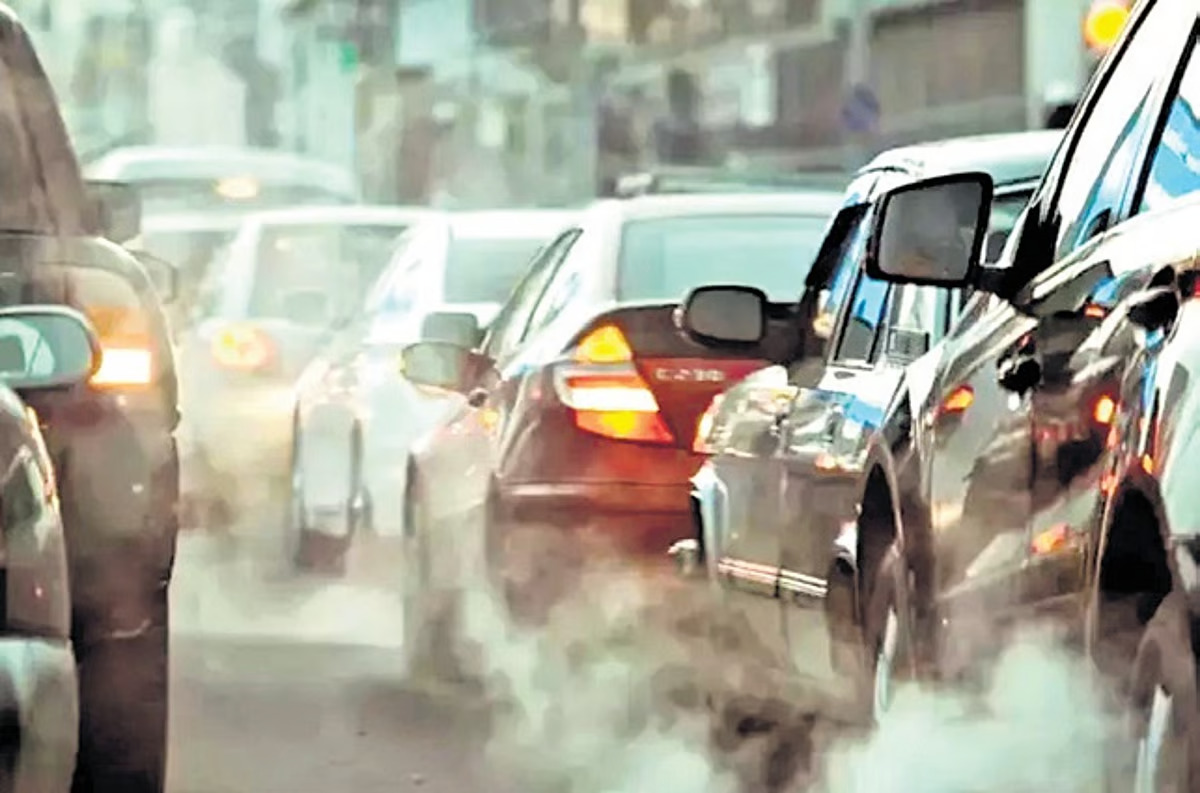
The Delhi government has officially cancelled the registration of over 57 lakh old vehicles as part of its efforts to curb pollution in the capital.
The deregistration primarily impacts diesel vehicles older than 10 years and petrol or CNG vehicles older than 15 years. This sweeping action, which has been enforced in line with policies introduced in 2024, reflects the government’s commitment to improving air quality and reducing vehicular emissions, which are among the leading contributors to the city’s smog. According to officials from the Transport Department, the crackdown is part of a broader strategy to curb the toxic air that regularly plagues Delhi. The deregistration of these old vehicles aligns with a larger environmental agenda that includes measures to reduce particulate matter, nitrogen oxides, and other harmful emissions that degrade air quality. As experts in environmental science have repeatedly pointed out, older vehicles are significantly more polluting than their modern counterparts, due to outdated technology and lack of adherence to current emission norms.
The cancellation of vehicle registrations also brings with it strict new parking restrictions. Owners of deregistered vehicles are now prohibited from parking these vehicles in any public space, including roadside areas and open spaces near their homes. Such vehicles can only be parked in private spaces not designated for public use. This regulation aims to limit the misuse of deregistered vehicles and prevent their continued presence on the streets, which would otherwise exacerbate the pollution problem. The enforcement of these new rules will be carried out by the Delhi Transport Department in collaboration with multiple agencies, including the Delhi Traffic Police, New Delhi Municipal Council (NDMC), the Municipal Corporation of Delhi (MCD), and the Delhi Cantonment Board. The authorities have been given the power to seize vehicles found in violation of the new norms. Any vehicle parked in a public area or used illegally will be subject to confiscation. In such cases, owners may retrieve their vehicles after paying a fine, with amounts set at Rs 10,000 for four-wheelers and Rs 5,000 for two-wheelers. Repeat offenders could face the permanent scrapping of their vehicles.
For vehicle owners who wish to keep their old vehicles, there is an option to transfer the vehicle to another state, provided it still meets the age limit criteria. However, this is only feasible if the destination state allows such transfers and the vehicle has not crossed the stipulated age threshold—10 years for diesel and 15 years for petrol/CNG vehicles. If relocation is not an option, the government has encouraged owners to scrap their vehicles through authorised facilities to ensure proper disposal and prevent environmental harm. The deregistration policy is a critical step in the Delhi government’s ongoing fight against pollution, a problem that has reached alarming levels in recent years. According to officials, vehicular emissions are a major contributor to the city’s deteriorating air quality, and the removal of older, more polluting vehicles will play a significant role in reducing overall emissions. Air quality experts have long argued that stringent measures, including the removal of high-emission vehicles, are essential to combat the public health crisis posed by pollution in Delhi.
This initiative is part of Delhi’s broader environmental goals, which align with the national and global movement towards zero net carbon emissions. The move has been welcomed by environmental groups and experts, who have long advocated for reducing the number of old, polluting vehicles on the roads. At the same time, the policy aims to set a precedent for other cities across India, encouraging them to adopt similar measures in their battle against air pollution. However, the deregistration has not been without its challenges. While the policy has been praised for its environmental benefits, there are concerns regarding the impact on vehicle owners, particularly those who rely on older vehicles for their livelihood. Experts suggest that a more comprehensive support system, including financial assistance for scrapping vehicles and incentives for purchasing newer, more efficient models, could help mitigate the impact on low-income vehicle owners.
In any case, the Delhi government’s decisive action marks a significant step forward in its efforts to address one of the city’s most pressing issues. As the national capital continues to struggle with pollution, the deregistration of old vehicles is just one of many measures aimed at creating a cleaner, healthier urban environment for all. The success of this initiative will likely set a model for cities across India to follow as they work towards improving air quality and reducing emissions from the transport sector. By prioritising sustainable transport solutions and working towards a cleaner environment, Delhi is signalling its commitment to tackling the climate crisis head-on, while improving the quality of life for its residents. The full impact of this policy will unfold over time, but it is a promising step towards making Delhi a more sustainable and eco-friendly city.
Delhi Cancels Registration of Over 57 Lakh Polluting Vehicles