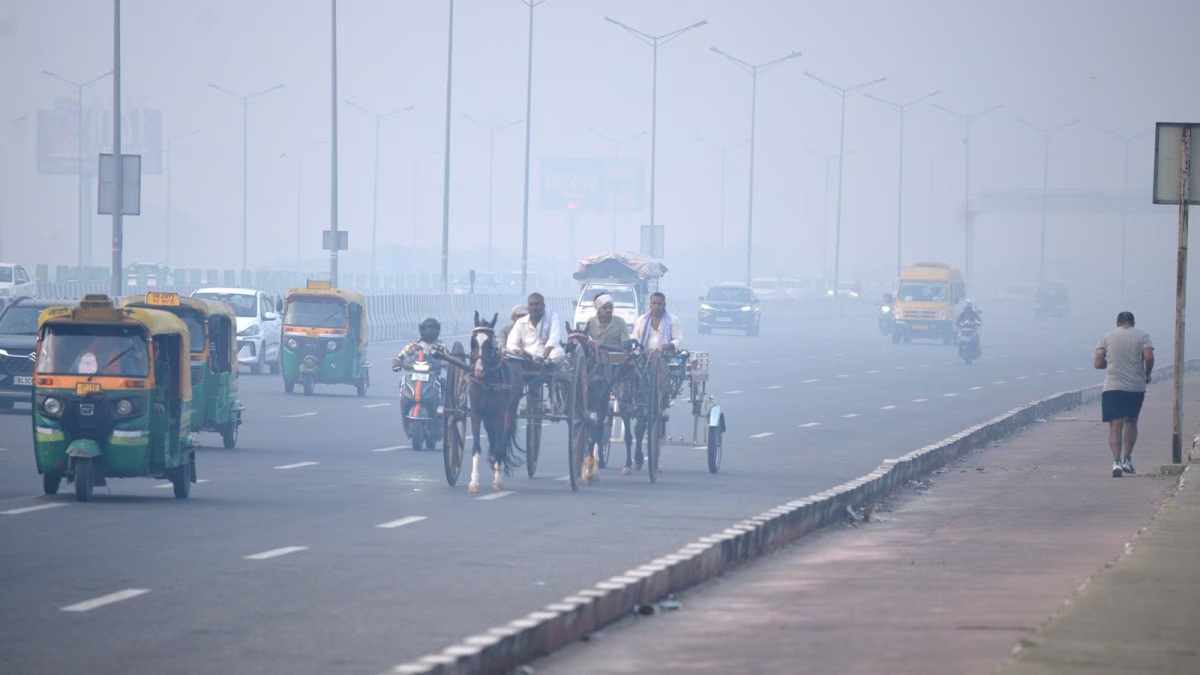
Delhi Begins Trials Of Air Pollution Control Technologies
Delhi has begun field trials of a range of emerging technologies aimed at reducing harmful emissions and improving urban air quality, marking a new phase in the capital’s search for scalable environmental solutions. The pilot initiative will test multiple air pollution control technologies across selected hotspots, including traffic-heavy corridors, construction zones and areas with persistent particulate pollution. Officials from the city’s environment department confirmed that 22 solutions have been selected for on-ground deployment after a national innovation call attracted hundreds of technology proposals. The selected devices will undergo real-world evaluation to determine whether they can deliver measurable reductions in pollution levels under Delhi’s complex urban conditions.
Urban air quality in the capital has long been influenced by a combination of vehicular emissions, construction dust, industrial pollutants and seasonal factors such as crop residue burning in neighbouring regions. As a result, policymakers have increasingly turned to technology-driven interventions to supplement regulatory measures such as emission standards and traffic management. Of the shortlisted solutions, a majority are designed to address emissions generated by vehicles and diesel-powered equipment. These include retrofitted emission control systems for heavy vehicles, mobile air filtration units mounted on buses and trucks, and exhaust-treatment devices capable of reducing particulate matter from generators and other combustion engines. The remaining air pollution control technologies focus on improving ambient air quality in open spaces. Several of these devices are stationary units intended for installation along roadsides, construction clusters and industrial pockets. Others include dust suppression systems that capture airborne particles before they spread through surrounding neighbourhoods.
Officials involved in the initiative said detailed testing protocols have been prepared to ensure consistent evaluation of each technology’s performance. Deployment sites are being chosen based on historical pollution data and traffic density, allowing authorities to compare pollution levels before and after installation. Environmental analysts say such structured trials are essential before adopting technological solutions at scale. Many pollution-control devices demonstrate promising results in laboratory conditions but face operational challenges when deployed in dense urban environments characterised by fluctuating pollution sources and weather patterns. Delhi’s move to test multiple solutions simultaneously also reflects a broader shift in urban environmental governance. Rather than relying on a single intervention, cities increasingly adopt layered strategies combining policy measures, infrastructure improvements and emerging technologies to address air pollution. Urban planners also point out that cleaner air is closely tied to sustainable urban development. Transport electrification, better construction practices and improved industrial compliance remain fundamental to reducing emissions. However, targeted technologies can help mitigate pollution in areas where immediate structural change is difficult. The evaluation process will be overseen by technical experts and environmental regulators who will monitor performance data over the trial period. Based on these findings, authorities will determine whether any of the tested air pollution control technologies can be integrated into the city’s long-term clean-air strategy.
For Delhi, where air quality remains one of the most pressing urban health challenges, the outcome of these trials could shape how future environmental interventions are designed and implemented across large metropolitan regions.
Delhi Begins Trials Of Air Pollution Control Technologies