Delhi Becomes First Indian State to Receive DGCA Approval for Cloud Seeding Trials to Combat Pollution
Delhi has officially become the first Indian state to receive final clearance from the Directorate General of Civil Aviation (DGCA) to conduct cloud seeding operations aimed at reducing air pollution. This development marks a significant leap in the capital’s multi-pronged approach to combat the severe environmental challenges that have plagued it for decades, especially during winter months.
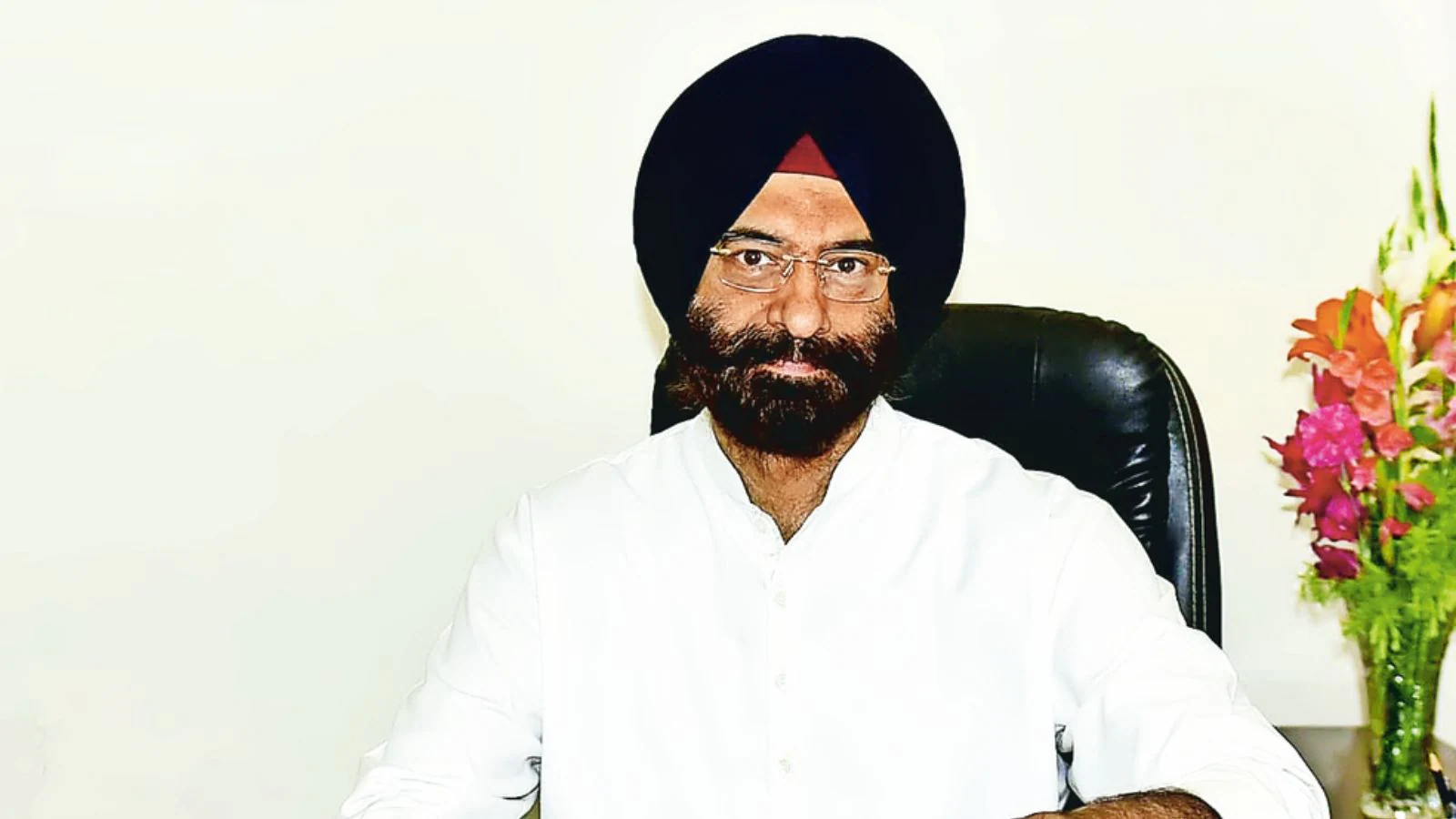
Announced by Environment Minister Manjinder Singh Sirsa on Tuesday, the move has been described as a “historic achievement” for the city, and one that could set a precedent for other pollution-stricken urban centers across the country. According to Sirsa, the proposal for cloud seeding had been under discussion for nearly a decade but never advanced beyond the paperwork stage. Now, for the first time, implementation is on the horizon.
Cloud seeding is a scientific process that involves dispersing hygroscopic particles—typically salts like sodium chloride—into the atmosphere below cloud formations to stimulate precipitation. The resultant rainfall is expected to help cleanse the air of pollutants, particulate matter, and smog that routinely pushes Delhi’s air quality index (AQI) into the “severe” category. If successful, the initiative could pave the way for future climate interventions as a tool for public health and urban sustainability.
The trials are scheduled to take place between August 30 and September 10, covering areas such as Alipur, Bawana, Rohini, Burari, Pavi Sadakpur, and the Kundli border. These regions, especially in North Delhi, are often the worst hit by high concentrations of PM2.5 and PM10, posing serious health risks to the population. While the original window for the trials was July 4 to 11, scientific experts from the India Meteorological Department and the Indian Institute of Tropical Meteorology advised postponing the operation due to suboptimal weather conditions. Their recommendation led to a revised timeline, which was subsequently approved by the DGCA.
The aircraft selected for the mission is a Cessna 206-H, bearing the registration VT-IIT, and operated by the Department of Aerospace Engineering at IIT Kanpur. This aircraft is fully equipped for cloud seeding operations and will be manned by a trained team with prior experience in similar meteorological interventions. The decision to involve IIT Kanpur reflects a broader commitment to incorporating scientific expertise and academic partnership in the state’s environmental strategy.
However, the DGCA’s clearance has come with a set of stringent operational conditions. The flights must adhere strictly to Visual Flight Rules (VFR), ensuring that the crew maintains full visibility of terrain and airspace throughout the mission. Use of aerial photography or videography during operations is expressly prohibited. Additionally, the aircraft must stay within the approved airspace limits, maintain constant coordination with Air Traffic Control, and submit post-flight reports detailing any irregularities or abnormal incidents. All activities must be thoroughly documented to ensure transparency and accountability.
The cloud seeding trials are part of a larger roadmap under the Environment Action Plan 2025, which aims to equip Delhi with the technological and policy tools to handle seasonal air quality deterioration. Minister Sirsa emphasized that the data gathered during the trials would be invaluable in scaling up the program during the winter season, when air pollution peaks due to stubble burning, low wind speeds, and thermal inversions. The findings will be shared with central pollution control authorities, scientific bodies, and even judicial institutions for further evaluation.
Delhi is also the only Indian city where both the Supreme Court and the National Green Tribunal have repeatedly intervened due to alarming levels of air pollution. Referring to the judicial pressure that has shaped much of Delhi’s environmental policy, Sirsa noted that the current administration is choosing to act proactively rather than wait for court mandates. “This government, under Chief Minister Rekha Gupta and with inspiration from Prime Minister Narendra Modi’s vision of a Viksit Delhi, is prioritizing environmental action without being compelled by legal orders,” he said.
Taking a direct jab at previous administrations, Sirsa claimed that earlier governments spent years sending bureaucratic letters without result. “They spent a decade writing memos. We held meetings, secured approvals in four months, and now we’re ready to fly. The aircraft is ready, the equipment is loaded, and the crew is trained,” he said.
As Delhi positions itself as a national leader in environmental innovation, the cloud seeding initiative could be a critical turning point—not just in terms of cleaner air but also in shifting how Indian cities tackle pollution. While skeptics remain cautious about the efficacy of artificial rain, the trials will provide hard data to assess its real-world impact in one of the world’s most polluted capitals.
Whether this translates into actual atmospheric change or remains symbolic will depend on the execution and post-trial evaluations. But for now, Delhi has taken a tangible first step into the clouds—armed with science, urgency, and regulatory approval.