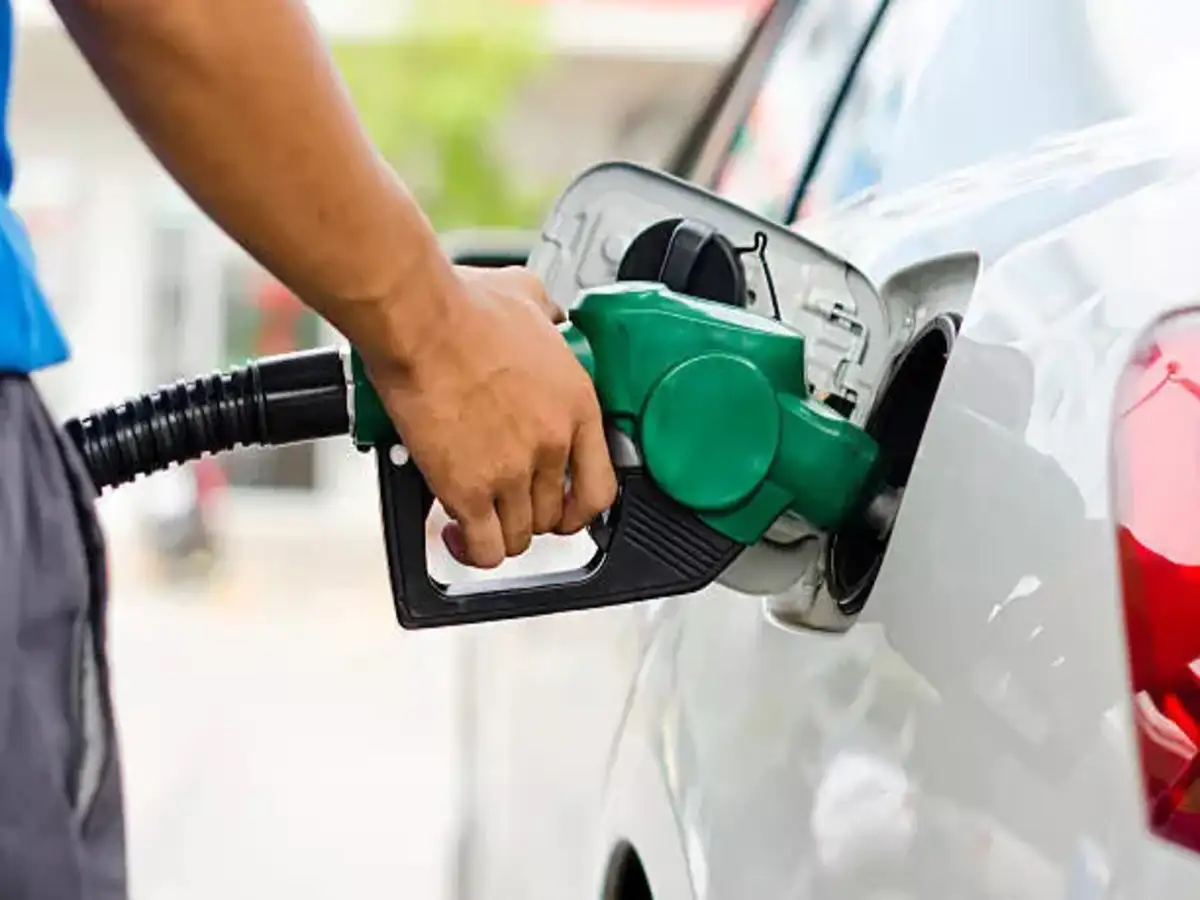
Delhi will deny fuel to vehicles without a valid Pollution Under Control certificate from December 18, marking one of the capital’s most direct enforcement measures to curb vehicular emissions amid persistently poor air quality. The move, announced by the city’s environment department, positions fuel access as a compliance lever at a time when transport emissions remain a major contributor to urban pollution.
Officials said vehicle owners were given a brief compliance window to update their emission certificates before the restriction comes into force. Petrol pumps across the capital will be required to check PUC validity before dispensing fuel, a step aimed at discouraging the use of highly polluting vehicles on city roads. An official described the measure as “a behavioural nudge backed by enforcement” rather than a blanket ban on mobility. Delhi’s air quality has deteriorated sharply in recent weeks, with particulate levels regularly breaching ‘very poor’ and ‘severe’ categories. While winter meteorological conditions play a role, transport experts note that ageing vehicles and inconsistent emission compliance significantly worsen ground-level pollution. Industry analysts say linking fuel supply to emission certification could create a stronger incentive for routine vehicle maintenance.
Government representatives argue that air quality outcomes this year have been comparatively better over extended periods than in the previous year, crediting sustained interventions rather than episodic emergency measures. These include intensified checks on polluting vehicles, expansion of monitoring infrastructure, and targeted action in identified pollution hotspots across the city. Urban infrastructure officials highlighted parallel efforts to address non-vehicular pollution sources. Measures underway include the reduction of legacy waste mounds, land reclamation projects, and stricter oversight of waste-processing facilities. Authorities claim these steps are intended to tackle pollution at its source rather than rely solely on seasonal restrictions.
The transport transition forms a central pillar of the city’s longer-term strategy. Plans are in motion to scale up electric public transport fleets, with thousands of electric buses expected to be added over the coming years. Urban mobility planners say cleaner buses, combined with tighter private vehicle regulation, could significantly cut transport-related emissions if supported by reliable charging infrastructure and last-mile connectivity. Policy experts caution that enforcement-led measures must be accompanied by accessible compliance systems to avoid inequitable outcomes.
“PUC enforcement works best when testing centres are widespread, transparent, and affordable,” said an urban sustainability researcher, adding that citizen trust is crucial for long-term success.As Delhi grapples with the economic and health costs of polluted air, the fuel restriction signals a shift towards accountability-driven urban governance. Whether it delivers sustained improvements will depend on consistent enforcement, public cooperation, and continued investment in cleaner, more inclusive mobility systems.
Delhi Bans Fuel For Vehicles Without Valid PUC From December 18 Onwards