


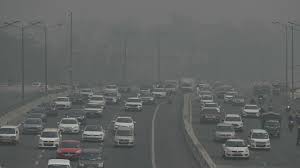
Delhi has commenced a stringent ban on fuel supply to older vehicles, effective July 1, 2025, marking a decisive escalation in the capital’s battle against severe air pollution. This enforcement targets petrol vehicles older than 15 years and diesel vehicles older than 10 years, leveraging advanced technology for compliance. The initiative underscores a critical commitment to fostering a zero net carbon, eco-friendly urban environment and enhancing public health through sustainable mobility solutions.
The implementation of this fuel ban is a direct consequence of landmark judicial directives aimed at cleansing Delhi’s notoriously polluted air. A 2018 Supreme Court judgment explicitly prohibited diesel vehicles older than 10 years and petrol vehicles older than 15 years from operating in the capital. This was preceded by a 2014 National Green Tribunal (NGT) order that further restricted the parking of vehicles aged over 15 years in public places. These rulings collectively form the legal bedrock for the current enforcement drive, reflecting a sustained judicial push for environmental accountability in one of the world’s most polluted cities.
To ensure strict compliance, the Delhi government has deployed a comprehensive enforcement mechanism. Automatic Number Plate Recognition (ANPR) cameras have been strategically installed at nearly 350 petrol pumps across the national capital. These AI-powered cameras are designed to instantly detect non-compliant vehicles, triggering automated hooter systems to alert petrol pump staff. Upon detection, fuel stations are directed to deny service, and non-compliant vehicles face immediate impounding. This multi-agency operation involves personnel from the Transport Department, Delhi Police, Traffic Police, and the Municipal Corporation of Delhi (MCD), working in coordinated teams to ensure rigorous enforcement and maintain law and order.
The drive, which commenced at 6 AM on Tuesday, July 1, 2025, signifies a non-negotiable stance on vehicular emissions. Sub-Inspector Dharamveer of the Transport Enforcement team confirmed the strict directives issued to petrol pumps, while Assistant Sub-Inspector Jagan Lal of Delhi Traffic Police highlighted the use of central databases for real-time vehicle verification. This blend of cutting-edge technology and on-ground enforcement aims to create a robust deterrent against the operation of polluting vehicles. For citizens, this means a clear imperative to transition to newer, more compliant vehicles, albeit posing a significant financial adjustment for some segments of the population.
From an environmental perspective, the ban is a crucial step towards mitigating vehicular pollution, a primary contributor to Delhi’s hazardous air quality. Older vehicles, particularly diesel ones, are known to emit higher levels of particulate matter and nitrogen oxides, which are detrimental to public health and the environment. By removing these high-polluting vehicles from the roads, the policy contributes directly to reducing airborne pollutants, improving ambient air quality, and moving the city closer to its zero net carbon goals. This initiative aligns with broader global efforts to promote sustainable urban mobility and transition towards cleaner transportation systems.
Moreover, the policy has significant implications for equitable and gender-neutral urban development.
Cleaner air benefits all residents, reducing the incidence of respiratory illnesses and improving overall public health outcomes. Vulnerable populations, including children, the elderly, and those with pre-existing health conditions, often bear a disproportionate burden of air pollution, making such measures vital for social equity. While the ban presents challenges for individuals who may rely on older, more affordable vehicles, the long-term societal benefits of improved air quality and a healthier environment are paramount. The success of this drive will depend on sustained enforcement, public cooperation, and potentially, supportive measures to facilitate the transition for affected vehicle owners.
Also Read :Kharghar Resident Questions Need for Duplicate Bus Stop Nearby
