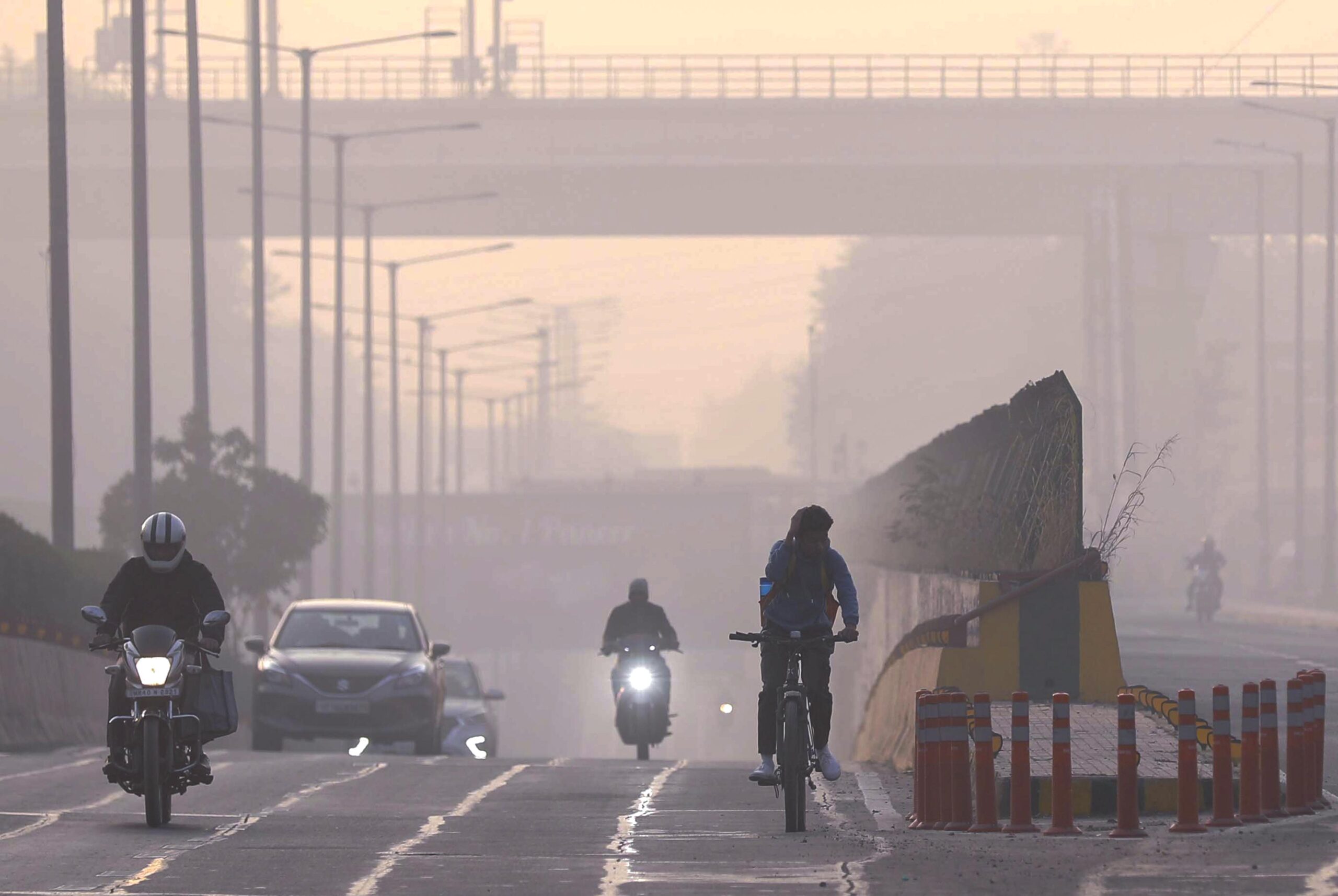
A spell of rain and gusty winds has led to a temporary improvement in Delhi’s air quality, with the city recording a Delhi AQI of 123, placing it in the “moderate” category. While the shift offers short-term relief from pollution, experts caution that such gains remain weather-driven and highlight deeper structural challenges in managing urban air quality. Monitoring data across several parts of the capital indicates that pollution levels have eased following recent atmospheric changes. Areas known for consistently higher pollution loads, including major transport and industrial corridors, reported readings within the same moderate band. This suggests a broader, city-wide impact of the changing weather rather than isolated improvements.
Meteorological conditions have played a decisive role in this transition. Rainfall helps settle airborne particulate matter, while stronger winds aid in dispersing pollutants. Together, these factors reduce concentration levels in the short term. However, urban planners and environmental analysts point out that reliance on weather variability is not a sustainable pathway for long-term air quality management. The current Delhi AQI level, although improved, still carries health implications. Air in the moderate category can trigger respiratory discomfort among vulnerable populations, including children, older adults and individuals with pre-existing conditions. For a city with high population density and exposure levels, even moderate pollution can translate into significant public health concerns. From an infrastructure and planning perspective, the episodic nature of these improvements reinforces the need for systemic interventions. Transport emissions, construction activity, industrial output and regional pollution sources continue to contribute to baseline pollution levels. Without addressing these factors, air quality is likely to deteriorate once favourable weather conditions recede.
Urban development experts emphasize the importance of integrating clean air strategies into city planning frameworks. This includes expanding public transport networks, accelerating the transition to cleaner fuels, and strengthening enforcement of emission norms. At the same time, green infrastructure—such as urban forests, biodiversity parks and decentralized ecological systems—can support pollution mitigation efforts when implemented at scale. Weather forecasts suggest that similar conditions, including cloud cover and intermittent rainfall, may persist in the near term. While this could help maintain relatively improved air quality, it also introduces challenges for urban management, particularly in handling drainage, traffic movement and public safety during sudden weather shifts. The broader implication is clear: while favourable weather can temporarily improve the Delhi AQI, it cannot substitute for sustained policy and infrastructure action. Cities must move towards resilience-based planning that reduces pollution at source rather than depending on external atmospheric factors.
As Delhi continues to navigate fluctuating environmental conditions, the focus is expected to shift towards long-term solutions that balance growth with sustainability. The current improvement offers a window of opportunity to reinforce these strategies before pollution levels rise again with changing weather patterns.