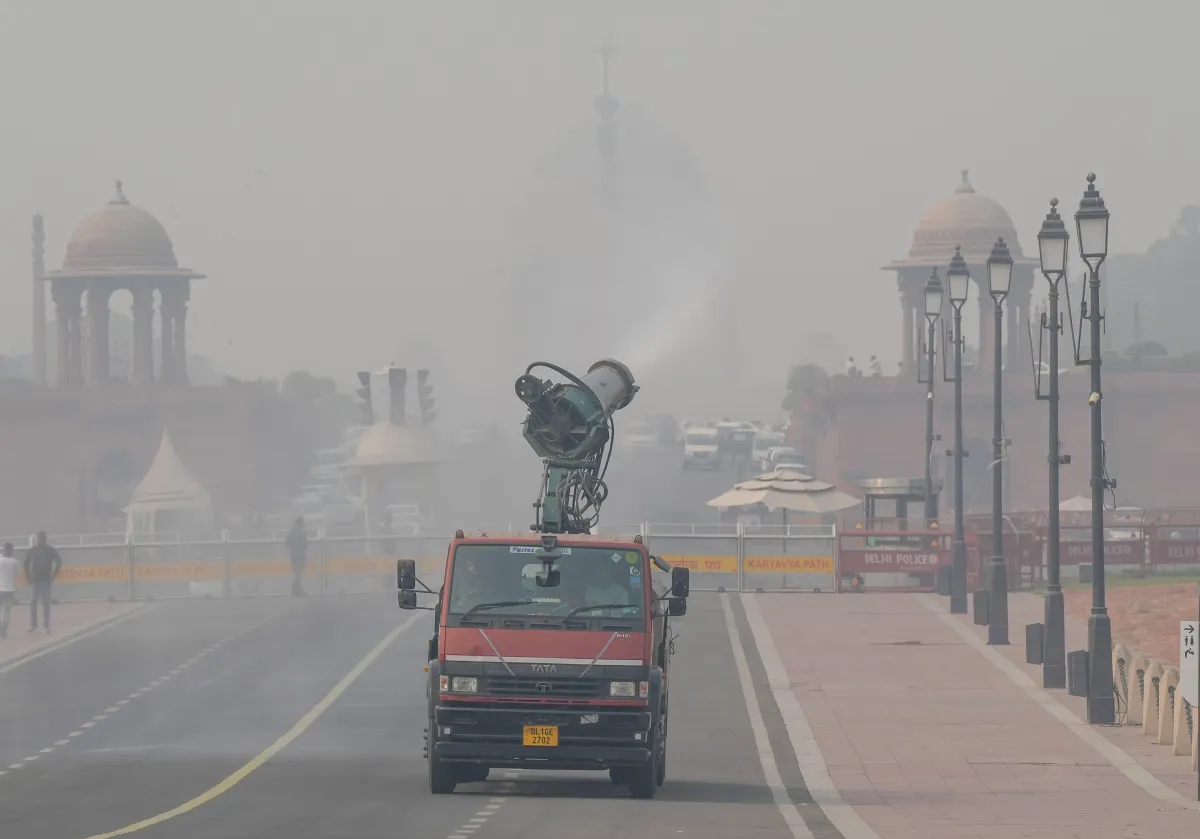
Delhi’s air quality slipped deeper into the ‘poor’ category on Wednesday, with the citywide AQI 294 reflecting a steady build-up of pollutants across multiple monitoring stations. The deterioration, recorded by the Central Pollution Control Board, comes despite forecasts of largely clear skies highlighting how structural emission sources continue to outweigh short-term meteorological relief.
Data from monitoring stations show several high-density and transport-heavy zones breaching the 300 mark, including industrial and traffic corridors in east, north and outer Delhi. In parts of west and central Delhi, readings approached the upper end of the ‘poor’ band, with some locations nearing the ‘very poor’ threshold. Neighbouring Noida also reported elevated pollution levels, reinforcing the regional nature of the crisis. Air quality experts note that calm morning winds, light mist and localised emissions from traffic, construction dust and industrial activity can combine to trap pollutants close to the surface, even when daytime skies appear clear.
The India Meteorological Department has forecast seasonal temperatures, with daytime highs in the mid-twenties Celsius and cooler nights. While north-westerly winds are expected to strengthen later in the day, their intensity may not be sufficient to significantly disperse accumulated particulate matter. The persistence of AQI 294 conditions underscores the scale of Delhi’s long-term air management challenge. Road dust, vehicular exhaust and secondary particulate formation remain dominant contributors. Deteriorating road surfaces and high traffic volumes in commercial districts further aggravate emissions, linking transport planning directly to public health outcomes.
In response to recurring spikes, the city administration has expanded its real-time monitoring network. With the recent addition of six Continuous Ambient Air Quality Monitoring System stations, Delhi now operates 46 such facilities the largest urban network of its kind in India. Multiple agencies, including the city pollution control body and national regulators, manage the system. Authorities have also deployed dedicated enforcement teams and mobile monitoring units to track violations related to emissions and construction dust. Urban policy specialists argue that while enforcement is critical, sustained gains depend on structural shifts: cleaner public transport, electrification of vehicle fleets, mechanised road sweeping and stricter building site compliance.
For the real estate and infrastructure sector, recurring AQI 294 episodes carry tangible implications. Prolonged pollution affects worker productivity, project timelines during restricted construction phases and investor perception of urban liveability. Schools, offices and outdoor markets often adjust operations when pollution levels remain elevated.
Environmental planners maintain that clear skies alone do not guarantee clean air. Without consistent emission reduction across transport, industry and waste management, episodic improvements are unlikely to endure.As Delhi moves through the late winter transition period, the interplay between weather conditions and anthropogenic emissions will remain decisive. The coming weeks will test whether enhanced monitoring and enforcement can stabilise air quality before the onset of summer dust cycles.