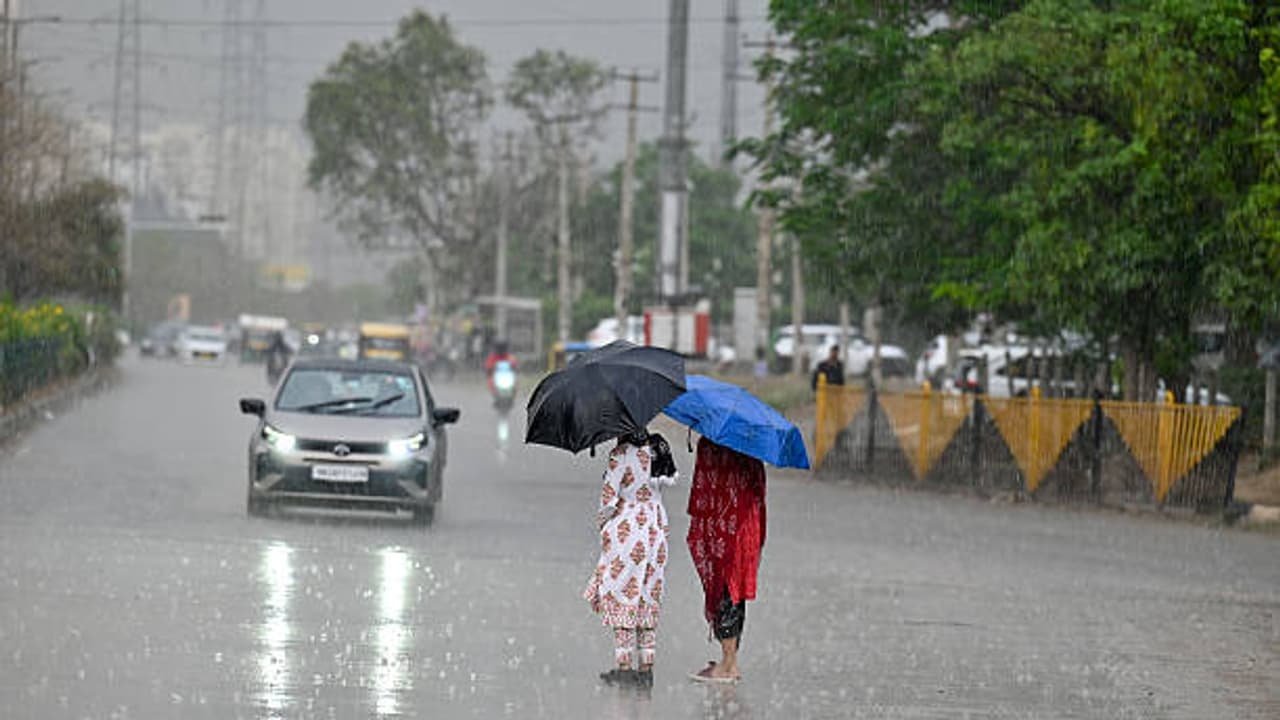
Delhi experienced an unusually cool spell this week as rainfall, cloud cover and strong winds pushed daytime temperatures well below seasonal averages, marking one of the mildest April conditions the city has recorded in over a decade. Weather observations from the capital’s primary meteorological station indicate that the maximum temperature dropped significantly, offering rare early-summer relief while also improving air quality levels across the region. The Delhi April weather pattern stood out for its sharp departure from typical conditions associated with the onset of summer in northern India. The city recorded a daytime temperature of just over 28°C, nearly seven degrees lower than the long-term average for this time of year. Meteorological records show that such low April readings have been uncommon in recent years, reflecting the influence of large-scale atmospheric systems affecting northwest India.
Rainfall and gusty winds contributed to the temperature decline. The city’s primary weather station reported measurable precipitation within a 24-hour observation window, while scattered rainfall was also observed in several other monitoring locations across the capital. These conditions helped suppress dust levels in the air — a frequent environmental concern during the dry pre-monsoon months. Meteorological experts attribute the Delhi April weather change to a western disturbance moving across parts of north India. These systems originate over the Mediterranean region and typically bring moisture, cloud formation and precipitation to the Himalayan belt and adjoining plains. When such disturbances coincide with seasonal temperature transitions, they can temporarily moderate heat conditions across the region. Alongside cooler temperatures, air quality in Delhi showed notable improvement. The city’s Air Quality Index entered the “satisfactory” category during the same period, reflecting reduced particulate pollution levels. Environmental analysts point out that rainfall and wind activity often play a short-term role in dispersing airborne pollutants and controlling road dust — one of the major contributors to particulate pollution in Delhi.
Across different weather observatories in the capital, temperature readings remained consistently below normal levels. Both daytime highs and night-time lows were recorded several degrees lower than the seasonal average, reinforcing the extent of the temporary cooling trend. However, meteorologists caution that such relief may be short-lived. Forecast models indicate that clearer skies and rising temperatures are likely to return over the coming days as the weather system moves eastward and atmospheric conditions stabilise. In northern plains regions like Delhi, April temperatures can rise rapidly once cloud cover dissipates. Urban climate researchers note that such fluctuations highlight the growing complexity of weather patterns in large cities. Rapid urbanisation, changing land use and climate variability are increasingly influencing how metropolitan areas experience seasonal transitions. While cooler spells offer short-term respite, long-term urban climate planning remains essential for managing extreme heat events that typically intensify later in the summer.
For city residents, the recent Delhi April weather shift offered a brief pause before the peak summer months. For urban planners and climate specialists, it also underscored the importance of resilient city design — including green spaces, heat mitigation strategies and sustainable infrastructure — to cope with increasingly unpredictable weather conditions in the years ahead.