Delhi Approves New Metro Links To Expand Urban Mobility Network
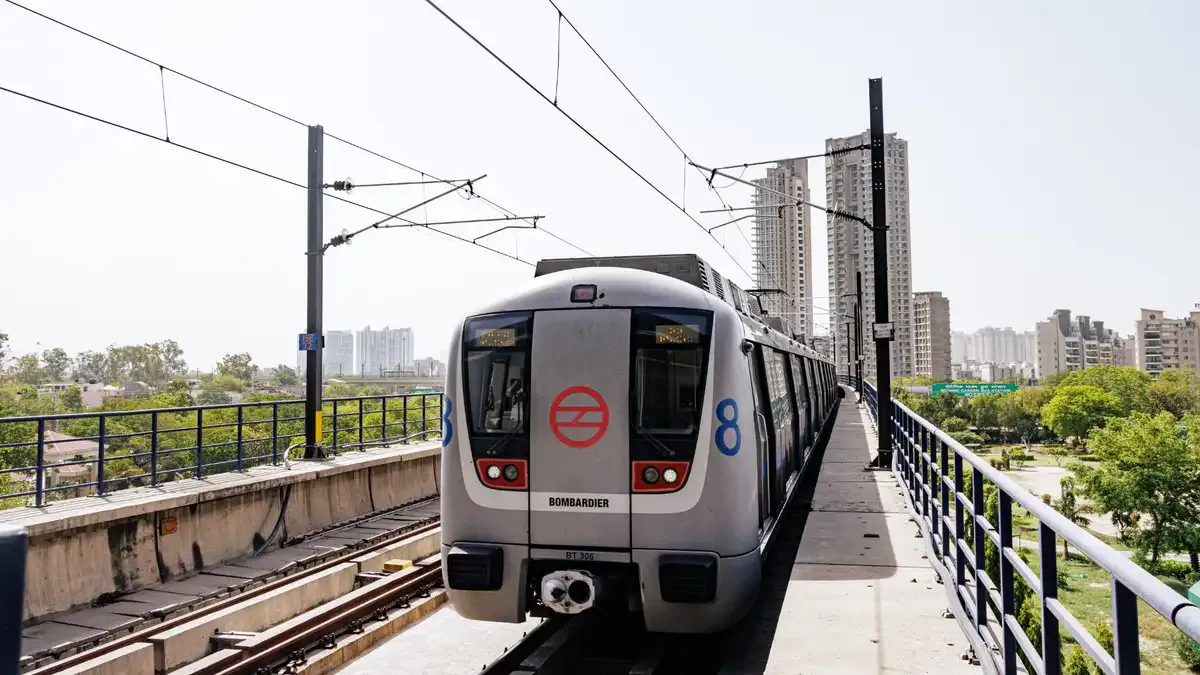
Delhi’s transport infrastructure strategy is entering another phase of expansion after the city government approved three new metro corridors expected to extend rapid transit coverage across key administrative, residential and airport zones. The proposed projects form part of the Delhi Metro Phase V expansion, a programme designed to strengthen urban mobility while reducing dependence on private vehicles in the national capital. The approved projects together span roughly 16 kilometres and will introduce 13 new stations across the network. Officials expect the new lines to be completed by 2028, adding capacity to one of the largest urban rail systems in Asia and improving connectivity between major employment centres, government districts and transport hubs.
According to planning authorities, the combined investment for the new corridors exceeds ₹12,000 crore, with funding shared between the national and city governments. The majority of the stations will be built underground, reflecting the complexity of constructing transit infrastructure within densely built urban areas and historic precincts. Urban planners say the Delhi Metro Phase V expansion will play an important role in supporting the capital’s long-term sustainability goals. High-capacity rail transit is widely considered essential for reducing road congestion, improving air quality and enabling compact, transit-oriented urban growth in rapidly expanding cities. The longest of the proposed corridors will connect a central administrative district with the Indraprastha area through a nearly 10-kilometre underground route. The alignment is expected to pass through several key civic zones, linking government offices, cultural institutions and major public spaces to the metro network. Transport analysts believe this connection could significantly improve commuting options for thousands of employees working in government complexes and nearby commercial districts.
A second corridor will create a short but strategic link between an existing metro station near the international airport district and the domestic airport terminal. Urban mobility experts note that such airport connectors can reduce reliance on taxis and private vehicles, helping manage congestion around aviation hubs while providing faster public transport access for travellers and airport workers. The third corridor is planned to extend metro services deeper into south and south-east Delhi, areas that have experienced rapid population growth but still face uneven transit connectivity. Improved rail access could shorten commute times for residents and enhance links to employment centres across the city. Infrastructure economists suggest metro expansions often generate wider economic and urban benefits beyond mobility. Areas located near new stations frequently experience improved property values, increased commercial activity and stronger integration with the formal city economy. From a climate perspective, expanding public transport networks is also a key strategy for reducing emissions in megacities. By encouraging a shift from petrol and diesel vehicles to electric rail systems, metro projects can contribute to cleaner urban air and lower carbon intensity in daily commuting.
With planning approvals in place, the next stage will involve detailed design, land coordination and construction contracts. Transport experts say the pace of execution will determine how quickly the Delhi Metro Phase V expansion translates into improved mobility and more sustainable urban travel for the capital’s growing population.