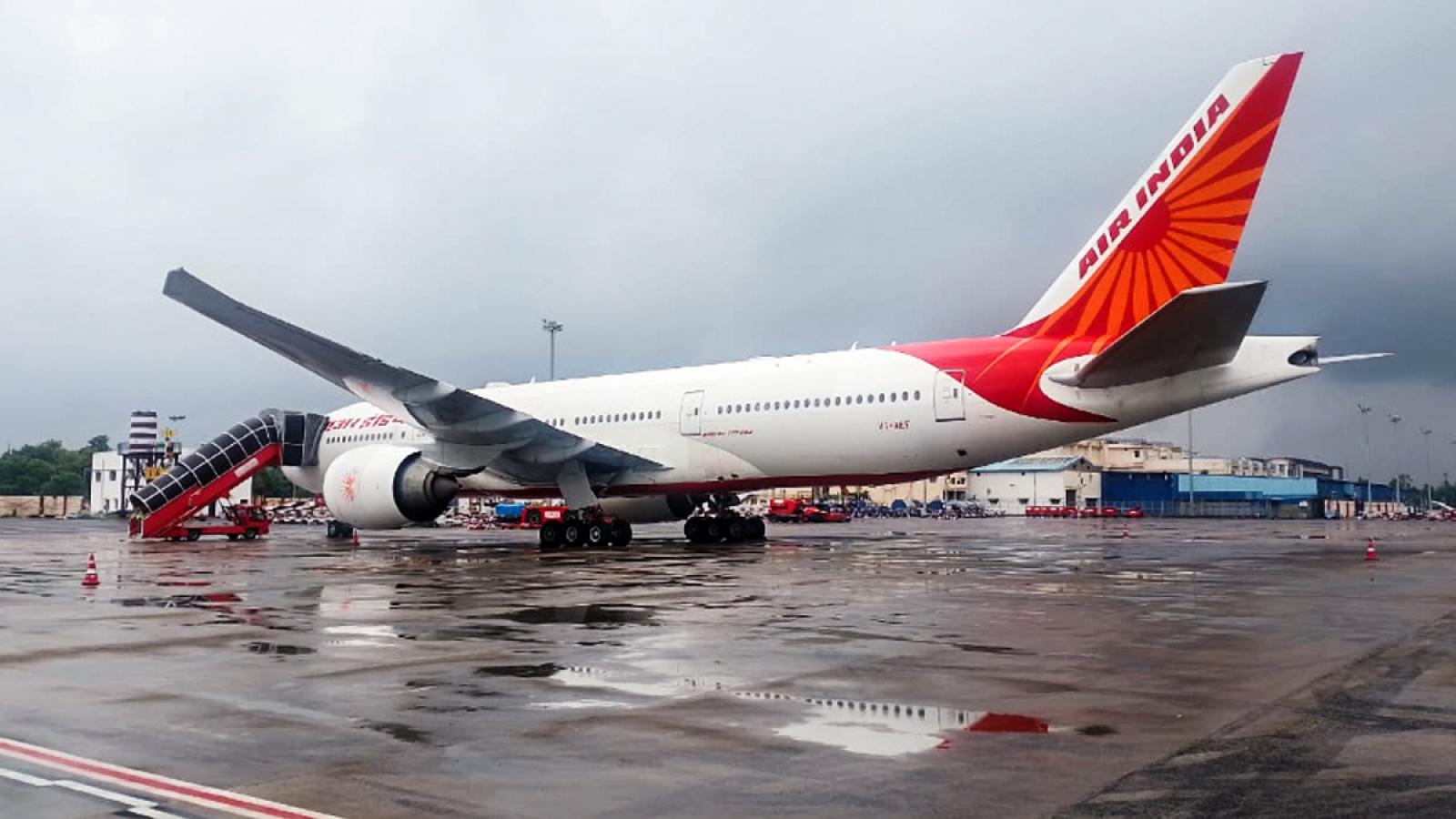
A routine taxiing movement at Delhi’s Indira Gandhi International Airport escalated into a major aviation safety incident this week after a wide-body Air India aircraft sustained engine damage caused by foreign object ingestion. While no injuries were reported, the episode has triggered regulatory scrutiny and renewed questions about ground safety management at one of India’s busiest aviation hubs, with implications for passenger confidence, airport operations, and long-haul connectivity.
The aircraft, an Airbus A350 operating an international service, had returned to Delhi after departing earlier due to airspace constraints over West Asia. Following a precautionary landing in dense fog conditions, the jet was moving from the runway towards its parking stand when a loose cargo container on the taxiway was drawn into one of its engines. The aircraft was carrying more than 200 passengers and crew at the time, and operations were halted immediately after the incident.
According to officials familiar with the matter, the container had detached from a ground-handling cart used for baggage and cargo movement. With visibility compromised and multiple vehicles operating in close coordination, the container was left unattended on a critical intersection of the taxiway. Aviation safety protocols require strict monitoring of Foreign Object Debris (FOD), particularly during low-visibility operations, making the lapse significant.
India’s civil aviation regulator has ordered a detailed investigation, examining ground-handling practices, equipment maintenance, and compliance with airport movement area protocols. The damaged aircraft has been grounded, leading to expected service adjustments across select long-haul routes operated by Air India’s A350 fleet. Industry analysts note that even a single wide-body grounding can disrupt network planning, increase operational costs, and strain already tight aircraft availability. Beyond airline operations, the incident highlights the growing complexity of airport ground infrastructure in rapidly expanding urban regions. Delhi airport handles hundreds of aircraft movements daily, alongside cargo logistics, refuelling, and maintenance operations. As Indian cities position themselves as global aviation and business hubs, the reliability of airside infrastructure and workforce capacity becomes a critical component of urban economic resilience.
Urban planners and transport experts point out that aviation safety is increasingly linked to broader city systems, including workforce training, automation of ground services, and climate-adaptive infrastructure. Fog-related disruptions are expected to intensify with changing climate patterns, placing additional pressure on airports to invest in advanced monitoring systems and stricter operational discipline.
The regulator had previously flagged gaps across the aviation ecosystem, from faded markings to staffing constraints and procedural deviations. This latest incident reinforces the need for coordinated reforms that go beyond reactive enforcement, focusing instead on systemic risk reduction.As India expands its airport network and modernises fleets, ensuring safe, efficient ground operations will be as critical as airspace management. For passengers and cities alike, the focus now shifts to whether lessons from this episode translate into tangible improvements on the tarmac.
Delhi Airport Safety Lapse Grounds Air India Jet