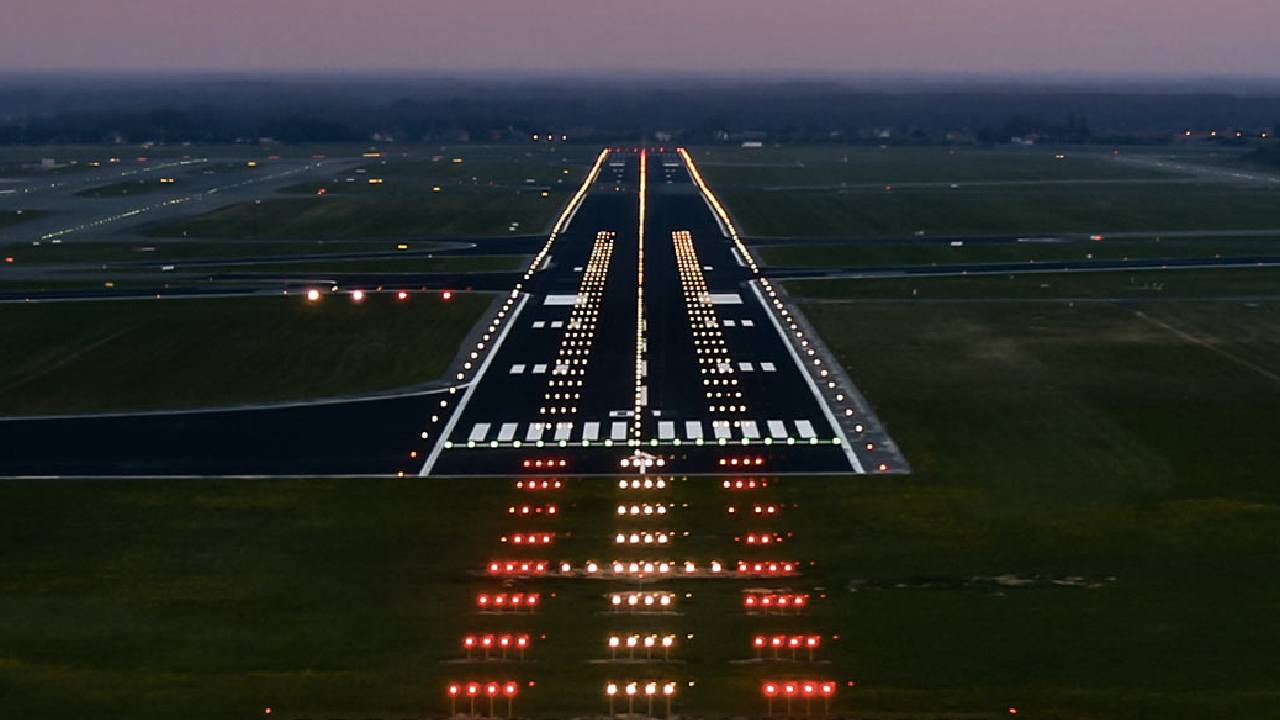
A five-month closure of one of Delhi’s main runways beginning mid-February marks a significant moment in the capital’s aviation and infrastructure trajectory, signalling how India’s busiest airport is preparing for the next phase of air traffic growth while balancing safety, efficiency and urban resilience. The runway slated for refurbishment has been in continuous operation for nearly two decades, placing it among the most intensively used aviation assets in the country. Its temporary withdrawal from service for structural and navigational upgrades reflects a broader shift in airport management from reactive maintenance towards planned, lifecycle-based infrastructure renewal.
According to officials familiar with the project, the work will include resurfacing the pavement, creating a new rapid exit taxiway to reduce runway occupancy time, and installing a modern Instrument Landing System to support safer landings during low visibility. While these are technical interventions, their implications extend far beyond the tarmac.Delhi airport runway operations sit at the core of northern India’s economic connectivity. Any prolonged shutdown would typically raise concerns over congestion, delays and airline costs. However, airport planners have indicated that flight movement capacity will remain unchanged during the closure, with scheduling and air traffic control protocols recalibrated to absorb the temporary loss of one runway.
This operational confidence reflects how major Indian airports are increasingly being designed as flexible systems rather than fixed assets. Aviation analysts note that such adaptability is becoming critical as climate volatility, traffic growth and urban density converge around key transport nodes. From a business perspective, the timing and scale of the Delhi airport runway upgrade send a message to investors and airlines alike: infrastructure reliability is being prioritised even if it requires short-term disruption. This is particularly relevant as the capital competes with emerging aviation hubs across Asia for transit traffic, cargo flows and global connectivity.
There is also a wider urban planning dimension. Airports are no longer isolated transport facilities but catalysts for commercial real estate, logistics parks and employment clusters. Ensuring that the core aviation infrastructure remains resilient directly supports the viability of surrounding aerotropolis-style developments and transit-oriented corridors. Sustainability considerations are quietly embedded in such upgrades. New-generation landing systems and optimised taxiway layouts can reduce aircraft idling time, fuel burn and emissions incremental but meaningful contributions to lowering the carbon footprint of aviation operations in dense metropolitan regions.
Urban infrastructure experts argue that such planned closures are preferable to unplanned failures, which carry far greater economic and reputational costs. They also highlight the importance of transparent coordination between airport operators, regulators and airlines to ensure passenger confidence remains intact. While travellers are unlikely to notice visible changes during the closure period, the benefits will become apparent over time through smoother operations, fewer weather-related diversions and enhanced safety margins.As India’s cities expand vertically and outward, the durability of core transport infrastructure will increasingly define their competitiveness and liveability. In that sense, the Delhi airport runway upgrade is not just an aviation project it is a reminder that sustainable urban growth depends as much on invisible engineering as on iconic skylines.The real test will lie in how seamlessly the refurbished runway reintegrates into operations by mid-year, setting a benchmark for future airport modernisation across the country.