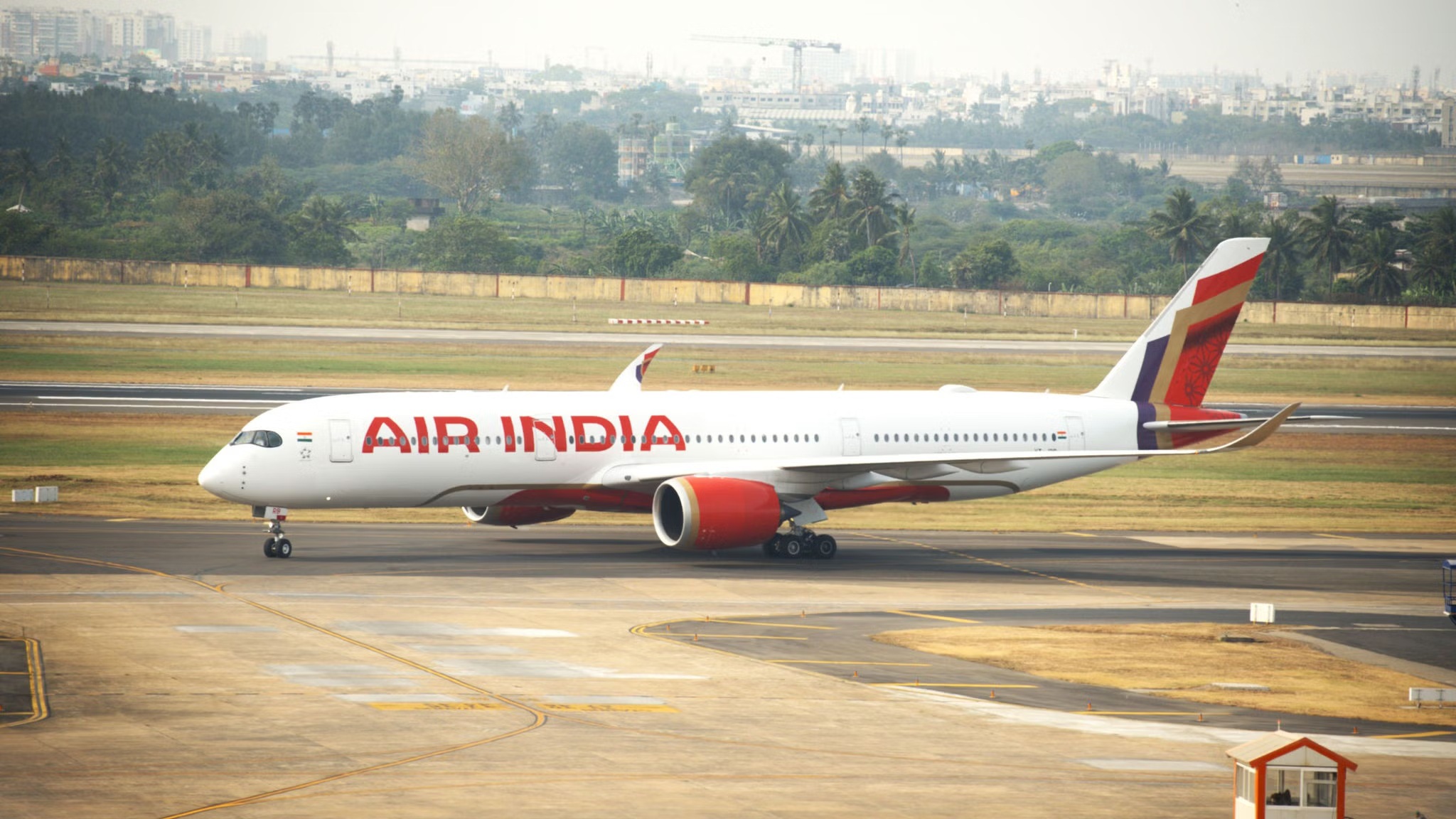
Delhi’s Indira Gandhi International Airport (DEL) experienced significant operational disruptions on Wednesday, with 22 arriving flights diverted due to severe weather conditions. The diversions, prompted by thunderstorms and dust storms, affected passengers, cargo movement, and the broader air transport network servicing India’s busiest airport, which handles more than 1,300 daily aircraft movements. The diversions, confirmed by aviation monitoring platforms, included flights rerouted to neighbouring airports such as Lucknow, Amritsar, and Udaipur. One notable instance involved an Air India service from Mumbai diverted to Udaipur, while other flights from Nagpur and Goa were redirected to Amritsar and Lucknow, reflecting the challenges of maintaining schedule integrity under adverse weather conditions.
Meteorological authorities had issued an orange alert for Delhi, signalling strong winds, rainfall, and reduced visibility. Senior aviation experts explain that such conditions necessitate precautionary measures, including rerouting aircraft, to ensure passenger safety and prevent accidents during approach or landing. These events underscore the vulnerability of high-density airports to sudden weather shifts, particularly during transitional seasons when dust storms and early pre-monsoon rains are common. Flight delays compounded operational pressure, with departures and arrivals delayed by 30 to 90 minutes. Industry analysts note that these disruptions ripple across the domestic aviation network, affecting connecting flights, cargo logistics, and airport staffing requirements. At peak traffic periods, even minor diversions can strain airport resources, from air traffic control coordination to ground handling services.
Urban transport planners highlight that extreme weather events, including dust storms and thunderstorms, are becoming increasingly frequent due to climate variability. Airports and city infrastructure must integrate real-time meteorological data with operational contingency planning to mitigate impacts on both passengers and the broader logistics network. Improved forecasting, flexible slot management, and collaboration with regional airports are key measures in enhancing resilience. For travellers, these diversions meant re-routing, extended travel times, and adjustments to onward connections. Airport officials advised passengers to monitor real-time flight updates and coordinate with airlines for rescheduling or alternative arrangements. While safety remained the top priority, these disruptions also underline the economic implications of weather-induced delays, particularly for a hub that facilitates millions of domestic and international passengers annually.
Looking forward, stakeholders in aviation and urban planning emphasise strengthening early warning systems and contingency protocols at high-traffic airports. Integration of climate-resilient infrastructure and adaptive scheduling can reduce operational bottlenecks, ensuring that weather-induced events do not compromise efficiency or safety in the capital’s aviation ecosystem.