


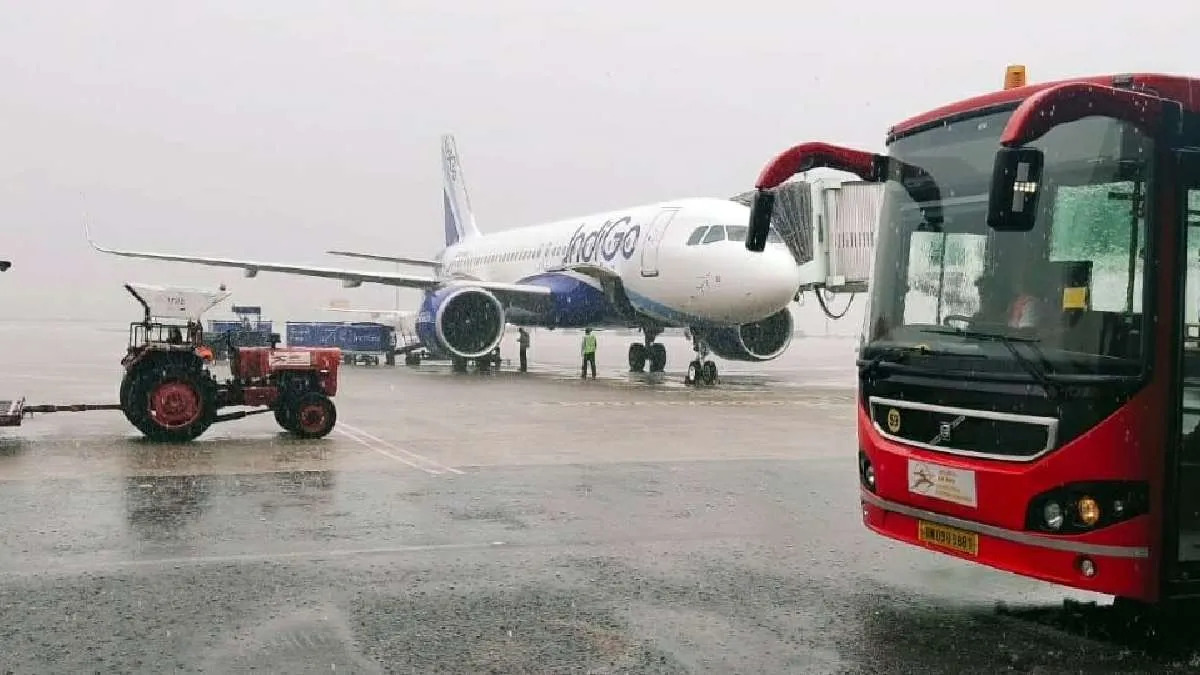
Delhi’s Indira Gandhi International Airport (IGIA) experienced significant disruption over the weekend as an intense downpour, a likely consequence of shifting climate patterns, paralysed both air and ground transportation. The event, which saw over 300 flights delayed and several cancellations, has thrust the capital’s infrastructure resilience into the spotlight, raising critical questions about the city’s preparedness for extreme weather events and its commitment to building truly sustainable and equitable urban centres. The chaos, while providing a temporary respite from the heat, underscored a systemic fragility that affects all citizens, from business travellers to daily commuters, and highlights the urgent need for a cohesive strategy that integrates climate-resilient planning with smart, eco-friendly infrastructure.
The impact of the heavy rain extended far beyond the airport terminals. Key thoroughfares across the city, including Panchkuian Marg, Mathura Road, and Connaught Place, were severely waterlogged, leading to widespread traffic congestion and bringing daily life to a standstill. Major airlines, including Air India and IndiGo, issued advisories urging passengers to allocate extra time for their journeys, a clear indicator that the city’s ground mobility network could not cope with the volume of rainfall. This scenario is a powerful demonstration of how interdependent urban systems are; a single weather event can overwhelm inadequate drainage and road infrastructure, which in turn cripples aviation and business activities. Experts and officials have noted that this recurrent flooding points to a deep-seated issue with the city’s aging drainage systems, which are ill-equipped to handle the intensified monsoons now being witnessed.
In the pursuit of becoming a zero-net-carbon city, Delhi must confront the reality that its current infrastructure is not prepared for the consequences of climate change. The frequent waterlogging not only causes immense inconvenience but also has environmental repercussions, as stagnant water can become a breeding ground for diseases and pose a public health risk. A more sustainable approach would involve a complete overhaul of the city’s stormwater management, moving away from reactive solutions like pumping out water and towards proactive, eco-friendly strategies. This includes investments in green infrastructure such as permeable pavements, rooftop rainwater harvesting, and the restoration of natural wetlands to absorb excess water. Such measures would not only mitigate flooding but also recharge groundwater levels and enhance urban biodiversity.
This crisis also exposes an issue of equity. While officials work to manage the situation, the burden of the disruption falls disproportionately on vulnerable communities, including daily wage earners who rely on uninterrupted transport to reach their workplaces. The universal nature of travel delays, while seemingly gender-neutral, can create heightened stress for all, particularly those with childcare responsibilities or inflexible work schedules. This underscores the need for city planning that prioritises not only efficiency but also fairness. The event serves as a clear call to action for urban planners and policymakers to prioritise investments in resilient infrastructure that can withstand the shocks of a changing climate, ensuring that progress towards sustainability is not at the expense of equitable access and mobility for all citizens. Moving forward, the city must implement solutions that are both technologically advanced and socially conscious, safeguarding the well-being of its diverse population.
Also Read :Mumbai Airport Glitch Causes Flight Delays Due to Third-Party Network Outage
