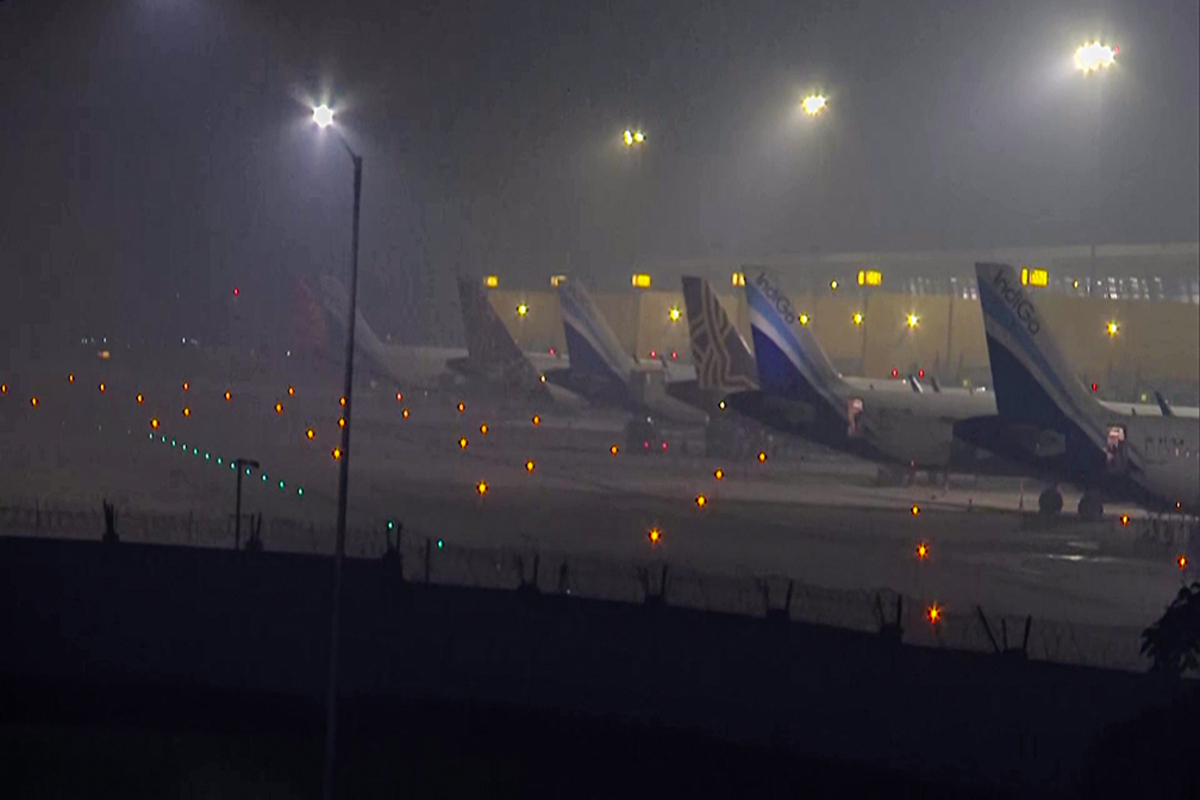
Delhi airport authorities have issued an urgent passenger advisory after severe weather conditions in Leh disrupted scheduled flight operations, causing inconvenience for travellers. The notice came as North India recorded its wettest monsoon in over a decade, raising concerns over aviation safety and urban resilience in extreme climate events.
Officials confirmed that flight services to Leh were impacted due to persistent poor visibility and adverse atmospheric conditions, forcing airlines to delay or cancel operations. Passengers were urged to remain in touch with their respective carriers for real-time updates. Airport representatives stated that they were closely coordinating with airlines and ground-handling staff to reduce delays and support affected travellers.This disruption highlights how India’s aviation network remains vulnerable to climate variability. Leh, located at high altitude in the fragile Himalayan belt, often faces weather-induced turbulence. The ongoing monsoon has exacerbated these challenges, with rainfall recorded at 20 per cent above normal the highest since 2013. Such fluctuations not only disrupt travel but also underline the pressing need for adaptive transport planning in a warming climate.
Air travel is one of the most carbon-intensive modes of transport. Experts argue that while short-term advisories ease immediate operational pressures, the longer-term challenge lies in building climate-resilient infrastructure. Airports in sensitive geographies such as Leh require more robust weather-prediction technology, advanced communication systems, and sustainable operational buffers to ensure continuity of services during extreme weather spells.
Authorities also face the parallel challenge of balancing operational efficiency with passenger comfort. Cancellations and delays strain airport resources, from overcrowded terminals to excess fuel burn during rescheduled flights. Aviation analysts suggest that adopting greener scheduling practices and enhancing multimodal connectivity such as improved rail and road alternatives for high-risk routes could reduce passenger dependency on short-haul flights vulnerable to disruption.
The Delhi airport’s move to issue timely advisories is part of a larger shift towards proactive passenger communication. Officials noted that announcements were made on digital platforms and within terminals to keep travellers informed, a practice increasingly vital in maintaining trust during service disruptions. The wettest monsoon in a decade has raised broader questions about the preparedness of Indian cities and transport systems for climate extremes. While aviation remains central to connectivity, the push towards sustainable, carbon-neutral urban development is now more urgent than ever. As weather disruptions intensify, India’s transport hubs will need to innovate and adapt to serve the dual goals of mobility and environmental sustainability.
Delhi airport advisory issued as bad weather disrupts Leh flights