


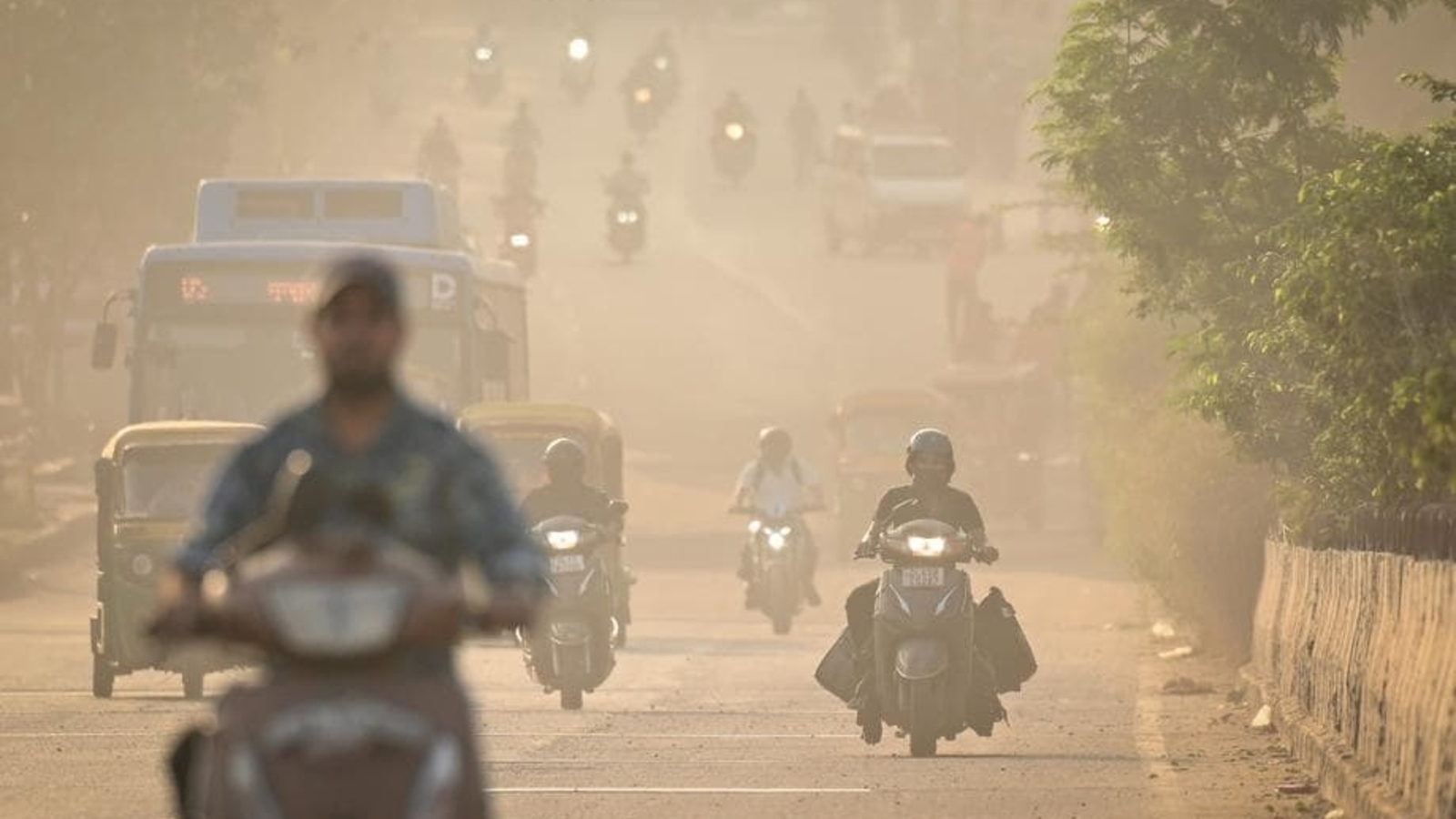
Delhi is grappling with deteriorating air quality as multiple areas across the city recorded ‘very poor’ pollution levels on October 16, 2025. According to real-time data from the Early Warning System (EWS), the city’s AQI hit 233 by early Thursday morning, with Anand Vihar emerging as the most polluted area at an AQI of 339. Dwarka Sector-8 and Mathura Road followed closely at 338 and 311, respectively.
The India Meteorological Department (IMD) and Central Pollution Control Board (CPCB) data indicate that several other localities, including Wazirpur, Bawana, and Shadipur, are experiencing poor to very poor air quality. The overall AQI for Delhi-NCR is expected to rise further, potentially surpassing the ‘very poor’ threshold by October 17. Experts point out that the surge in pollution comes on the back of seasonal changes post-monsoon, along with the resumption of construction activities that contribute to dust pollution. The IMD has highlighted that temperature fluctuations, coupled with calm wind conditions, exacerbate pollutant concentration in the city’s atmosphere.
Health authorities have issued urgent advisories, urging residents to minimise outdoor exposure, particularly the elderly, children, and individuals with respiratory conditions. Officials recommend wearing protective masks and avoiding outdoor exercise or jogging. Schools and workplaces have also been advised to take precautionary measures to safeguard vulnerable populations. Anand Vihar’s consistent ranking among the most polluted areas underscores the city’s chronic air quality challenges. High traffic density, industrial emissions, and ongoing urban development contribute to localised spikes in pollutants. Civic experts emphasise that without systemic interventions—such as stricter construction regulations, expansion of green cover, and real-time monitoring—the city will continue facing periodic hazardous air quality episodes.
Authorities have pledged intensified monitoring and coordination with environmental agencies to mitigate rising pollution levels. The CPCB has confirmed that targeted action plans, including vehicular emission checks and dust control measures, are being implemented in hotspots across Delhi-NCR. While rain is predicted in some regions, officials caution that transient weather changes may not provide long-term relief. Experts advocate sustainable urban planning, promotion of electric vehicles, and a transition to cleaner fuels as key measures to address the recurring pollution crisis in the capital.
Delhi’s worsening air quality reiterates the urgent need for collective action from civic authorities, environmental experts, and citizens to safeguard public health and ensure a breathable city atmosphere in the long term.
Also Read : Delhi NCR records 16°C low temperature as air quality remains poor
