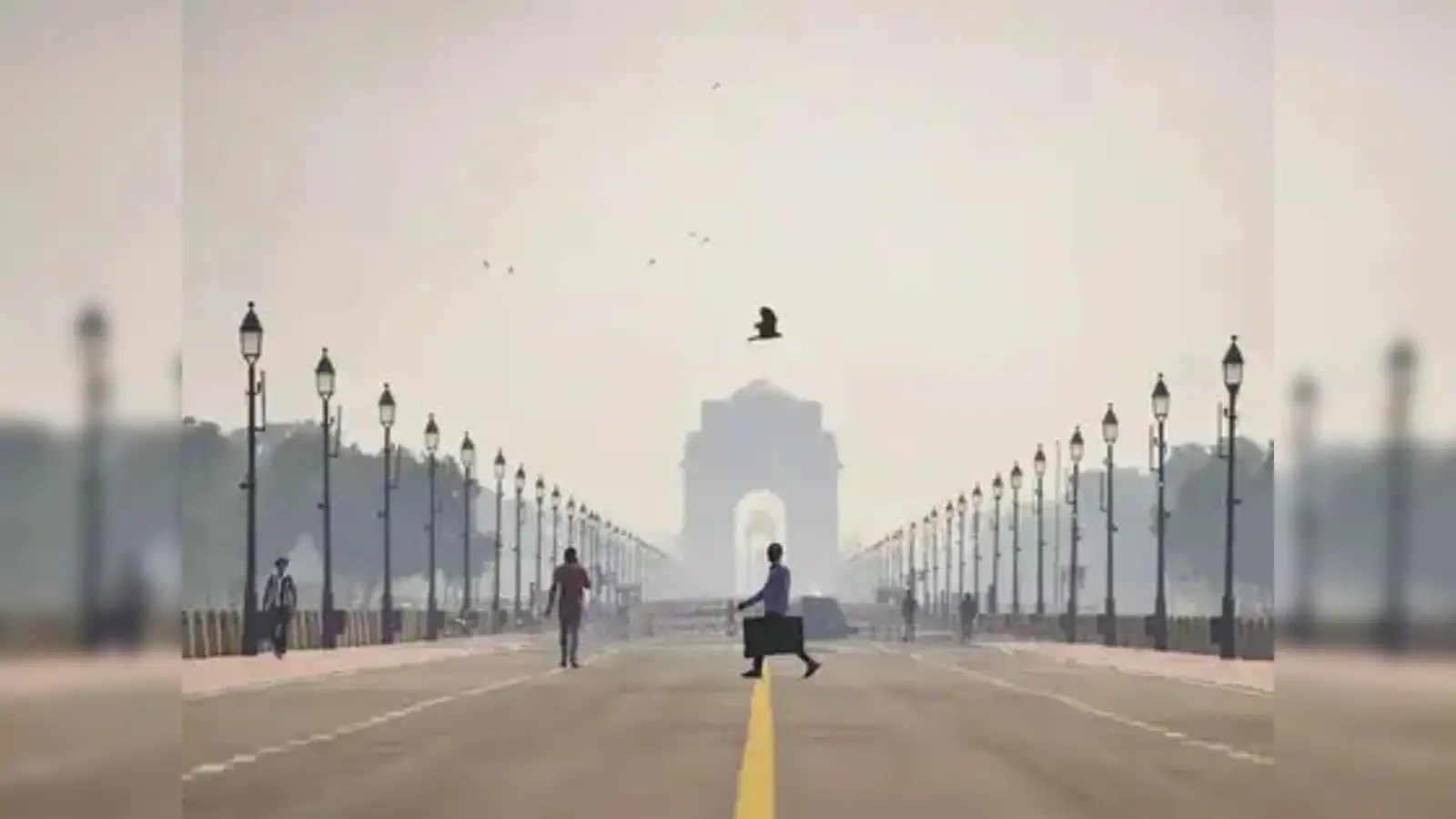
Delhi’s winter air has once again plunged into the ‘very poor’ range, with a new analysis indicating that the capital’s pollution levels remain elevated despite a notable decline in crop-burning activity in neighbouring states. The findings point towards a deeper challenge: the city’s own emissions are now driving the bulk of its toxic air, signalling the limits of short-term seasonal measures and the need for structural interventions across transport, energy, waste, and construction systems.
The assessment, conducted by a leading environmental think tank using data from the Central Pollution Control Board, shows a persistent daily build-up of PM2.5 alongside nitrogen dioxide and carbon monoxide pollutants closely associated with high traffic volumes and widespread combustion sources. Experts involved in the study observed that even as external contributors such as farm fires waned, the city’s air failed to show proportionate improvement, underlining the strengthening influence of localised emissions.
A senior researcher associated with the analysis noted that Delhi’s long-term pollution trend has plateaued rather than improved, suggesting that incremental measures are insufficient. They emphasised the need for comprehensive planning that addresses mobility behaviour, industrial operations, decentralised waste management, and efficient energy use in homes. The expert added that addressing these issues is central not only to cleaner air but also to building a city that is healthier, more resilient, and equitable.
One of the more worrying insights from the report is the frequency with which carbon monoxide levels exceeded prescribed limits. Nearly two dozen monitoring stations registered breaches of the eight-hour standard on more than half the days reviewed, pointing to the scale of traffic-linked emissions. Locations such as Dwarka Sector 8, Jahangirpuri, and the Delhi University North Campus emerged as severe hotspots, reflecting high population density and mobility pressure.Urban planners highlight that the spatial spread of poor air quality across NCR indicates a systemic challenge rather than isolated pockets of pollution. With the winter inversion limiting dispersion of pollutants, even moderate emissions sources can accumulate rapidly, affecting health, productivity, and quality of life. This creates heightened vulnerability for low-income and outdoor workers, reinforcing the need for cleaner mobility networks, greener industrial estates, and well-enforced construction norms.
While various policy measures from emission controls to public transport expansion have made progress, experts argue that deeper structural shifts are required to meaningfully cut emissions. These include low-emission zones, cleaner freight logistics, electric mobility infrastructure, and scaled-up renewable power integration. Such interventions not only reduce pollution but also support the transition toward a zero-carbon and more inclusive urban future.As Delhi heads into the peak winter period, the findings reaffirm that building cleaner air depends less on seasonal firefighting and more on addressing the city’s core urban systems. Long-term planning, multi-city coordination, and citizen-centric initiatives will be crucial for protecting public health and securing a sustainable built environment.
Delhi Air Quality Stays Very Poor As Local Emissions Keep Rising