


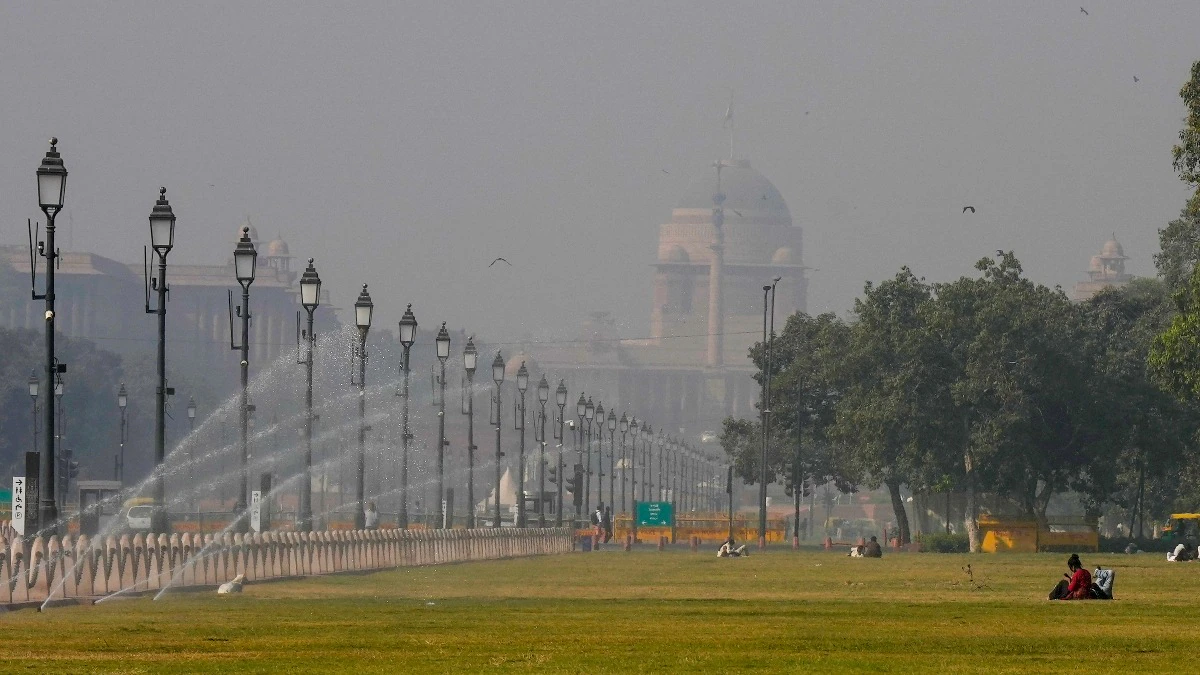
Delhi has recorded its cleanest July air in the last ten years, with the average Air Quality Index (AQI) falling to a commendable 79, placing it firmly in the “satisfactory” category. This substantial improvement comes as part of a wider trend, with the national capital witnessing 118 days of satisfactory or moderate air quality so far this year, according to recent data released by the Central Pollution Control Board (CPCB).
This July’s air quality marks a significant departure from previous years. In 2024, the city reported an average AQI of 96 for July. Comparatively, July 2023 stood at 83.67, while the worst air quality in the past decade occurred in July 2016, with a hazardous AQI average of 145.64. The recent numbers show a clear shift towards better air conditions over the years, indicating the possible long-term effects of sustained government-led interventions and environmental reforms. The CPCB categorises air quality into six bands: ‘Good’ (0-50), ‘Satisfactory’ (51-100), and ‘Moderate’ (101-200). Beyond these thresholds, the levels are deemed unsafe for public health. With an average AQI of 79, July 2025’s performance underlines notable progress, especially when viewed in the context of worsening global urban air pollution trends.
Government officials have credited this improved air quality to a combination of strategies targeting pollution sources. These include stricter vehicular emission norms, enhanced surveillance on construction activities, anti-dust campaigns, increased green cover in urban pockets, and the promotion of public transport. An official from the Delhi environment department noted that efforts in 2025 have already surpassed previous years, stating, “The capital has achieved 118 clean air days within just seven months, exceeding the annual number recorded in 2016.”
The improved air quality is also attributed to favourable meteorological conditions, including intermittent rainfall that has helped reduce pollutant concentration. Authorities, however, remain cautious about the upcoming months when pollution typically spikes. As a proactive step, cloud seeding is being considered during peak pollution seasons later in the year. As Delhi moves forward in its journey towards environmental sustainability, experts highlight the importance of sustained policy enforcement and citizen participation. The air quality gains, though encouraging, are still fragile and can be reversed without continued vigilance.
While the current statistics provide optimism, the city’s commitment to cleaner air must now expand to include robust planning for winter months, traditionally known for severe air quality dips. With strategic intervention and broad-based public support, Delhi could potentially set a new precedent for metropolitan resilience in the face of climate and environmental challenges.
Also Read : Mumbai Weather Alert: Cloudy Conditions, Rainfall Likely Throughout Day
