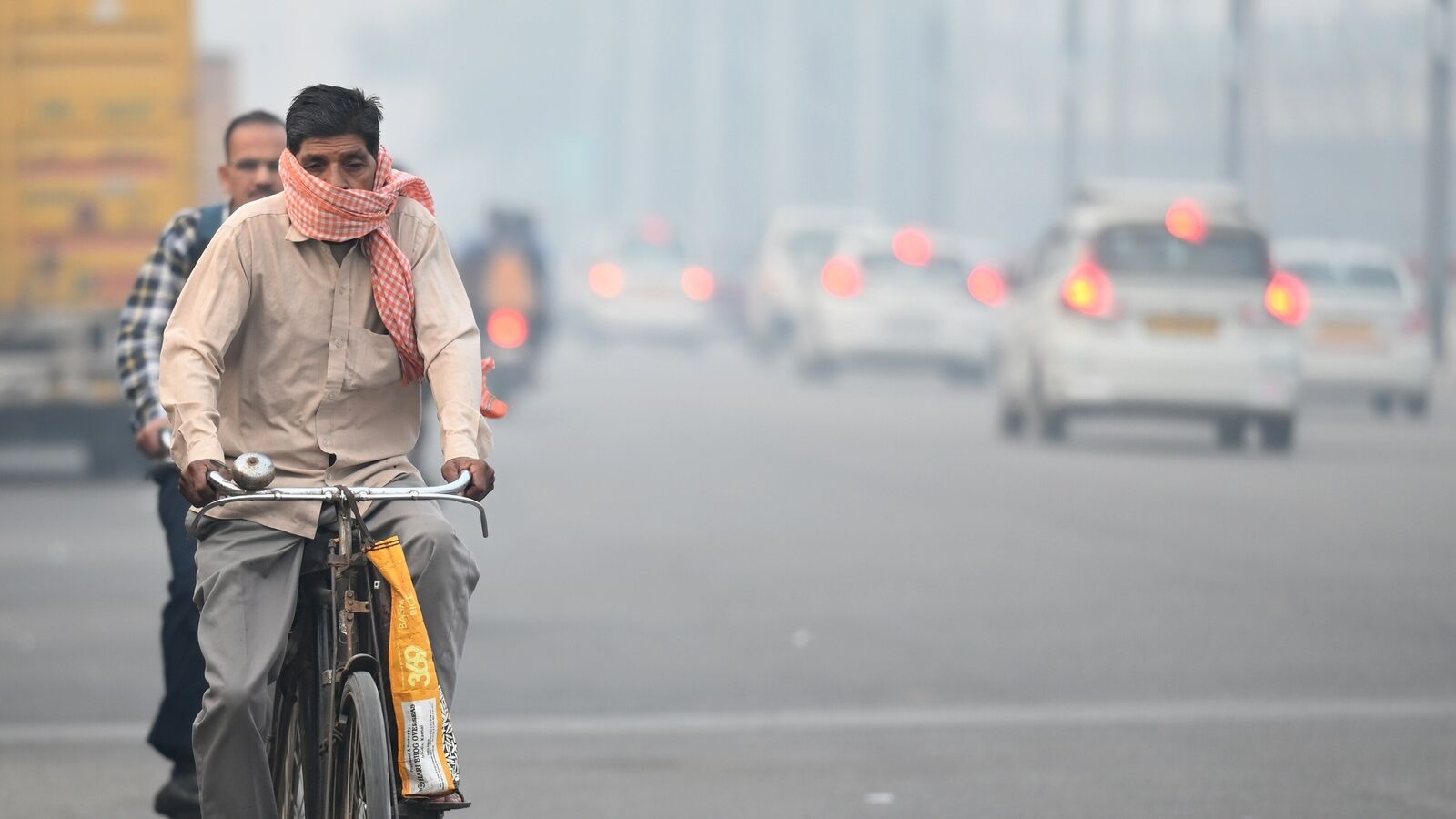
A rare spell of rainfall and unseasonal cooling has delivered a temporary but significant improvement in Delhi air quality, offering residents of Delhi a brief respite after months of persistent pollution. The shift, driven by a combination of atmospheric conditions, highlights both the fragility of urban air systems and the dependence on weather events for short-term relief. Data from monitoring agencies show that the city’s Air Quality Index (AQI) dropped into the ‘satisfactory’ category for the first time in several months, following sustained rainfall and high humidity levels. According to the India Meteorological Department, this improvement coincided with an unusual late-March weather pattern marked by low temperatures, dense fog, and lingering cloud cover.
Meteorologists explain that rainfall plays a critical role in cleansing the atmosphere through a process known as wet deposition, where airborne pollutants are washed out. In this instance, consistent precipitation combined with light winds prevented the re-suspension of dust, allowing particulate matter levels to fall sharply. At the same time, high humidity contributed to the formation of visible haze, often mistaken for smog, but largely driven by moisture interacting with fine particles. The result has been a paradoxical situation: reduced pollution levels alongside foggy conditions that mimic poor air quality. Experts note that such episodes can obscure public perception, even as actual pollutant concentrations decline. This distinction is crucial for urban policymakers, particularly in cities where air quality data increasingly informs health advisories and infrastructure decisions. Despite the improvement, environmental analysts caution that the gains in Delhi air quality are likely to be short-lived.
Once dry conditions return and temperatures rise, dust resuspension, vehicular emissions, and construction activity are expected to push pollution levels back up. This recurring cycle underscores a structural challenge — the city continues to rely heavily on favourable weather rather than systemic emission reductions. From an urban planning perspective, the episode reinforces the need for long-term interventions. Measures such as electrification of public transport, stricter control of construction dust, decentralised waste management, and expansion of green cover are critical to sustaining cleaner air beyond episodic weather-driven relief. Industry observers also highlight the role of building design and materials in reducing dust generation and improving indoor air quality. The broader weather system influencing Delhi has also affected parts of northern India, bringing rainfall, lower temperatures, and shifting wind patterns. While these conditions have temporarily altered pollution dynamics, they also point to increasing climate variability — a factor that is likely to complicate air quality management in the future.
With temperatures expected to rise in the coming days, the window of cleaner air may close quickly. For residents and policymakers alike, the episode serves as a reminder that while nature can offer brief relief, achieving sustained improvements in Delhi air quality will depend on coordinated, long-term urban and environmental strategies.