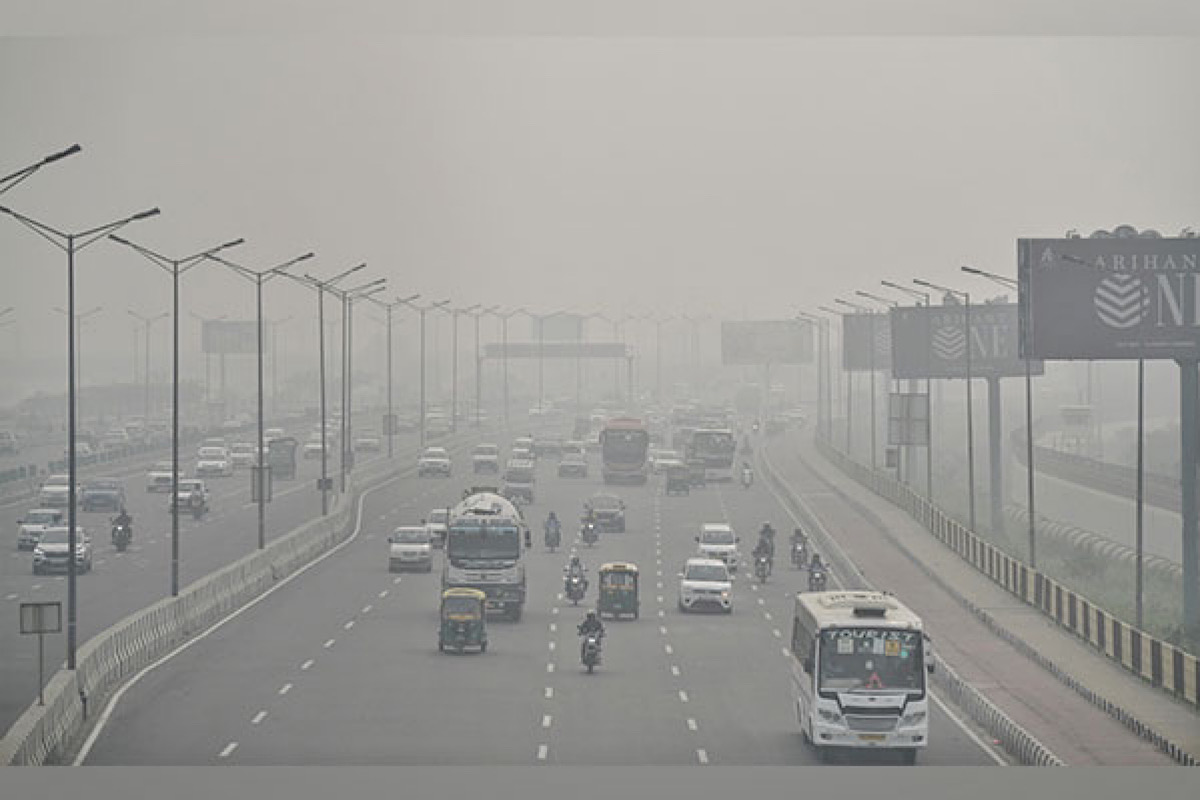
Delhi began the day under a dense blanket of cold air and heavy pollution, with air quality slipping deeper into the “very poor” to “severe” range across large parts of the capital. The combination of stagnant winter winds, falling temperatures and persistent emissions has once again brought Delhi’s air pollution challenge into sharp focus, with implications extending well beyond public health to urban productivity, mobility and economic resilience.
Data from official monitoring stations showed the citywide Air Quality Index crossing 350 early Wednesday, signalling conditions that pose heightened health risks for residents. Several residential and industrial zones recorded readings exceeding 400, reflecting severe pollution hotspots that disproportionately affect lower-income communities, outdoor workers and those living near traffic corridors and industrial clusters. Urban health experts note that such episodes are no longer isolated events but part of a recurring winter pattern driven by meteorological conditions and structural emission sources. Low temperatures and calm winds trap pollutants close to the ground, while emissions from vehicles, construction activity, power generation and regional biomass burning continue to accumulate. For a city of Delhi’s scale, this recurring cycle underscores the cost of delayed transition to cleaner transport, energy-efficient buildings and low-emission construction practices.
The cold wave gripping the capital has added another layer of stress. Early morning temperatures dropped close to near-freezing levels, intensifying demand for heating and increasing vulnerability among the homeless, elderly and children. Dense fog in parts of the city disrupted visibility, slowing road traffic and raising safety concerns for commuters and logistics operators. For businesses, especially those reliant on just-in-time deliveries and outdoor labour, deteriorating air quality combined with extreme cold translates into lost hours and rising operational costs.
Comparisons with other major Indian cities highlight the scale of Delhi’s challenge. While several metros reported moderate to satisfactory air quality levels, the capital remains an outlier during winter months. Urban planners point out that Delhi’s land-use patterns, heavy dependence on private vehicles, and concentration of economic activity amplify pollution exposure, making long-term planning critical rather than episodic emergency responses.
The timing is particularly sensitive as the city prepares for large-scale national events and increased public movement. Authorities are monitoring conditions closely, but experts argue that short-term restrictions alone cannot offset structural gaps in urban design. Investments in reliable public transport, electrification of vehicle fleets, cleaner construction methods and regional coordination on air-shed management are increasingly seen as economic necessities rather than environmental add-ons. As Delhi navigates another severe winter pollution spell, the focus is shifting towards resilience how cities can protect public health while sustaining economic activity. The coming weeks will test whether policy coordination across transport, housing and energy can move beyond reactive measures towards durable solutions for cleaner urban air.
Delhi Air Pollution Worsens Amid Cold Wave