Delhi Air Pollution Plan Targets Transport And Dust
Delhi has unveiled a comprehensive strategy to curb deteriorating air quality, combining stricter vehicle regulations, infrastructure upgrades and technology-led monitoring as part of a wider Delhi Air Pollution Plan aimed at tackling the capital’s chronic pollution crisis. The policy framework, announced following a high-level government review, outlines targeted interventions across multiple sectors including transport, construction, waste management and industrial emissions. Authorities say the programme is designed to shift the city towards cleaner mobility and more sustainable urban systems while delivering measurable reductions in particulate pollution.
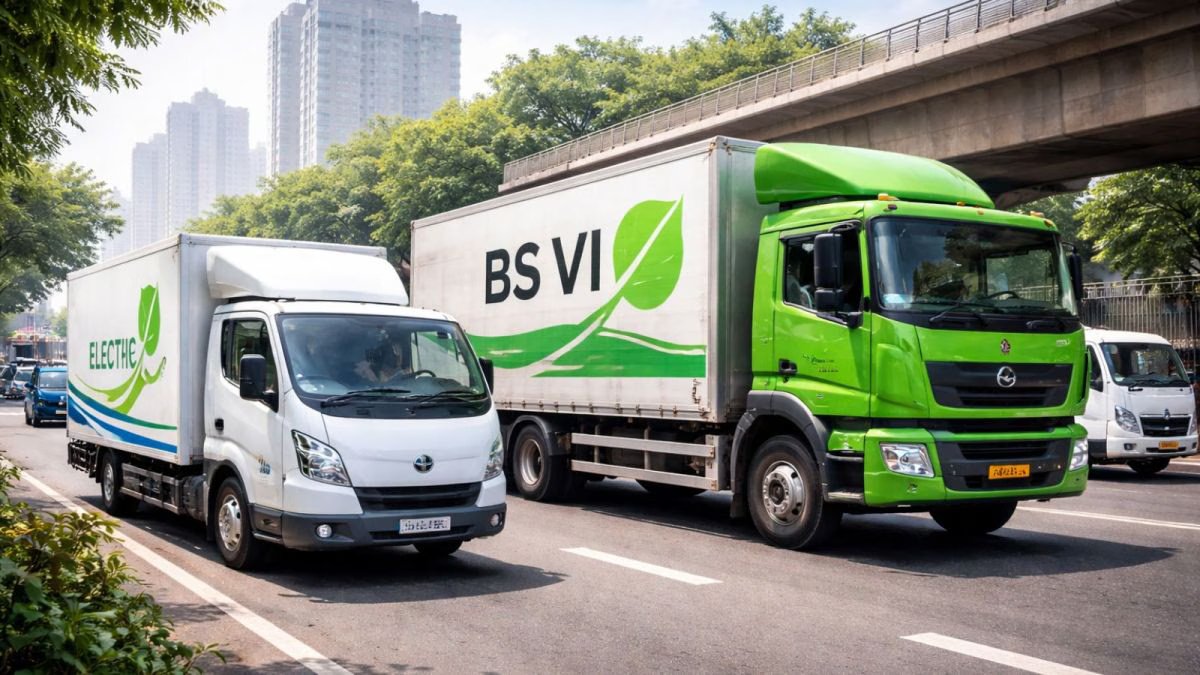
One of the most significant measures under the Delhi Air Pollution Plan involves restricting entry of goods vehicles into the capital beginning November unless they comply with the latest emission standards or run on cleaner fuels such as compressed natural gas or electricity. Officials say the move addresses a long-standing concern over heavy-duty diesel vehicles that contribute significantly to the city’s air pollution. Authorities also plan to strictly enforce compliance checks on vehicle emissions. Digital monitoring technologies, including automated number plate recognition cameras, will be used to ensure that vehicles without valid pollution certificates cannot refuel within city limits. Transport officials note that stronger enforcement mechanisms are essential to discourage non-compliant vehicles and ensure accountability. Beyond vehicle regulation, the government has identified 62 high-congestion traffic locations where engineering and operational interventions will be introduced to reduce idling time and vehicular emissions. Urban mobility experts say such targeted congestion management can significantly cut pollution by improving traffic flow and lowering fuel consumption in heavily used corridors. Public transport expansion is another cornerstone of the plan. Authorities aim to significantly increase the size of the city’s bus fleet over the coming years, with a growing share expected to be electric.
Improved integration between metro services, regional rapid transit systems and feeder networks is also being planned to strengthen last-mile connectivity and reduce dependence on private vehicles. The Delhi Air Pollution Plan also addresses non-transport sources of pollution. Construction-related emissions, a major contributor to particulate matter levels in urban areas, will be monitored through an upgraded digital platform that uses geotagging and real-time compliance tracking. At the same time, the city intends to expand its capacity to process construction and demolition debris to ensure safer disposal and recycling. Officials indicated that emergency measures may also be activated during periods of severe pollution. These could include staggered office timings, remote work options and temporary restrictions on highly polluting vehicles to reduce immediate pressure on air quality. Urban planners say the effectiveness of the programme will depend on coordination between multiple agencies and consistent enforcement. If implemented effectively, the policy could help reshape mobility patterns while reinforcing the transition toward cleaner fuels and sustainable urban infrastructure.
As Delhi continues to grapple with rising pollution levels driven by rapid urbanisation, policymakers view the new framework as a step towards building a more resilient and healthier metropolitan environment for residents.