Delhi Air Pollution Plan Targets Eleven Key Sectors
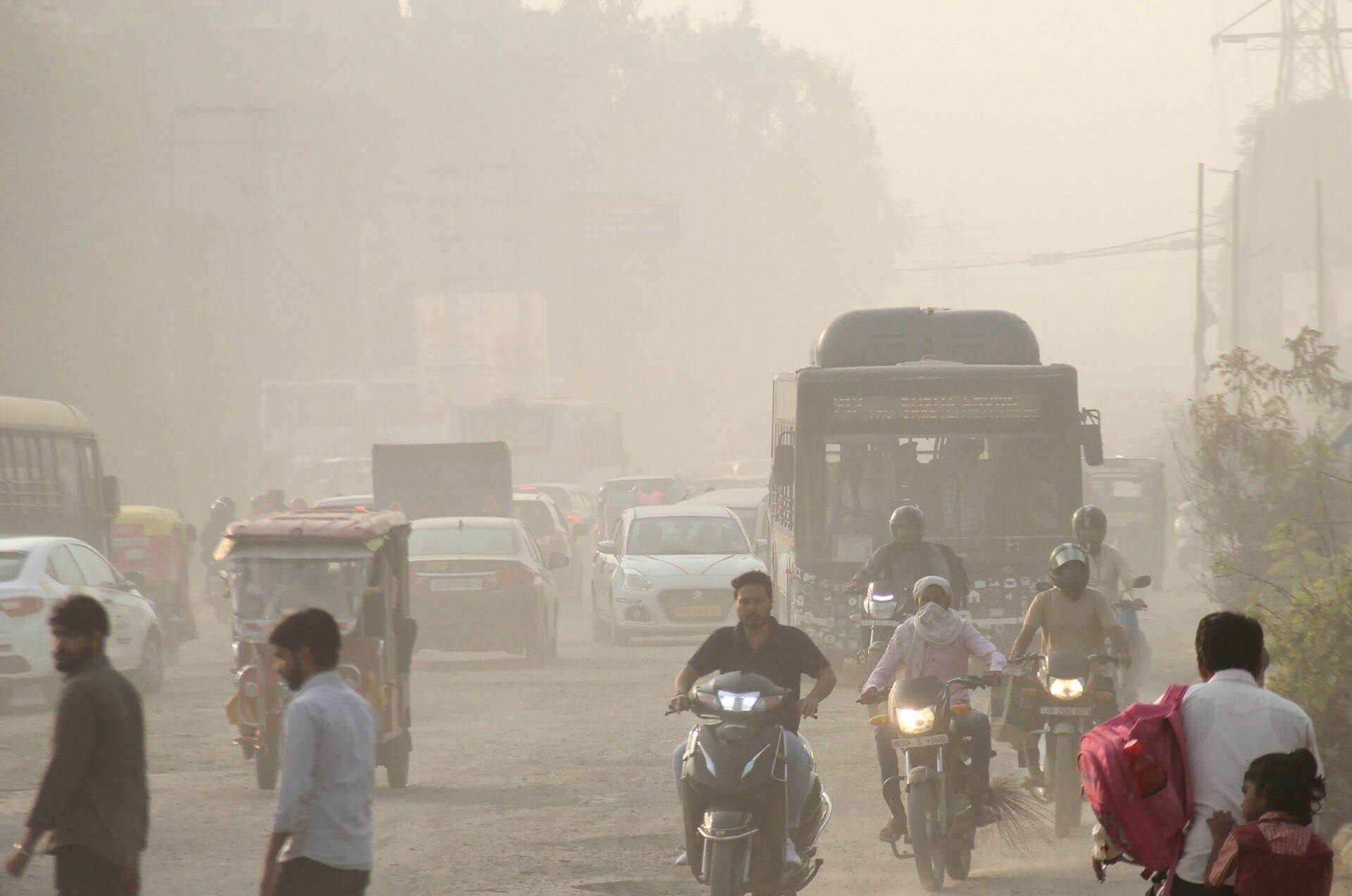
Authorities in the national capital have unveiled an extensive Delhi Air Pollution Plan that outlines targeted interventions across multiple sectors responsible for deteriorating air quality. The strategy identifies eleven priority sectors for immediate implementation, with transport emissions, road dust, and construction activity emerging as central focus areas in the city’s effort to reduce pollution levels. Officials involved in drafting the Delhi Air Pollution Plan say the framework introduces a time-bound system for enforcement, monitoring, and technological integration to address the sources that contribute most to particulate pollution. The initiative is designed to shift the capital towards cleaner mobility systems and stricter environmental compliance, while also tackling congestion and infrastructure inefficiencies that intensify pollution exposure.
One of the most significant measures under the plan is a new regulatory approach for freight vehicles entering the city. Beginning in November 2026, only goods carriers compliant with advanced emission standards or those powered by cleaner fuels such as compressed natural gas or electricity will be permitted to enter the capital. The restriction is intended to reduce pollution from older diesel vehicles that currently form a substantial share of long-distance freight movement. Enforcement mechanisms will rely heavily on digital monitoring tools. Authorities are expanding the use of automated number plate recognition systems and integrated data platforms that can track vehicle compliance in real time. The Delhi Air Pollution Plan also reinforces an existing rule linking fuel access to valid pollution certification, meaning vehicles that fail to maintain required emission checks could be denied refuelling services. Traffic congestion has also been identified as a major contributor to urban emissions. The city has mapped more than sixty locations where vehicle bottlenecks regularly cause elevated pollution levels. Targeted traffic engineering solutions, including improved junction design, dynamic signalling, and new parking management policies, are being introduced to improve traffic flow and reduce idle emissions in these zones.
Alongside enforcement, the Delhi Air Pollution Plan prioritises expansion of public transport infrastructure. Authorities aim to significantly increase the number of city buses over the next few years, with a strong preference for electric fleets that produce zero tailpipe emissions. Integration between buses, metro services, and regional rail systems is also being strengthened to make public transport more accessible for daily commuters. Urban mobility planners say improving last-mile connectivity will be crucial to reducing reliance on private vehicles. The plan includes expanded feeder services, shared electric mobility, and improved transport linkages to major transit stations. Over the next four years, thousands of new charging points are also expected to be installed to accelerate adoption of electric vehicles across both personal and commercial transport segments. The broader strategy extends beyond vehicles to include other sources such as industrial emissions, waste burning, and construction-related dust. Departments responsible for each sector will operate under defined timelines and performance metrics, supported by data-driven monitoring systems designed to track progress.
Urban policy experts note that sustained success will depend on coordination between multiple agencies and consistent enforcement of regulations. As the Delhi Air Pollution Plan moves from policy design to on-ground implementation, the coming years will test whether technology-led monitoring and cleaner mobility investments can meaningfully improve air quality in one of the world’s most pollution-challenged megacities.