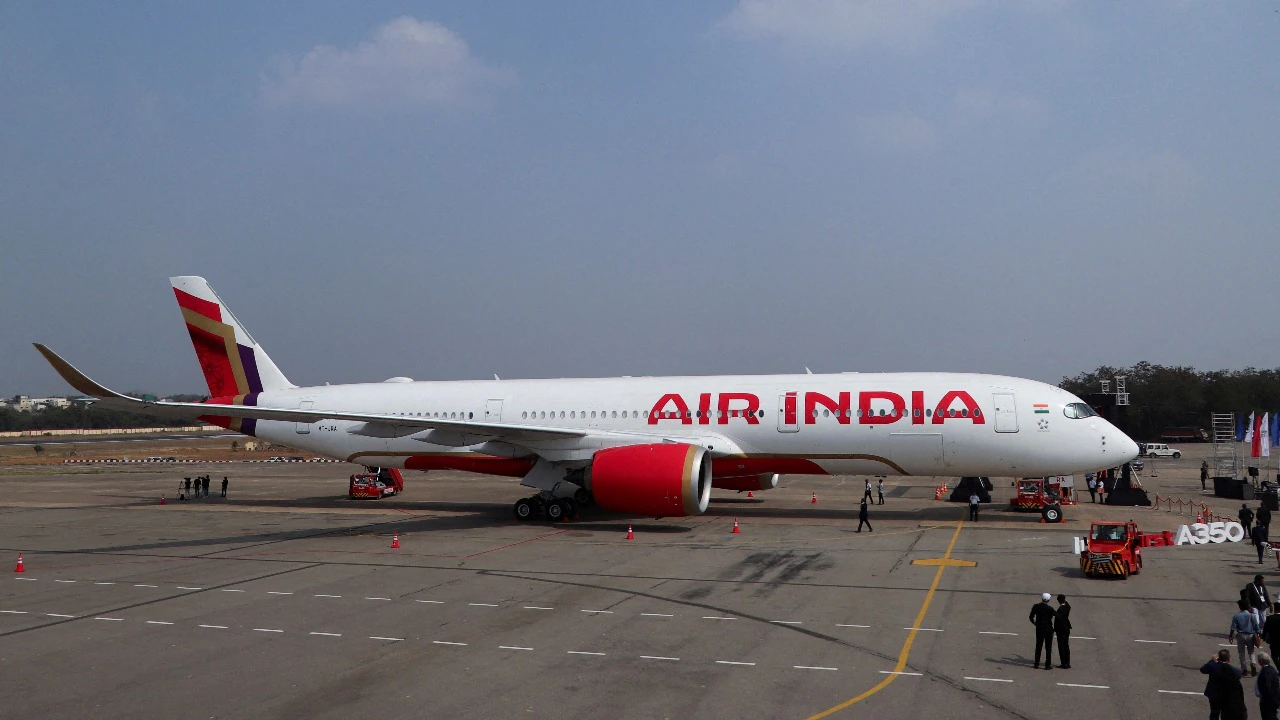
Delhi Air India Moves 60 Domestic Flights To T2 Terminal
Delhi’s Indira Gandhi International Airport (IGIA) will witness a major reshuffling of domestic flight operations as Air India prepares to relocate 60 daily departures to the upgraded Terminal 2 (T2) from October 26. Concurrently, Air India Express will shift all its domestic services to Terminal 1 (T1), reflecting a broader strategy to enhance international passenger capacity at T3 while streamlining domestic operations.
The terminal realignment is a response to ongoing expansion activities at T3, which have temporarily constrained domestic handling capacity. Airport officials indicated that the move will improve operational efficiency, reduce congestion, and enhance passenger experience as Delhi strengthens its position as India’s busiest aviation hub. All international flights of Air India and Air India Express will continue to operate from T3, maintaining the terminal’s role as the gateway for overseas travel.Air India’s domestic departures from T2 have been renumbered into a four-digit ‘AI1XXX’ series to help passengers identify the relocated flights. Experts note that such numbering conventions, combined with proactive communication via reminders for online check-ins and connecting passengers, are critical in avoiding confusion during the transition.
From an operational perspective, the shift allows the airport to distribute domestic departures more evenly across its terminals, optimising passenger flow and aligning resources with traffic patterns. Aviation analysts observe that IGIA’s terminal reorganisation mirrors global trends in airport management, where separating domestic and international operations helps reduce bottlenecks while maintaining safety and efficiency standards.Passenger impact is a primary focus. Officials have assured that relocation notices, in-terminal signage, and digital alerts will guide flyers seamlessly through the terminal changes. Frequent travellers and connecting passengers are advised to double-check terminal information prior to departure, particularly for flights in the AI1XXX series, to ensure smooth transfers.
Beyond immediate operational benefits, experts argue that such strategic terminal reallocations form part of Delhi’s long-term aviation infrastructure vision. With international travel rebounding post-pandemic and domestic air traffic continuing to surge, efficiently managing terminal capacity will be key to sustaining Delhi’s competitive advantage in the national and global aviation market. Additionally, integrating energy-efficient terminal facilities, modernised passenger lounges, and green infrastructure elements aligns with Delhi’s broader goals of sustainable and climate-resilient airport operations.
The T2 and T1 upgrades are also expected to enhance accessibility and safety for all passengers, with an emphasis on gender-neutral facilities, equitable boarding processes, and barrier-free movement for differently-abled travellers. For the city, these terminal shifts reinforce Delhi’s commitment to a future-ready, eco-conscious, and passenger-centric airport ecosystem.With the T2 and T1 transitions taking effect from October 26, Delhi’s domestic flyers can expect smoother operations, reduced wait times, and better connectivity, while airport authorities continue to focus on sustainable, long-term enhancements across the capital’s aviation infrastructure.