Delhi Agencies Face Notice Over Floodplain Dairy Farms
Environmental regulators and urban planning authorities in Delhi are under renewed judicial scrutiny after the National Green Tribunal sought explanations regarding the continued presence of unauthorised dairy farms along the Yamuna floodplains. The development has raised fresh questions about environmental compliance, land-use governance, and the fragile ecological balance of one of the Capital’s most critical river corridors. The tribunal’s principal bench issued notices to two key agencies responsible for land management and environmental monitoring in the city after concerns were raised that earlier directives to remove illegal dairy activities from the floodplain area had not been effectively implemented. The issue surfaced during proceedings linked to enforcement of a previous tribunal order that required authorities to act on recommendations submitted by a joint committee investigating pollution and encroachment in the riverine zone.
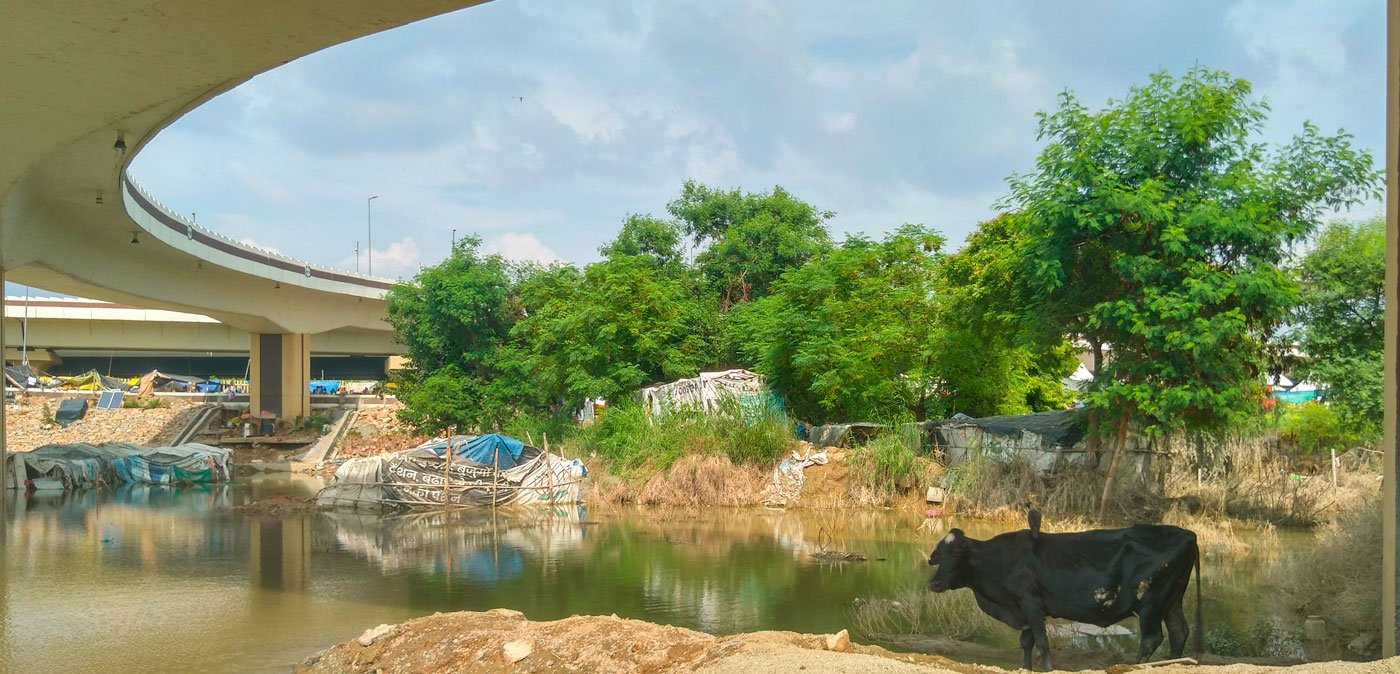
According to documents presented during the hearing, a compliance report submitted last year had claimed that no dairy operations remained active within the designated floodplain area. However, the petitioners challenged this assertion by submitting photographic material indicating that cattle-based activities were still continuing in certain locations. The tribunal acknowledged these submissions and decided to formally seek responses from the concerned authorities. The case highlights an ongoing governance challenge facing rapidly growing metropolitan regions like Delhi, where pressure on land resources often leads to competing uses within environmentally sensitive areas. Floodplains serve a critical role in groundwater recharge, flood mitigation and ecological balance, yet they have historically witnessed encroachments ranging from informal settlements to waste dumping and agricultural or livestock activities. Urban planners note that unmanaged dairy operations in river floodplains can significantly contribute to water contamination through the discharge of untreated animal waste and runoff containing nutrients and pathogens. Such pollution ultimately enters the river system, worsening water quality challenges in the Yamuna, which already receives large volumes of untreated or partially treated wastewater along its urban stretch.
Environmental policy experts say the tribunal’s intervention underscores the need for stronger enforcement mechanisms and improved coordination among multiple government bodies responsible for urban land management. In cities experiencing rapid population growth and infrastructure expansion, floodplain protection is increasingly seen as a critical component of climate resilience and sustainable urban development. For Delhi, the Yamuna floodplain has long been viewed as a strategic ecological asset capable of supporting groundwater recharge, biodiversity restoration and urban climate mitigation. Protecting these natural buffers is also closely linked to broader efforts to improve river health, reduce urban flooding risks and restore public access to open green spaces. The tribunal has scheduled the matter for further review in mid-July, directing the applicants to formally serve the concerned authorities and submit proof of notification before the next hearing.
The proceedings are expected to determine whether enforcement actions undertaken so far meet the environmental compliance standards mandated by the court. As the case progresses, urban governance experts say the outcome could influence how floodplain protection and land-use enforcement are handled in other Indian cities grappling with similar pressures on environmentally sensitive landscapes.