


A 24,500 sq ft lease at Aerocity marks the formal India entry of global food-and-culture platform Time Out Market, underscoring how airport-linked business districts are evolving into experiential retail and hospitality hubs. The move reinforces Delhi’s Aerocity as a magnet for international brands seeking high-spend urban and transit audiences.
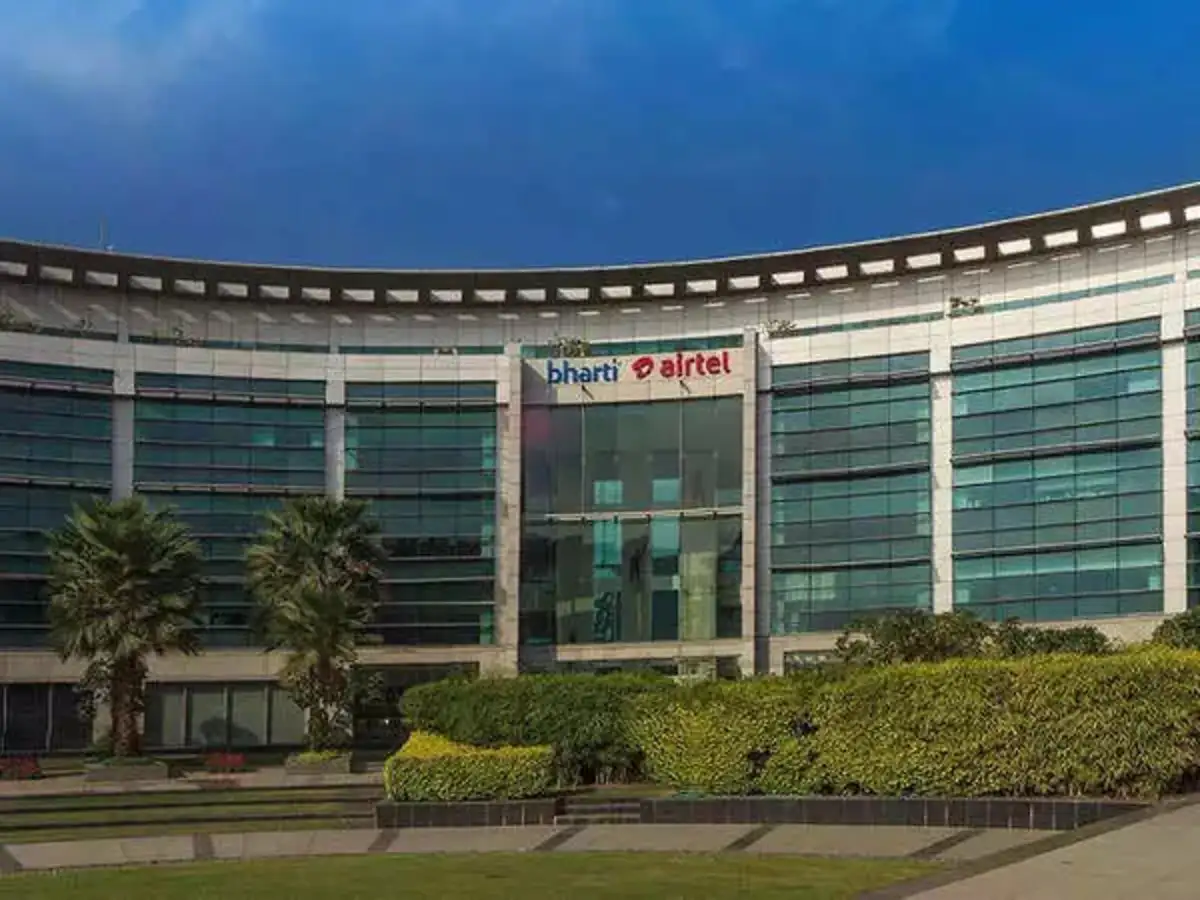
Time Out Group has taken space at 5 Worldmark, part of the larger Worldmark district being developed by Bharti Real Estate, the property arm of Bharti Enterprises. The venue, scheduled to open in the second half of 2026, will house 11 kitchens, two full-service bars, live performance areas and seating for about 500 guests. Globally, Time Out Markets operate in cities including Lisbon, New York and Dubai, where curated culinary and cultural programming is integrated into mixed-use urban districts. The Delhi launch signals growing investor confidence in India’s consumption economy and its expanding base of international travellers. Aerocity’s evolution reflects a wider urban planning trend: airport-adjacent districts are transitioning from hotel clusters into full-fledged commercial ecosystems. With direct connectivity to the national capital’s primary aviation gateway and metro access, the precinct has attracted Grade A offices, luxury hospitality and large-format retail. The Worldmark master plan spans roughly 17 million sq ft across multiple phases, combining premium office towers with destination retail and hospitality.
Industry analysts say experiential retail formats are increasingly favoured in dense urban nodes where footfall is driven by office workers, business travellers and high-income residents. Unlike conventional malls, curated markets combine dining, events and cultural programming, extending dwell time and supporting higher rental yields. The lease transaction was facilitated by India Sotheby’s International Realty, reflecting rising advisory activity as global brands evaluate India entry strategies. Real estate consultants note that international operators are drawn to large, integrated districts with institutional ownership, strong infrastructure and predictable governance frameworks. From a city-building perspective, the development raises broader questions about sustainability and mixed-use planning. Airport districts are high-energy zones, and their long-term viability depends on public transport integration, pedestrian-friendly design and efficient building systems. As Delhi expands its commercial footprint, planners argue that such hubs must embed climate-responsive architecture and resource-efficient operations to avoid exacerbating congestion and emissions. Aerocity’s next phases are expected to add several million square feet of office and retail inventory over the next two years. If absorption remains robust, the precinct could emerge as a template for airport-led business districts in other Indian metros.
The arrival of a global food-and-culture marketplace suggests that India’s airport corridors are no longer transit spaces alone. They are becoming urban destinations in their own right blending commerce, culture and connectivity in a single, high-density framework.
Also Read: India airport expansion to spur real estate
Delhi Aerocity lease signals retail surge
