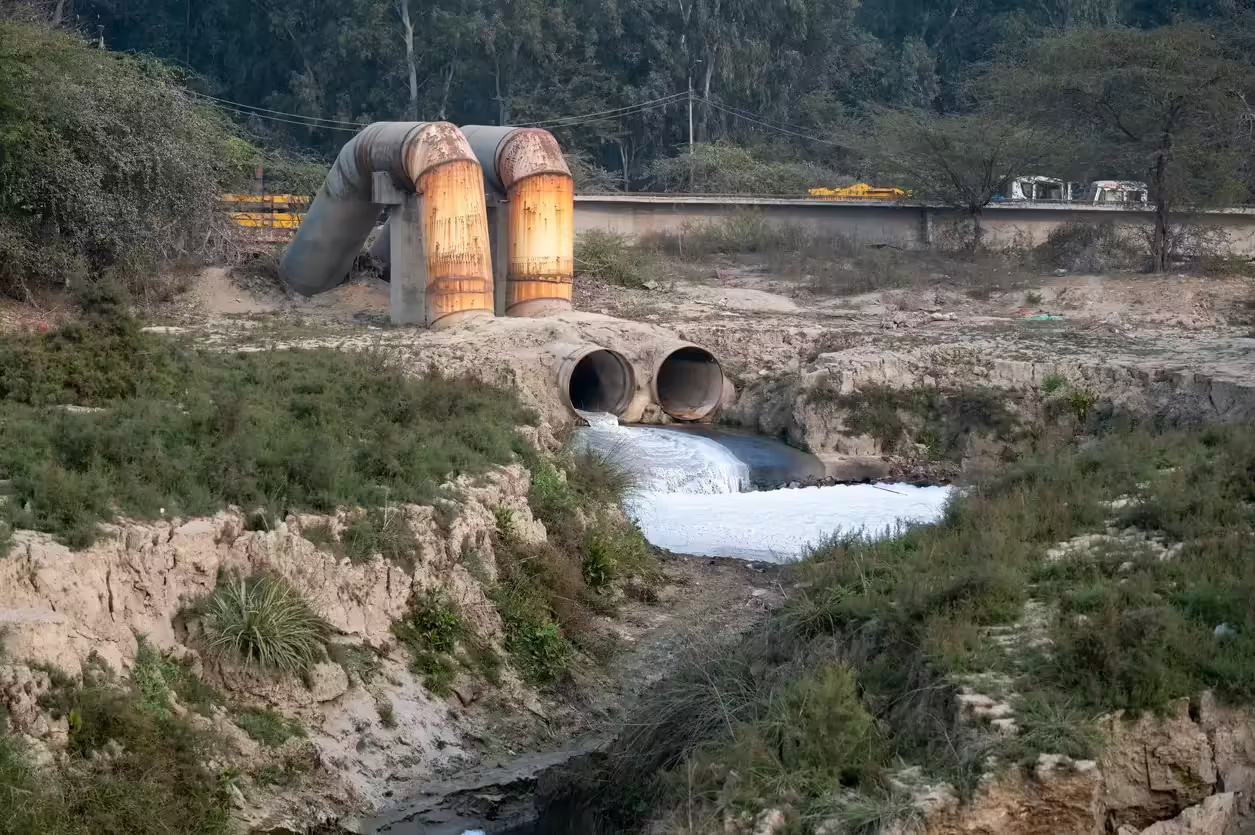
Delhi Advances Massive Drain Desilting Before Monsoon
Delhi’s flood management authorities have intensified a large-scale Delhi drain desilting campaign as part of preparations for the upcoming monsoon, removing roughly 1.4 million metric tonnes of sediment from major drainage channels across the capital. The initiative is intended to restore the carrying capacity of stormwater networks that often struggle during heavy rainfall, causing urban flooding and widespread traffic disruption. Officials overseeing the operation say the current clean-up drive forms part of a broader strategy to improve the resilience of the city’s ageing drainage infrastructure. By clearing accumulated silt, waste and debris from major drains, authorities aim to ensure that monsoon runoff can move efficiently through the network and into downstream channels.
The current target for the year has been set at approximately 2.8 million metric tonnes of silt removal, marking a significant increase compared to the previous year’s effort. According to officials involved in flood control operations, about half of that target has already been achieved through coordinated work by multiple civic agencies responsible for different sections of the drainage network. Urban engineers note that the Delhi drain desilting process involves removing sediment that gradually settles in drainage channels due to construction debris, soil erosion and untreated waste entering the system. Over time, these deposits reduce the depth of drains and limit their ability to carry rainwater during intense downpours. One of the inspections carried out by senior government officials focused on the Barapullah drain, a major stormwater channel that carries runoff through several densely populated parts of the capital before discharging into larger drainage systems. Regular monitoring of such drains is considered critical to prevent bottlenecks that can trigger flooding in adjacent neighbourhoods. Authorities have also directed departments to complete all desilting work before the end of June, ensuring that drains are fully cleared before the peak monsoon season begins.
Transporting removed silt to designated disposal locations has been identified as another important step, as improper dumping can lead to secondary environmental problems. Urban planners point out that routine maintenance of drainage infrastructure is a crucial yet often overlooked component of climate resilience in megacities. As extreme rainfall events become more frequent due to climate variability, cities must ensure that stormwater networks remain unobstructed and capable of handling sudden surges in runoff. The Delhi drain desilting campaign also has broader implications for urban mobility and economic activity. Flooded roads and waterlogged underpasses regularly disrupt public transport, delay commuters and affect businesses during heavy rains. Improving drainage performance can therefore reduce both economic losses and safety risks during monsoon months. However, experts caution that desilting alone cannot fully solve flooding challenges in rapidly expanding urban areas. Long-term solutions require integrated stormwater planning, better waste management to prevent drains from clogging, and the protection of natural water channels that historically helped regulate runoff.
As the city approaches the monsoon season, authorities say the success of this year’s desilting programme will depend not only on meeting removal targets but also on maintaining coordination between municipal bodies, flood control agencies and environmental regulators responsible for Delhi’s complex drainage network.