Surat Infrastructure Work Brings Temporary Traffic Restrictions
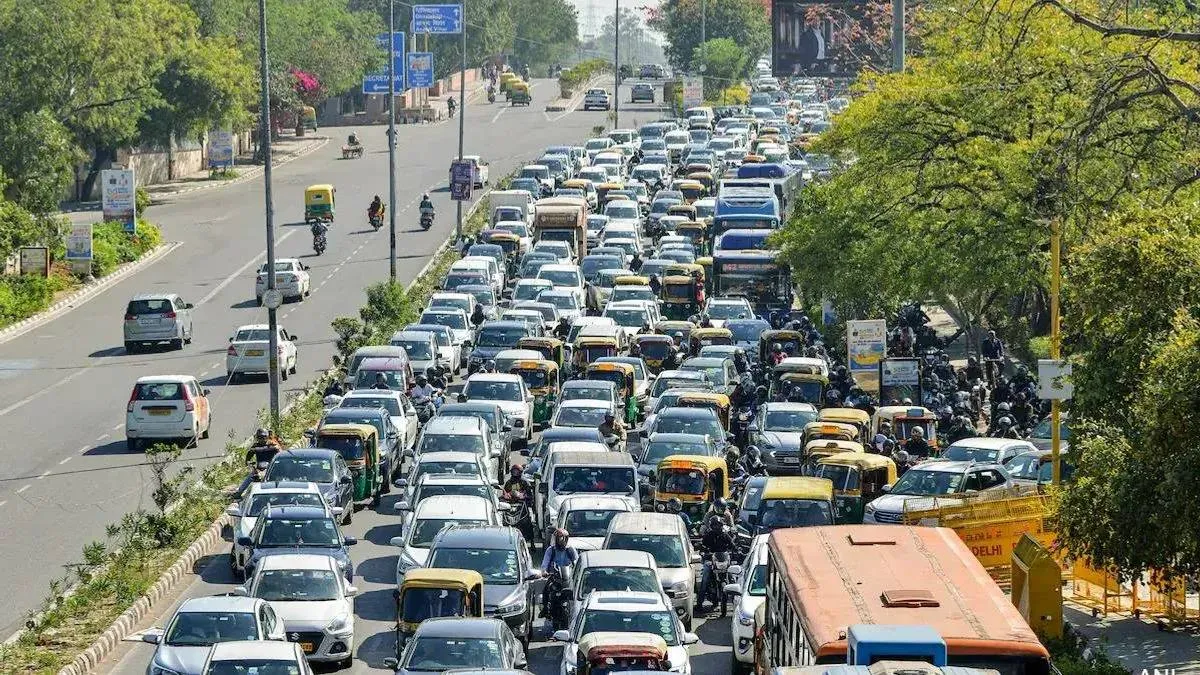
Delhi is stepping up its road infrastructure strategy with a new set of elevated corridors and key arterial upgrades aimed at easing congestion and improving cross-city connectivity. The move reflects a broader effort to address mounting traffic pressure in high-density zones while enabling faster and more predictable travel across critical urban routes. Among the proposed interventions is the long-awaited extension of an elevated link designed to bridge east and south Delhi, closing a crucial gap in the city’s road network. Urban mobility experts suggest that completing such missing links can significantly reduce dependence on overburdened surface roads, especially in areas where daily commuting demand continues to rise.
In parallel, a major elevated corridor is planned along one of south Delhi’s busiest stretches, where traffic volumes have outpaced road capacity for years. The project is expected to be implemented in phases, with an initial section designed as a multi-level carriageway to accommodate heavy peak-hour flows. Planners believe this could ease congestion in adjoining residential and commercial pockets that routinely face bottlenecks. The push for elevated corridors comes amid a steady increase in vehicle ownership and expanding urban boundaries, both of which have intensified pressure on Delhi’s transport infrastructure. Officials indicate that creating signal-free routes is central to reducing travel time and improving traffic efficiency, particularly along corridors connecting residential clusters with employment hubs. However, urban planners caution that while elevated corridors can offer short-term relief, their long-term effectiveness depends on integration with public transport systems. Without complementary investments in metro networks, bus systems and last-mile connectivity, road-based solutions alone may not fully address congestion challenges.
In this context, Delhi’s parallel focus on expanding mass transit is seen as a critical component of a balanced mobility strategy. The current proposals build on earlier infrastructure plans that identified multiple congestion hotspots across the city. These include road widening, grade separators and underpasses aimed at smoothing traffic flow. Together, these interventions indicate a shift towards corridor-based planning, where infrastructure upgrades are designed to function as part of an interconnected urban mobility network. From an economic standpoint, improved road connectivity can enhance productivity by reducing travel delays and logistics costs. It also has implications for real estate development, as better accessibility often drives demand in emerging and peripheral areas. At the same time, experts emphasise the importance of aligning such projects with environmental considerations, including emission reduction and efficient land use.
As Delhi advances these projects, execution timelines and coordination between agencies will be critical. The success of the plan will depend not only on infrastructure delivery but also on how effectively it integrates with the city’s broader goals of sustainable, inclusive and efficient urban mobility.