Delhi Accelerates Rooftop Solar Growth Amid Rising Energy Demands
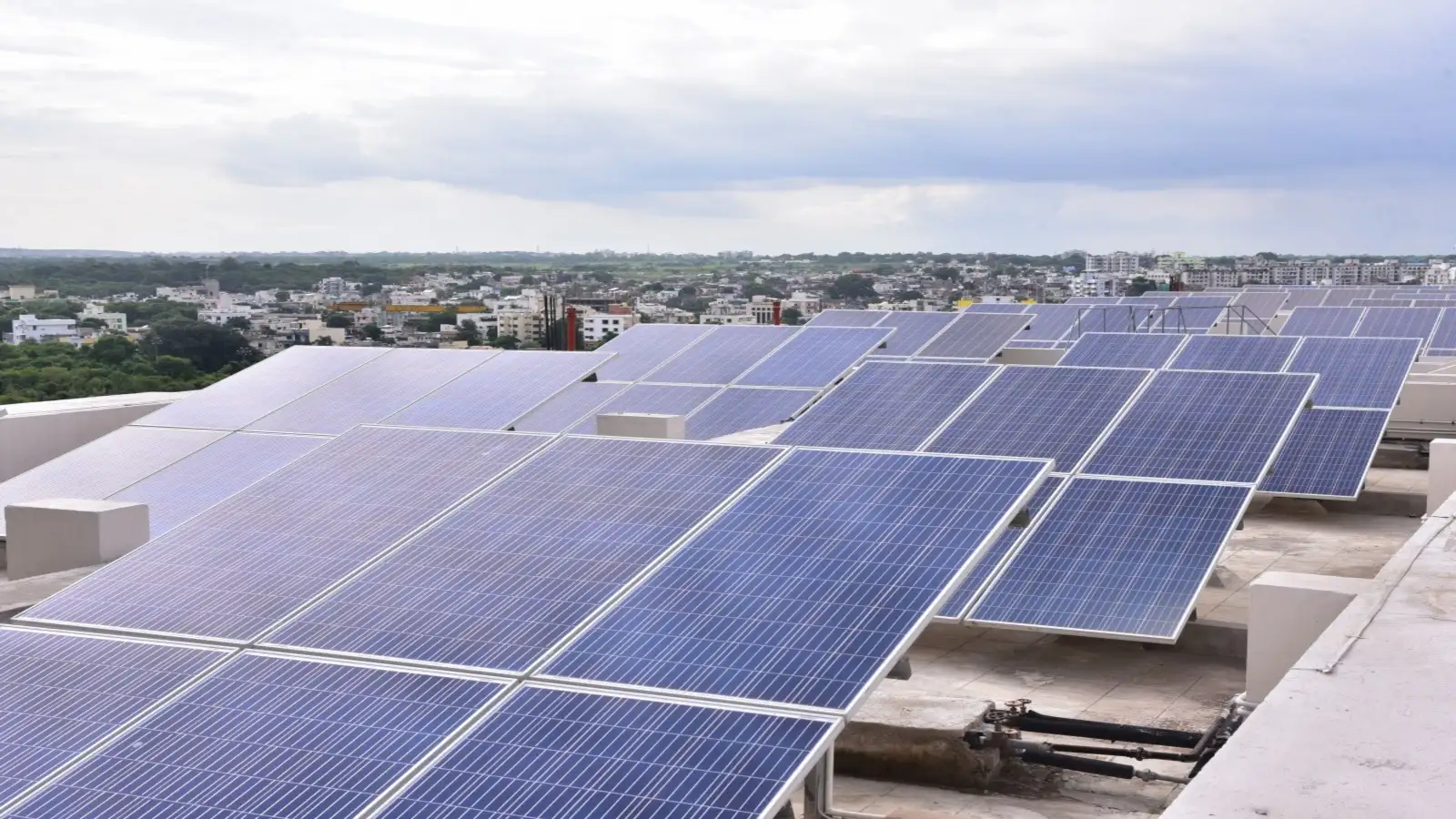
Rooftop solar energy is rapidly transforming Delhi’s urban landscape, with over 10,000 installations now powering homes, schools, and commercial establishments across the city. Power distribution firms are crediting this surge to government-backed incentives, net metering policies, and growing consumer awareness. With an installed capacity of 220 MWp, the capital’s decentralised solar expansion is helping residents cut down on electricity bills—estimated at a collective saving of ₹160 crore annually—while contributing significantly to pollution reduction and energy sustainability.
This solar adoption wave spans multiple sectors. While residential rooftops account for the highest number of connections, it is the commercial and institutional segments that lead in total capacity, generating 81 MWp and 48 MWp respectively. Educational institutions and cooperative group housing societies are increasingly turning to clean energy, encouraged by policies such as the PM Surya Ghar Muft Bijli Yojana and the Delhi Solar Policy. These frameworks offer capital subsidies, low-interest loans, and innovative models like Hybrid RESCO, enabling consumers to install solar systems with little or no upfront investment, making solar more accessible across income groups. Delhi’s rooftop solar boom also reflects a larger environmental imperative. In a city plagued by high air pollution and growing energy consumption, decentralised renewable energy offers a strategic way to reduce coal dependence, cut greenhouse gas emissions, and stabilise the grid.
According to town planners, integrating rooftop solar into building design and retrofitting older structures can turn idle rooftops into clean energy assets. This requires structural assessments, clear ownership frameworks, and incentives that bridge affordability gaps, especially in dense urban areas where space and sunlight access are unevenly distributed. Experts note that the shift to rooftop solar must go hand-in-hand with smart policy design, technical support, and community outreach. Distribution companies play a key role in ensuring net metering access, streamlined billing, and safe installations. Environmental planners are equally vital for managing solar panel lifecycles, promoting equitable access, and avoiding ecological disruptions.
Additionally, spatial planning tools can help identify high-potential roofs and prioritise installations in pollution-prone zones. The aim, experts argue, should be to create an inclusive solar ecosystem that serves both high-income gated societies and lower-income colonies alike. As Delhi pushes ahead with its clean energy transition, rooftop solar is emerging not just as an alternative energy source but as a critical urban resilience tool. By supporting households and institutions in producing their own electricity, the city is moving closer to its climate goals. With better financing, governance, and public participation, rooftops could become the foundation of a greener, healthier, and more equitable capital city.