Delhi‑Jaipur Travel Now Just 2.5 Hours Via Bandikui Expressway
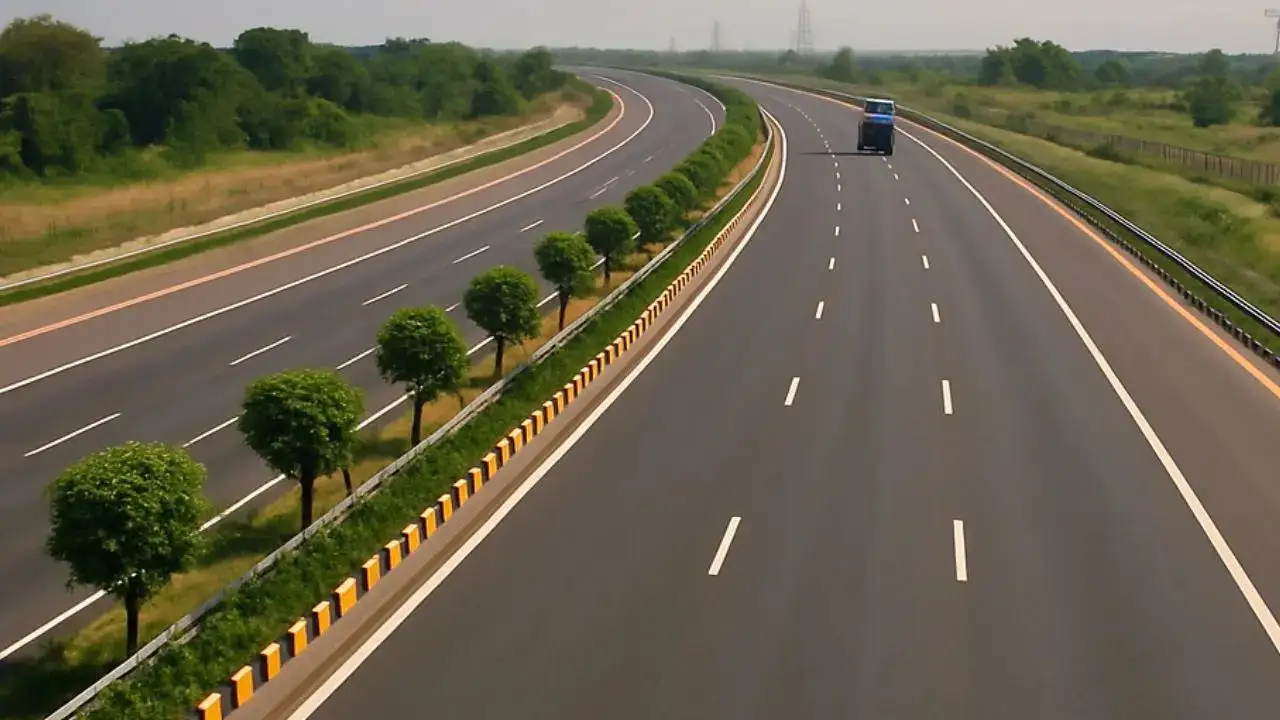
Delhi and Jaipur can now anticipate a significantly reduced travel time of merely 2.5 hours, following the public opening of the Bandikui-Jaipur Expressway. This crucial 66.91-kilometre stretch, a vital component of the ambitious Delhi-Mumbai Expressway, promises to revolutionise inter-city connectivity, enhance logistical efficiency, and contribute to a more sustainable and economically vibrant corridor. The new expressway is poised to alleviate traffic congestion and foster eco-friendly travel between the two prominent cities.
Constructed at a total cost of ₹1,368 crore, the Bandikui-Jaipur Expressway was officially opened to the public on July 15, following stringent safety checks by the National Highways Authority of India (NHAI). This high-speed corridor is designed to accommodate vehicles at a maximum speed limit of 120 kmph, ensuring rapid transit. Currently, approximately 15,000 vehicles traverse the expressway daily, a number that NHAI officials anticipate will increase substantially as public awareness of the new route grows.
The Delhi-Mumbai Expressway project, of which the Bandikui-Jaipur section is a part, represents a monumental leap in India’s infrastructure development. This expansive network is not merely about reducing travel times; it is strategically designed to enhance freight movement, connect industrial hubs, and stimulate economic activity across multiple states. By providing a direct and efficient route, the expressway minimises detours and idling time for vehicles, leading to reduced fuel consumption and lower greenhouse gas emissions, aligning with zero-net-carbon transportation goals.
The improved connectivity offered by this expressway is expected to catalyse economic growth in the regions it traverses. Enhanced accessibility will benefit businesses by reducing logistics costs and improving supply chain efficiency, potentially attracting new investments and fostering job creation. For citizens, the drastically cut travel times translate into more productive hours, reduced stress, and increased opportunities for inter-city commerce and tourism, contributing to a more equitable distribution of economic benefits.
Furthermore, the emphasis on high-speed, well-maintained road networks is integral to building resilient and sustainable cities. By diverting traffic from older, more congested routes, the new expressway helps to alleviate urban pollution and wear-and-tear on existing infrastructure. This strategic investment in modern road networks is a testament to India’s commitment to developing world-class infrastructure that supports economic prosperity while prioritising environmental stewardship and the well-being of its populace.