


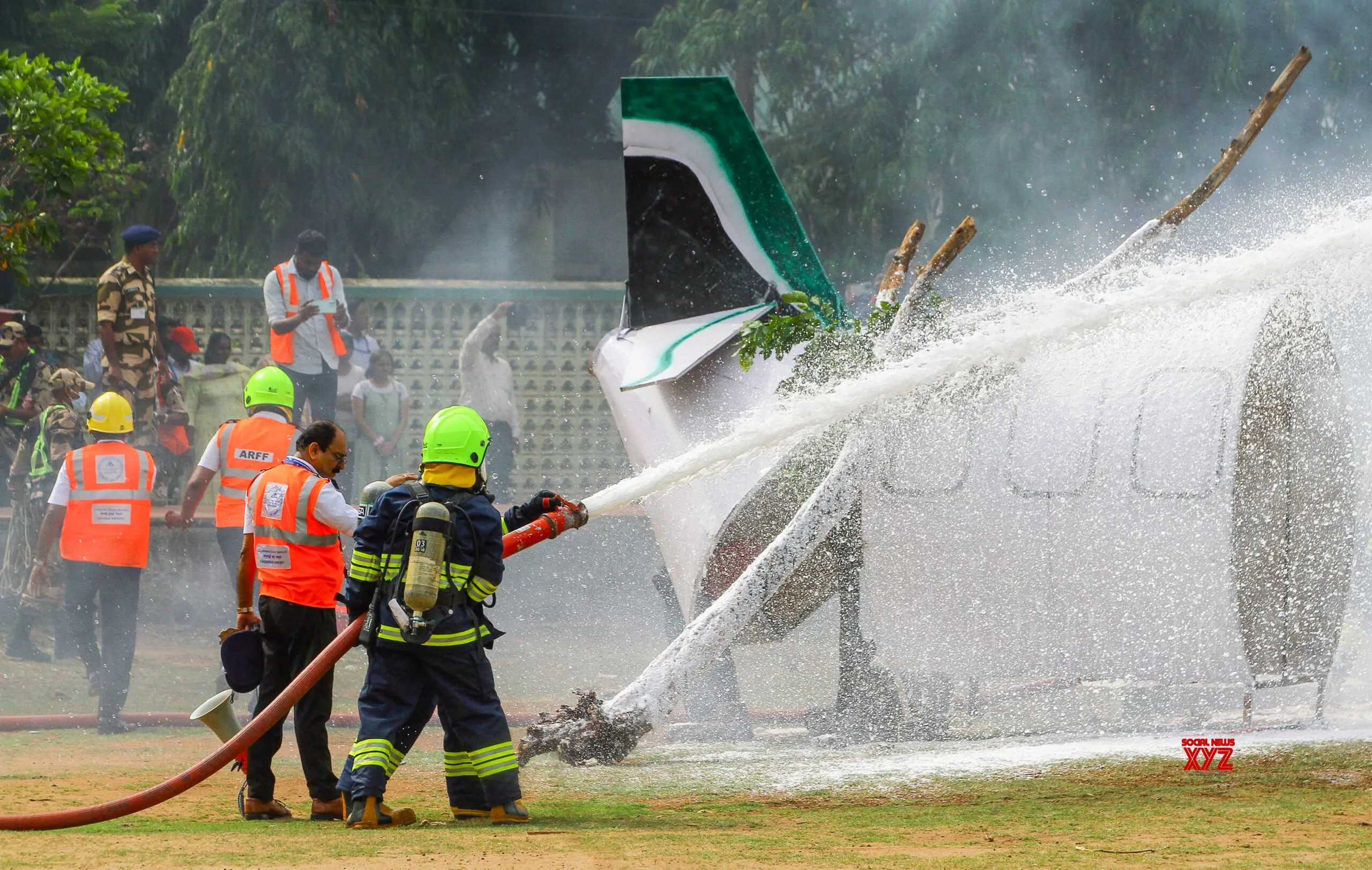
Jolly Grant Airport recently conducted a comprehensive full-scale emergency drill, simulating an aircraft crash to rigorously assess the preparedness of various critical response agencies. This exercise, mandated by aviation authorities following a recent national incident, underscored the imperative for seamless inter-agency coordination, rapid resource deployment, and effective emergency protocols.
Such proactive measures are vital for ensuring passenger safety and reinforcing the resilience of India’s burgeoning aviation infrastructure, crucial for sustainable urban connectivity. The Airports Authority of India (AAI) orchestrated this elaborate simulation in strict adherence to Directorate General of Civil Aviation (DGCA) guidelines, transforming the theoretical framework of emergency response into a practical, real-time assessment. The primary objective extended beyond a mere procedural check; it aimed to evaluate the agility and efficacy of the airport’s comprehensive emergency response plan, particularly in the immediate aftermath of a catastrophic event. This proactive stance, especially in the wake of the recent Ahmedabad aircraft accident, highlights a heightened national focus on aviation safety and the imperative for continuous operational readiness across all critical transport hubs.
The drill witnessed the active participation of a diverse array of emergency response entities, underscoring the multi-faceted nature of modern disaster management. Key participants included the Airport Fire Service (ARFF), the Central Industrial Security Force (CISF), the State Disaster Response Force (SDRF), state fire and emergency services, and medical units from a prominent medical institute’s airport extension unit and a local hospital. Additionally, airlines operating from the airport played an integral role, ensuring that the simulation encompassed all operational stakeholders. This collaborative ecosystem is fundamental to building resilient cities, where integrated efforts ensure equitable and swift assistance to all citizens during unforeseen crises.
The exercise meticulously tested several critical aspects of emergency management. These included the rapid deployment and effectiveness of firefighting and rescue operations, the systematic triage and provision of first aid to simulated injured individuals, and the safe and efficient evacuation of passengers from the crash site. Concurrently, the drill assessed the real-time implementation of airport security protocols, ensuring that safety measures remained robust even amidst chaos. Such comprehensive testing is paramount for identifying potential vulnerabilities and refining procedures, thereby enhancing the overall safety framework for all travellers, irrespective of their gender or background.
The successful execution of such drills is intrinsically linked to the broader agenda of fostering sustainable and resilient urban environments. A robust emergency response capability at a major transportation hub like Jolly Grant Airport contributes significantly to the city’s overall resilience against unforeseen shocks. By minimising the potential for prolonged operational disruptions and mitigating environmental damage from incidents (e.g., fuel spills, debris), these exercises indirectly support the transition towards eco-friendly and zero-net-carbon urban development. They ensure that the economic and social fabric of the city remains intact, even when faced with extreme events, promoting stability and continuous progress.
Following the intensive simulation, a structured debriefing session was immediately convened. This critical phase allowed for a detailed review of performance metrics, including adherence to response time protocols and the effectiveness of inter-agency coordination. The primary objective of this post-exercise analysis is to identify any procedural gaps or areas requiring enhancement, ensuring a cycle of continuous improvement. Significantly, the Airports Authority of India has mandated similar full-scale emergency exercises at all major airports across the country, signalling a nationwide commitment to elevating safety standards and preparedness across India’s vital aviation network. This unified approach is crucial for building a cohesive and secure national infrastructure.
These rigorous emergency drills underscore India’s unwavering dedication to aviation safety and its proactive approach to disaster management. By fostering seamless coordination among diverse agencies and continually refining response protocols, the nation aims to ensure that its airports remain not only efficient gateways for travel but also bastions of security and resilience. This commitment is fundamental to supporting the growth of sustainable, equitable, and gender-neutral cities, where the well-being and safety of every citizen are paramount, even in the face of unexpected challenges.
Also Read :Delhis Airport Stretch Drains Vanish, NHAI Ordered to Fix Flood Risk
