


The Delhi Development Authority (DDA) has fast-tracked the construction of a prominent clock tower at Sadbhavana Park on Ring Road, behind the Red Fort, aiming for completion by the end of this month. Though the park was inaugurated in June, public access remains restricted as finishing touches continue, including plans for a food van near the parking area to enhance visitor experience.
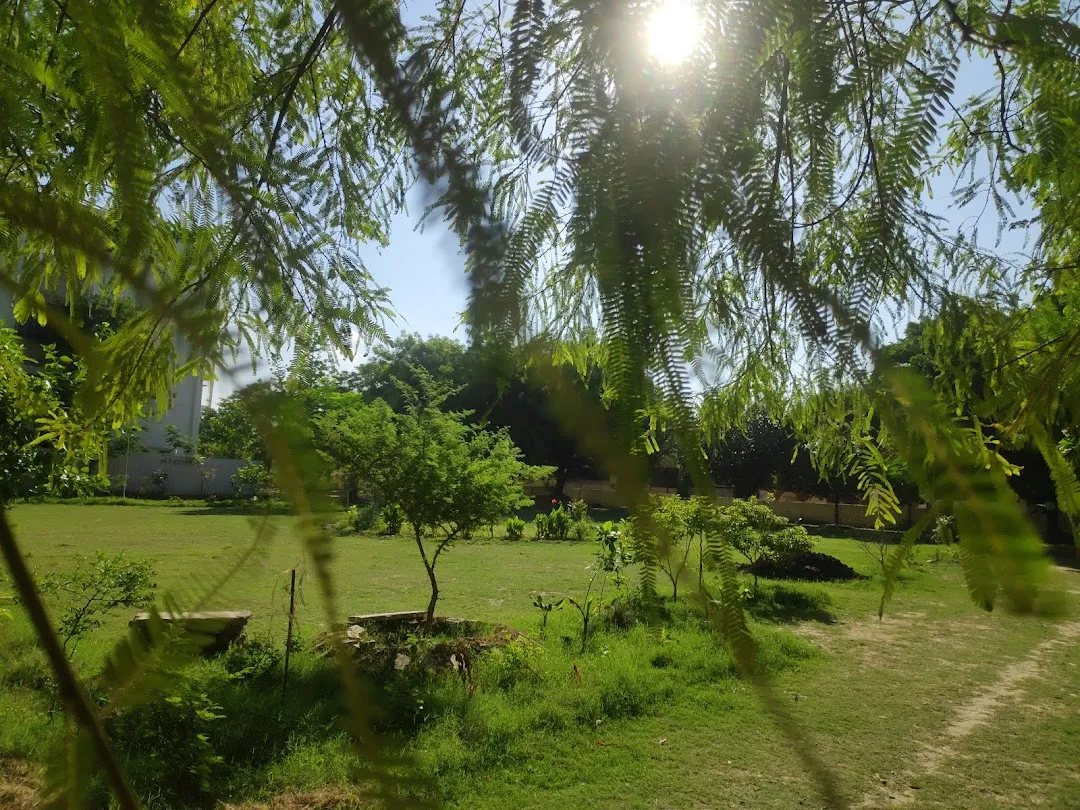
Officials highlighted that the clock tower is more than a functional timepiece; it is intended as a landmark symbolising historical urban design. Historically, clock towers marked central city locations and served as both civic identifiers and public utilities. The new structure at Sadbhavana Park is part of a broader initiative to combine aesthetic, recreational, and cultural value within Delhi’s green spaces. Sadbhavana Park spans 11 acres of redeveloped landscaped areas, featuring formal lawns, baradari structures, chariot and sculpture fountains, shaded plazas, and pathways lined with white marble. A standout feature includes a circular water pond adorned with five white horse sculptures driven by a sarathi, complemented by four Yakshini sculptures created by nationally recognised artists. These installations integrate art with nature, offering visitors tranquil spaces while enriching the city’s cultural and aesthetic landscape.
Urban planners note that the park’s design emphasises geometrical forms and aligns with principles of sustainable and equitable city spaces. By providing open recreational avenues, particularly for residents of Daryaganj and Old Delhi, Sadbhavana Park strengthens the city’s commitment to environmentally responsible public infrastructure, encouraging walking, outdoor social interaction, and leisure within a green urban environment. The park’s linear gardens, low-maintenance plantations, and sculptural features are strategically developed to maintain ecological balance, reduce urban heat, and promote sustainable landscaping practices. Officials emphasise that integrating climate-resilient plant species and low-water maintenance areas reflects Delhi’s ongoing efforts to develop eco-friendly public spaces that minimise resource consumption while maximising aesthetic appeal.
The clock tower itself is expected to serve as both a visual anchor and functional hub within the park, contributing to Delhi’s heritage-conscious urban identity. Experts suggest that the timely completion of the tower, along with other park facilities, will elevate public engagement and encourage community use, while also providing a model for integrating art, history, and recreation in future city projects. As Delhi invests in modern public parks like Sadbhavana, the emphasis on blending cultural heritage, sustainable practices, and accessible recreational infrastructure reflects a broader strategy to develop inclusive, gender-neutral, and eco-conscious urban environments. The clock tower stands as a symbol of civic pride, merging historical design sensibilities with contemporary ecological and social priorities.
Also Read : Kolkata Port Launches First PPP Terminal At Khidderpore Docks
