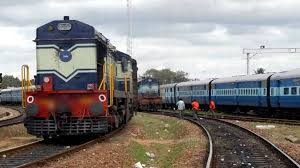
Danapur to Bengaluru Special Trains Announced to Ease Festive Rush
The railway authorities have announced the operation of four special trains between Danapur in Bihar and Bengaluru in Karnataka. The initiative, spanning from the start of the festive season in late August to the end of December, is designed to provide much-needed relief to thousands of students, professionals, and families who frequently travel between these two economic hubs. This proactive step underscores a commitment to providing equitable and reliable public transport, especially during periods of high demand.
The decision to introduce these special services is a direct response to the persistent challenge of ticket scarcity and overcrowding that plagues popular routes during festivals. By augmenting the existing fleet, the railways are not only alleviating passenger discomfort but also ensuring that citizens have a viable and affordable alternative to other modes of transport. This addresses a critical component of social equity, guaranteeing that individuals from diverse economic backgrounds can travel to their hometowns without financial strain.
From a sustainability standpoint, the emphasis on rail travel is a significant step towards creating more eco-friendly urban and regional networks. As a core component of the country’s public transport system, the Indian Railways operates on an increasingly electrified network, which produces a lower carbon footprint per passenger-kilometre compared to individual vehicle or air travel. Promoting these special services encourages a shift away from less sustainable travel options, contributing to the broader goal of building zero net carbon cities. This forward-thinking approach views infrastructure not just as a means of transport but as a tool for environmental stewardship and sustainable development.
According to a government spokesperson, the two pairs of special trains will operate with specific schedules to cater to the passenger flow. The first bi-weekly service will commence on a specific date in late August, and a second weekly service will follow in early September, both running until the end of the year. This long-term commitment signals that the railway authority is not just reacting to a temporary problem but is implementing a systematic solution for a recurring travel challenge.
Ultimately, these special train services are more than a logistical fix; they are a vital piece of public infrastructure that serves the larger societal interest. By ensuring accessible, affordable, and sustainable travel options, the railways are enabling social mobility and family connections while simultaneously contributing to the nation’s environmental objectives. This balanced approach to development and public service is key to building a resilient and equitable society.