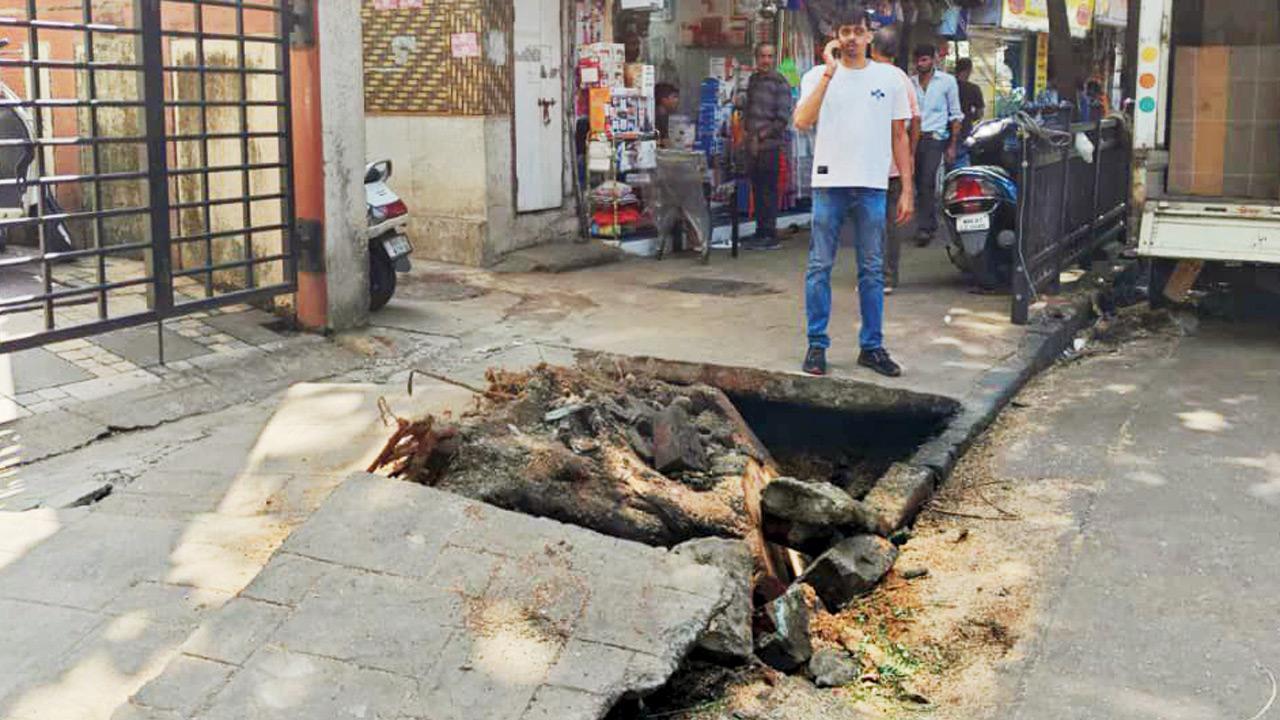
Brihanmumbai Municipal Corporation (BMC) has launched a comprehensive footpath repair and upgradation programme across Dadar’s busiest streets. The initiative, driven by growing concerns over pedestrian safety, aims to restore walkability and accessibility in one of Mumbai’s most heavily used urban corridors.
The project, planned at the ward level under the G North division, will focus on three key stretches — NC Kelkar Road, Bhavani Shankar Road, and Gokhale Road. These high-footfall routes connect residential blocks, commercial markets, and transport hubs, including the Dadar Metro station on the Aqua Line. According to civic officials, these areas saw the worst damage during the recent monsoon due to waterlogging, tree collapses, and drainage issues. “After the monsoon, several stretches developed deep cracks, loose tiles, and uneven surfaces that made walking unsafe, particularly for senior citizens and schoolchildren,” said a civic engineer involved in the project. Temporary patchwork was carried out during the rains to reduce risk, but full-scale reconstruction is now underway using M25 and M40 grade concrete to improve durability.
Unlike roads, footpath restoration is not covered under the defect liability clause of BMC’s road contracts, which has made such projects reliant on separate post-monsoon funding allocations. Officials confirmed that these repairs have been classified as priority works under the civic body’s annual infrastructure maintenance plan. The upgrades will also include improved drainage, water-resistant tiles, and anti-skid materials to prevent future seepage and surface erosion. Urban planning experts have welcomed the initiative, noting that pedestrian infrastructure remains among Mumbai’s most neglected civic components despite being crucial to the city’s mobility network. “A resilient and well-maintained footpath network is essential for sustainable mobility. It encourages walking, reduces dependence on vehicles, and supports equitable urban access,” said an urban transport expert.
Citizen welfare groups have also called for design improvements in future footpath projects, including universal accessibility for people with disabilities, tactile paving for the visually impaired, and better integration with bus and metro stops. “Every footpath repair should not just replace damaged tiles but rethink how streets serve all kinds of pedestrians,” said an urban development advocate. As Mumbai works towards its goal of becoming a more liveable and climate-resilient metropolis, projects like Dadar’s footpath repair programme highlight a growing civic awareness of the importance of small-scale but high-impact urban interventions. In a city where over half of daily trips involve walking, durable and inclusive footpaths are a step towards safer, greener, and more sustainable streets.
Dadars Walking Woes Addressed in Priority Repair Drive