


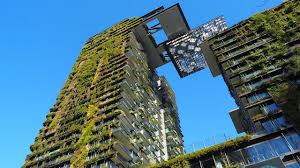
India’s real estate industry is attempting to broaden its environmental footprint beyond construction as the national developers’ body outlines a long-term reforestation programme spanning multiple states. The initiative, announced this month, aims to restore large tracts of degraded land over the next five years, marking one of the sector’s most ambitious nature-linked interventions to date.
The plan proposes ecological restoration across nearly one lakh acres nationwide, to be executed through the industry body’s CSR platform and regional chapters. The programme will be phased, beginning with several thousand acres in the first year, and gradually scaling across regions that face soil degradation, water stress and biodiversity loss. A significant share of the early effort is expected to be concentrated in western India, particularly in districts with fragile forest ecosystems and long histories of land-use pressure. Industry officials say the strategy prioritises native vegetation to ensure ecological compatibility and higher survival rates. A majority of saplings planned under the programme are local species suited to regional rainfall and soil conditions, while a smaller share includes medicinal and herbal plants that may offer supplementary income opportunities for nearby communities over time. Environmental planners note that such diversification improves forest resilience while linking restoration efforts with rural livelihoods.
The initiative builds on pilot reforestation work carried out over the past year in parts of Maharashtra, where degraded forest land has been rehabilitated using a mix of plantation, soil treatment and water-retention measures. These earlier projects incorporated trenching, mulching and rainwater harvesting to improve moisture retention, alongside structured monitoring to track sapling survival. According to experts familiar with the programme, sustained oversight over multiple years is critical to ensure that plantations mature into self-supporting forest cover rather than short-term green belts. Urban policy specialists view the move as a response to growing scrutiny of real estate’s environmental impact, particularly as cities expand into peri-urban and ecologically sensitive zones. “Developers are increasingly aware that climate resilience is not limited to building design but extends to how land and water systems are managed beyond project boundaries,” said an environmental planning expert. Beyond Maharashtra, regional chapters in northern and central India are expected to identify restoration sites in consultation with local administrations. The rollout will depend on coordination with district authorities, forest departments and village institutions, reflecting a shift towards community-linked environmental management rather than isolated corporate interventions. While reforestation alone cannot offset the carbon footprint of rapid urbanisation, analysts say such programmes can play a meaningful role when combined with low-carbon construction practices, efficient land use and infrastructure planning. As India’s cities continue to grow, initiatives that integrate ecological restoration with development may help soften the environmental costs of expansion.
The effectiveness of this large-scale reforestation effort will ultimately rest on long-term stewardship, transparency and measurable outcomes factors that will determine whether it becomes a template for responsible urban growth or remains a parallel CSR exercise alongside business-as-usual development.
Also Read: Mumbai Region Real Estate Sees Construction And Luxury Surge
CREDAI Green Drive Expands Beyond Construction Sites
