


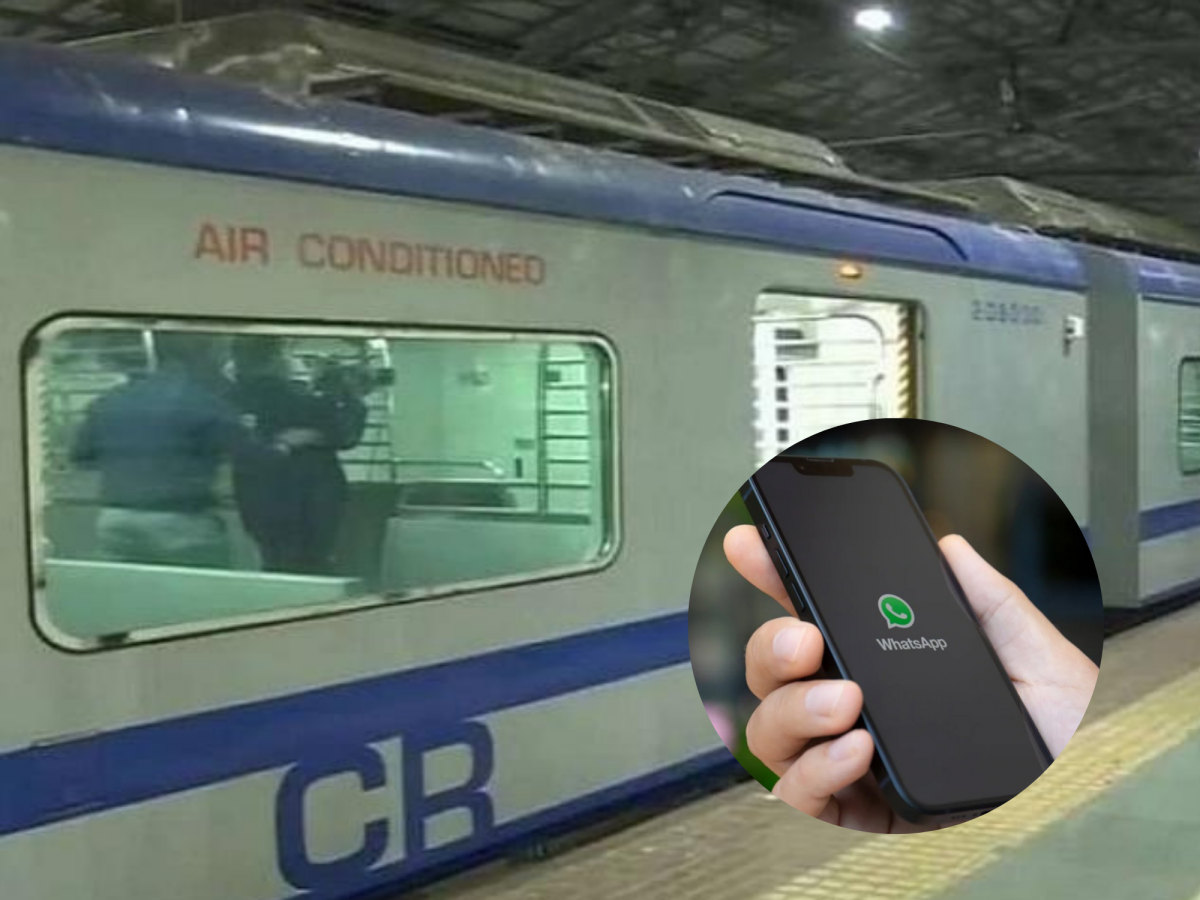
Central Railway (CR) has acted on more than 11,000 complaints related to its air-conditioned suburban trains in just over a month. This remarkable enforcement effort, driven by a dedicated WhatsApp helpline and a specialised task force, has significantly curbed irregular travel and improved passenger discipline across Mumbai’s AC local train network.
The initiative was launched on May 25, 2024, with the formation of the AC Class Task Force and the rollout of a dedicated WhatsApp number to register complaints regarding ticketless travel, unattended baggage, extreme temperatures, and gaps in ticket verification. In just five weeks, CR processed 11,134 complaints — all addressed within 48 hours. This swift response has led to a measurable drop in daily complaint volumes, falling from a peak of 228 to just 103 by June 2025, with the average now reduced to 29 per day. Officials said that real-time monitoring and responsive deployment of ticket-checking squads have led to the detection of nearly 1.22 lakh unauthorised commuters in AC coaches, resulting in penalty recoveries amounting to ₹4.01 crore. On average, CR apprehended 365 ticketless travellers daily, collecting over ₹1.19 lakh in fines each day. The revenue from penalties is being seen not just as a financial gain but as a deterrent against misuse of services intended for fare-paying passengers.
The Mumbai suburban system under CR operates 1,810 train services each day, including 80 AC locals catering to approximately 78,000 commuters. While the AC trains were introduced to offer greater comfort, commuters often raised concerns about unchecked access by non-ticketed passengers and insufficient supervision. The WhatsApp number, operational 24/7, has empowered commuters to take ownership of the service by promptly reporting violations. “This platform has enabled us to act with precision and accountability,” an official said. If a complaint is received while a task force unit is active in the concerned section, immediate action is taken; otherwise, it is addressed the next day.
Importantly, the move aligns with broader urban mobility goals — enhancing quality public transport, improving commuter experience, and ensuring fare equity. With the initiative now showing tangible success, officials plan to continue leveraging digital feedback loops and citizen collaboration to maintain service standards. The proactive crackdown not only reinforces fare discipline but also highlights the growing role of tech-enabled governance in India’s urban rail networks. As suburban Mumbai continues to grapple with rising commuter loads, CR’s strategy provides a blueprint for combining technology, civic participation, and enforcement to enhance public service efficiency.
Also Read : Indias Residential Power Use Surges 10 Percent Annually Amid Heatwaves Urbanization
