


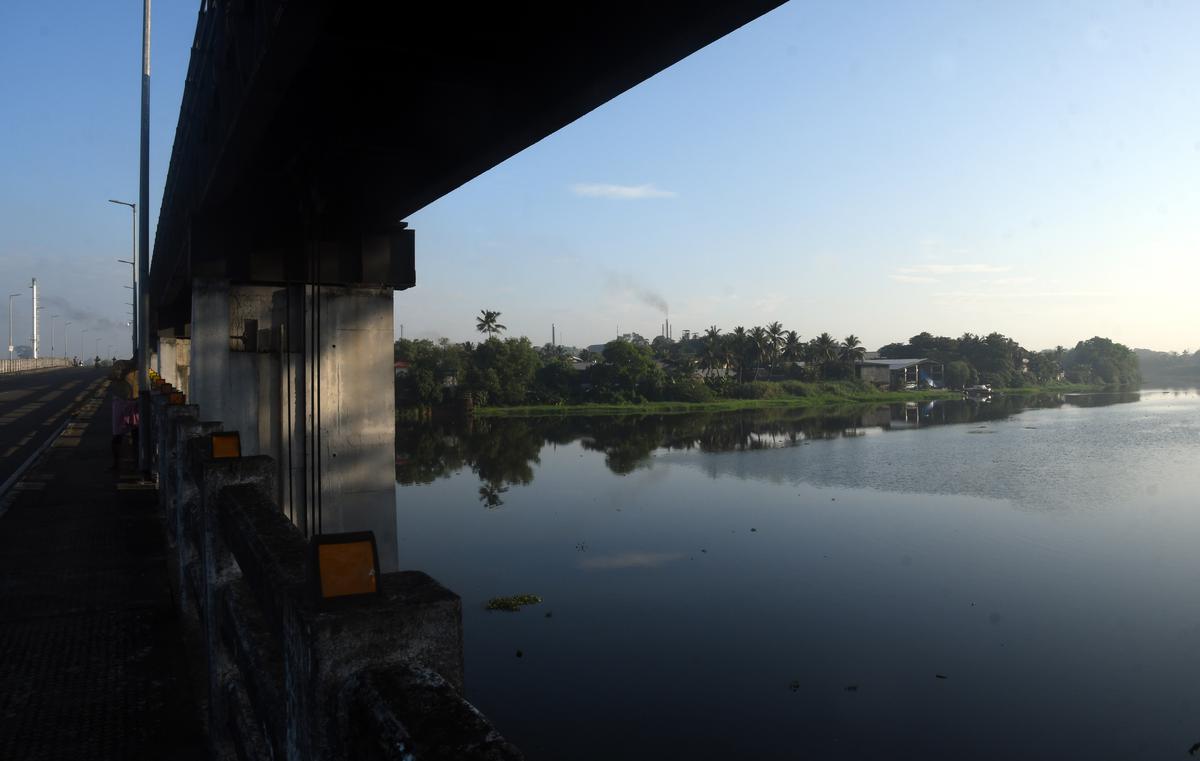
CPCB Pushes for Urgent Pollution Control in Periyar, Proposes CETP for Eloor Industries
The Central Pollution Control Board (CPCB) has recommended the establishment of a common effluent treatment plant (CETP) to manage industrial waste from small- and medium-scale enterprises in the Eloor-Edayar industrial belt, a key industrial cluster in Kerala. This recommendation comes amid mounting concerns over the deteriorating water quality of the Periyar River, which has been severely impacted by unchecked industrial discharges. A report submitted to the National Green Tribunal (NGT) on January 9, 2025, underscores the urgent need for a structured waste management system in the region. With 67 out of the 75 effluent-generating industries classified as small- and medium-scale, an estimated 0.37 million litres of industrial wastewater is produced daily. Despite treatment efforts, these effluents are reportedly being discharged into soak pits for irrigation, raising serious environmental and public health concerns. The CPCB report has urged state authorities to take immediate action, recognising that pollution control should not be left solely to industrial players but must be driven by robust governmental intervention.
The industrial belt in Eloor-Edayar has long been a subject of environmental scrutiny, with multiple reports highlighting severe ecological damage caused by industrial pollution. The May 2024 mass fish kill in the Periyar River further intensified debates over the region’s industrial waste management. While some larger industrial units have expressed interest in participating in the proposed CETP, small and medium-sized enterprises have resisted due to financial constraints. A report by the Ernakulam District Industries Centre previously noted that these industries might struggle to bear the costs of a CETP, which requires significant funding. Comparisons with other industrial zones like Vapi in Gujarat and Ankleshwar in Maharashtra, which have implemented successful CETPs, reveal a stark contrast in industrial waste management strategies. The absence of a centralised treatment facility in Eloor-Edayar has placed an additional burden on local waste disposal mechanisms, leading to prolonged environmental degradation.
From a sustainability perspective, the CPCB’s push for a CETP is a crucial step towards preserving Kerala’s fragile river ecosystems. With Periyar serving as a lifeline for millions, its pollution not only endangers aquatic life but also affects drinking water sources and agriculture. Sustainable industrial growth demands stringent compliance with pollution control norms, and CETPs have been successfully adopted in multiple states to mitigate the environmental impact of industrial effluents. Investing in advanced waste treatment solutions, enforcing stricter regulations, and encouraging industries to adopt cleaner production methods are critical measures to ensure long-term environmental sustainability. Financial models such as public-private partnerships (PPPs) and government-backed incentives could make CETPs more viable for small-scale industries, ensuring collective responsibility in pollution control.
The CPCB report has also emphasised the need for greater accountability and regulatory oversight. It has called for regular state-level reviews of pollution control measures in line with the Central Monitoring Committee, chaired by the Ministry of Jal Shakti. Civic bodies and environmental activists argue that merely proposing solutions is insufficient—what is required is immediate implementation and strict enforcement. As industries continue to expand in Kerala, urban planners stress the importance of integrating environmental safeguards into the state’s industrial policies. The establishment of a CETP in Eloor-Edayar would mark a pivotal moment in Kerala’s environmental governance, setting a precedent for sustainable industrialisation. The state government’s response to the CPCB’s recommendations will be a decisive factor in determining whether Periyar’s pollution crisis is finally addressed with long-term solutions.
