


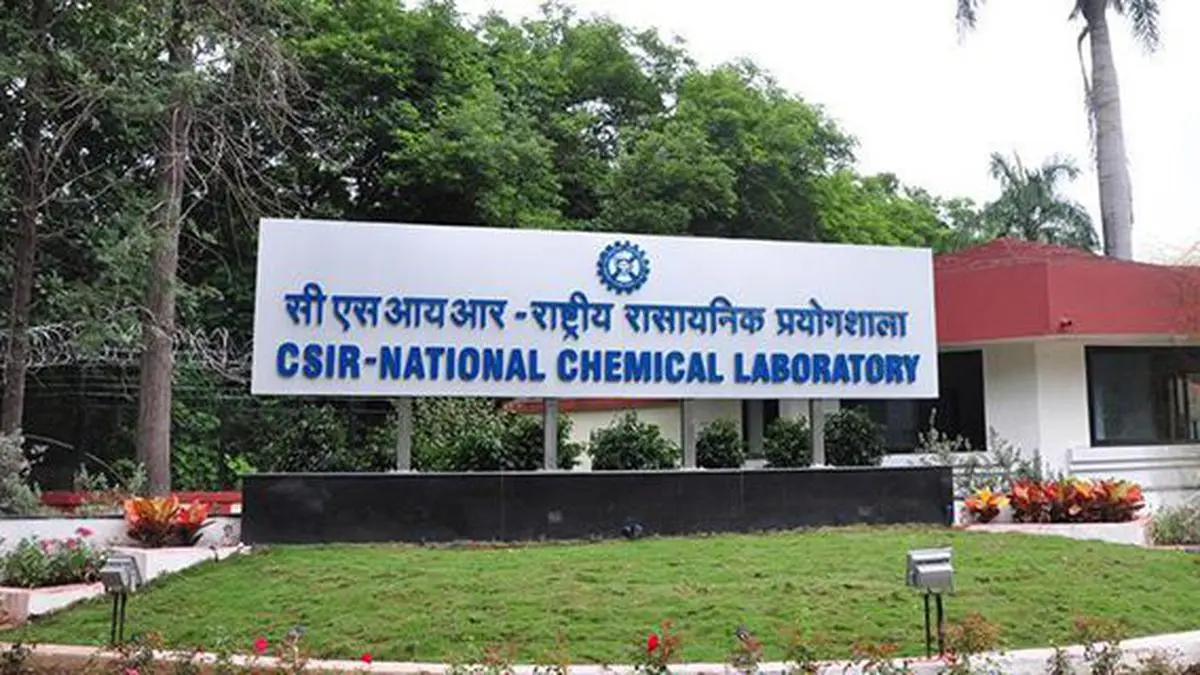
Covestro (India) Private Limited and the CSIR-National Chemical Laboratory (NCL) have forged a strategic partnership to develop advanced solutions for upcycling polyurethane waste, a notoriously challenging material to recycle. This collaborative initiative, launched under Covestro’s Corporate Social Responsibility efforts, aims to pioneer scalable chemical recycling techniques, fostering a circular economy and significantly reducing environmental strain, crucial for India’s journey towards zero net carbon, eco-friendly urban landscapes.
Polyurethanes are ubiquitous, found in everything from automotive parts and furniture to insulation and electronics. However, their complex cross-linked polymeric structure makes them exceedingly difficult to repurpose using conventional recycling methods, leading to the vast majority of this waste ending up in landfills. Current approaches, such as mechanical grinding, often result in quality degradation or the creation of harmful byproducts, highlighting a critical gap in sustainable waste management that this new collaboration seeks to bridge.
The joint project will delve into cutting-edge strategies for breaking down these resilient polyurethane materials. By investigating both traditional and electrochemical upcycling techniques, the partnership aims to overcome existing limitations, devising cleaner and more efficient ways to recover valuable chemical components from used materials. This scientific endeavour is poised to set a new standard for polyurethane waste management, not only within India but potentially on a global scale, contributing to resource optimisation and pollution reduction.
This collaboration brings together complementary strengths: NCL contributes over 70 years of research excellence and deep scientific knowledge in developing environmentally responsible chemical solutions and new processing methods. Covestro, a global leader in advanced polymer materials, provides the essential industrial scale and application experience, ensuring that the developed technologies are viable for widespread adoption. Their combined expertise is fundamental to delivering real progress in sustainable plastic use and reducing dependence on fossil-based inputs.
The initiative aligns seamlessly with the broader global push for more circular systems to handle complex waste streams, directly contributing to the vision of sustainable and equitable cities. By transforming waste into a valuable resource, it reduces landfill burden, mitigates environmental pollution, and can potentially create new green jobs within the recycling and chemical sectors. This proactive step by industry and academia is crucial for building urban environments that are not only economically vibrant but also environmentally resilient and inclusive for all citizens, ensuring a healthier and more sustainable future.
Also Read: Maharashtra rejects Praja Foundations BMC report orders full inquiry
